Data may be outdated
Last updated: 9 months ago — Click refresh to get the latest statistics.
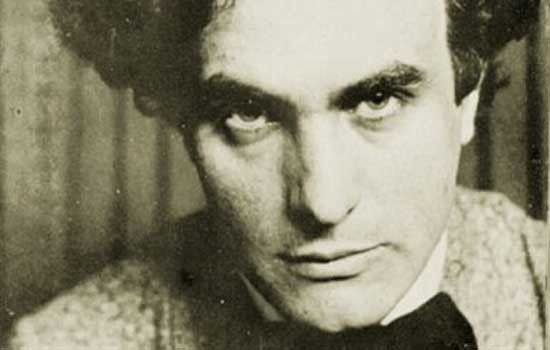
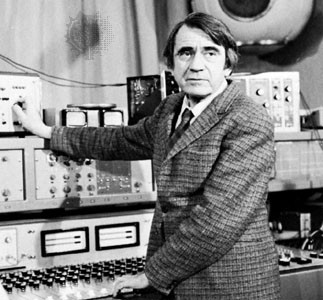
Pierre Schaeffer, influential both as a composer and theorist, was the first to organize pre-recorded sounds into musical compositions -- which he termed musique concrète -- thereby anticipating by decades the technique of sampling that has become commonplace in popular music.
Although his parents were musicians, Schaeffer initially looked to an engineering career. Trained at the Ecole Polytechnique, by 1934 he was a telecommunications engineer in Strasbourg and two years later was employed by the French radio. But he became disillusioned and turned to writing novels and philosophical essays. In 1940, his ideas on how communities interact led him to start Jeune France, which worked in the areas of music and theater. And in 1941, he founded the Studio d'Essai, which became both a center of musical experimentation and a focal point of the French resistance during World War II. Schaeffer's research led him to the concept of "sound objects," encompassing all kinds of sounds (musical and otherwise) that are classified based on their various attributes. In musique concrète, such sound objects were altered and combined to create a musical composition. Schaeffer started experimenting with turntables and recorded sound effects at the Studio d'Essai and his first work, 1948's Étude aux chemins de fer, was assembled from recorded train sounds. In 1949, he met <a href="spotify:artist:5ITPNl5P6R6cFbw4DAcMAY">Pierre Henry</a> and began a decade-long collaboration that resulted in pieces like the 20-minute Symphonie pour un homme seul (1950), which employs both human (breathing, whistling, etc.) and non-human (e.g. footsteps) sounds as musical materials. By 1951, Schaeffer and <a href="spotify:artist:5ITPNl5P6R6cFbw4DAcMAY">Henry</a>'s Group de Recherche de Musique Concrète (G.R.M.C.) had official governmental recognition. The two used their well-equipped new studios to create the first opera concrète: Orphee (1951). Musicians such as <a href="spotify:artist:2prZJWfQMnIgwUKxKcBxH7">Pierre Boulez</a> and <a href="spotify:artist:5PkKmEWhfJ9jHVHXbZl0Ks">Karlheinz Stockhausen</a> also worked there. In 1953, <a href="spotify:artist:5ITPNl5P6R6cFbw4DAcMAY">Henry</a> took over the G.R.M.C. as Schaeffer founded the Radiodiffusion de la France d'Outre-mer (French Overseas Broadcasting). Five years later, Schaeffer returned to the G.R.M.C., reorganizing it as the Groupe de Recherches Musicales (G.R.M.). But by then, Schaeffer and others associated with G.R.M. had begun to recognize the limitations of their techniques; in later years, Schaeffer even referred to himself as the "unfortunate inventor" of musique concrète. With 1959's Études aux Objets, he gave up composing.
In 1960, the Service de Recherche de la RTF was established and Schaeffer was its director until 1975. He also turned increasingly to writing. His Traité des objets musicaux (1966) became very influential and novels like Le Gardien de volcan (1969) and Prelude, Chorale et Fugue (1983) were well-received. From 1968 - 1980, he taught electro-acoustic music at the Paris Conservatoire while continuing his research at the Institut National de l'Audiovisuel, which he founded in 1974. In 1975, he briefly returned to composition with Le trièdre fertile (co-created with Bernard Durr). By the 1980s, he was an honored figure, receiving degrees and acknowledgements from Brazil to Israel. In his last years, he set up the Centre d'Etudes et de Recherche Pierre Schaeffer to continue and maintain an archive of his work.
Although his parents were musicians, Schaeffer initially looked to an engineering career. Trained at the Ecole Polytechnique, by 1934 he was a telecommunications engineer in Strasbourg and two years later was employed by the French radio. But he became disillusioned and turned to writing novels and philosophical essays. In 1940, his ideas on how communities interact led him to start Jeune France, which worked in the areas of music and theater. And in 1941, he founded the Studio d'Essai, which became both a center of musical experimentation and a focal point of the French resistance during World War II. Schaeffer's research led him to the concept of "sound objects," encompassing all kinds of sounds (musical and otherwise) that are classified based on their various attributes. In musique concrète, such sound objects were altered and combined to create a musical composition. Schaeffer started experimenting with turntables and recorded sound effects at the Studio d'Essai and his first work, 1948's Étude aux chemins de fer, was assembled from recorded train sounds. In 1949, he met <a href="spotify:artist:5ITPNl5P6R6cFbw4DAcMAY">Pierre Henry</a> and began a decade-long collaboration that resulted in pieces like the 20-minute Symphonie pour un homme seul (1950), which employs both human (breathing, whistling, etc.) and non-human (e.g. footsteps) sounds as musical materials. By 1951, Schaeffer and <a href="spotify:artist:5ITPNl5P6R6cFbw4DAcMAY">Henry</a>'s Group de Recherche de Musique Concrète (G.R.M.C.) had official governmental recognition. The two used their well-equipped new studios to create the first opera concrète: Orphee (1951). Musicians such as <a href="spotify:artist:2prZJWfQMnIgwUKxKcBxH7">Pierre Boulez</a> and <a href="spotify:artist:5PkKmEWhfJ9jHVHXbZl0Ks">Karlheinz Stockhausen</a> also worked there. In 1953, <a href="spotify:artist:5ITPNl5P6R6cFbw4DAcMAY">Henry</a> took over the G.R.M.C. as Schaeffer founded the Radiodiffusion de la France d'Outre-mer (French Overseas Broadcasting). Five years later, Schaeffer returned to the G.R.M.C., reorganizing it as the Groupe de Recherches Musicales (G.R.M.). But by then, Schaeffer and others associated with G.R.M. had begun to recognize the limitations of their techniques; in later years, Schaeffer even referred to himself as the "unfortunate inventor" of musique concrète. With 1959's Études aux Objets, he gave up composing.
In 1960, the Service de Recherche de la RTF was established and Schaeffer was its director until 1975. He also turned increasingly to writing. His Traité des objets musicaux (1966) became very influential and novels like Le Gardien de volcan (1969) and Prelude, Chorale et Fugue (1983) were well-received. From 1968 - 1980, he taught electro-acoustic music at the Paris Conservatoire while continuing his research at the Institut National de l'Audiovisuel, which he founded in 1974. In 1975, he briefly returned to composition with Le trièdre fertile (co-created with Bernard Durr). By the 1980s, he was an honored figure, receiving degrees and acknowledgements from Brazil to Israel. In his last years, he set up the Centre d'Etudes et de Recherche Pierre Schaeffer to continue and maintain an archive of his work.
Monthly Listeners
2,892
Monthly Listeners History
Track the evolution of monthly listeners over the last 28 days.
Followers
17,343
Followers History
Track the evolution of followers over the last 28 days.
Top Cities



Related Artists

Vladimir Ussachevsky
Morton Subotnick
Walter Prati

Takehisa Kosugi

Walter Marchetti


David Tudor

Jean-Claude Risset
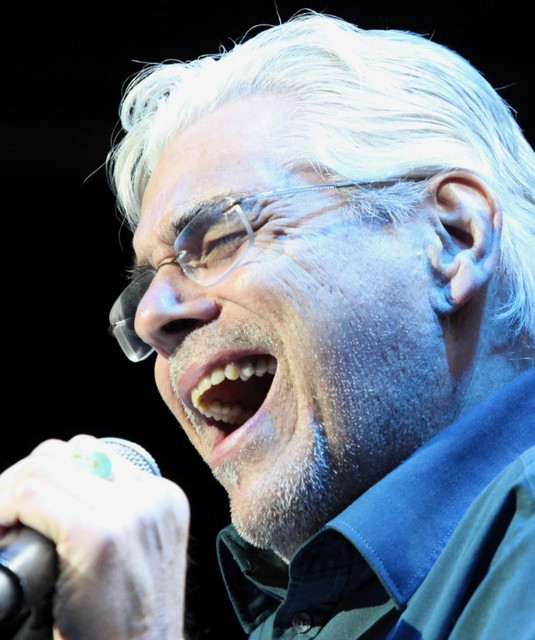
David Moss
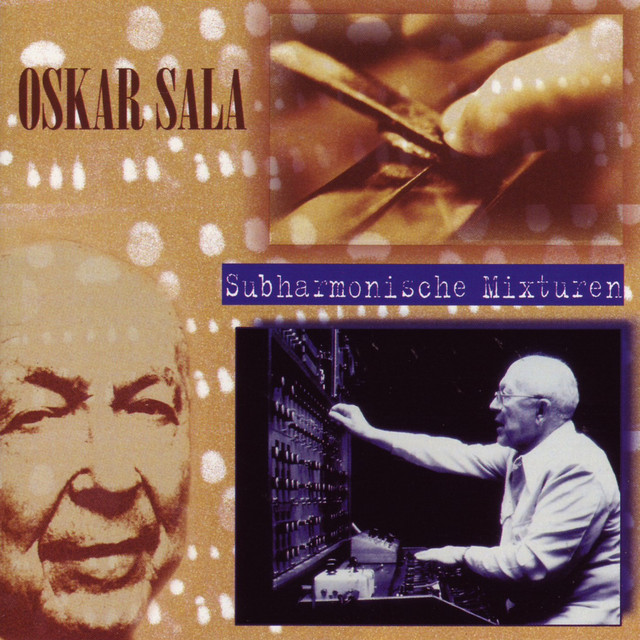
Oskar Sala

Michael Ranta
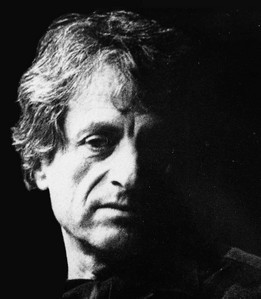

Francis Dhomont
The Manhattan Percussion Ensemble
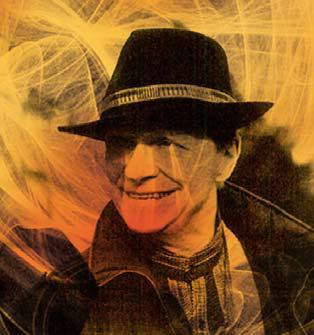
Henri Pousseur
Mario Mariotti


Pietro Grossi
Fausto Romitelli
Gottfried Michael Koenig