Data may be outdated
Last updated: 8 months ago — Click refresh to get the latest statistics.
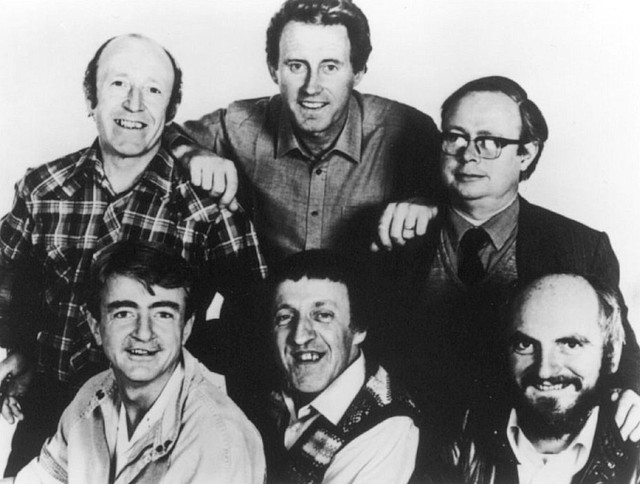
Along with groups like <a href="spotify:artist:37fTum13aTdEbeGGLMUhXz">the Bothy Band</a>, Planxty helped to usher in a new era for modern Celtic music. While their sound remained rooted to traditional music, the band's virtuosic musicianship and high-energy delivery reflected modern influences, while their unique vocal harmonies and instrumental counterpoint were unprecedented in Irish music.
The founding members of Planxty -- <a href="spotify:artist:3Ebn7mKYzD0L3DaUB1gNJZ">Christy Moore</a>, <a href="spotify:artist:0woo27tBjj7xCWTRTKOPCh">Dónal Lunny</a>, <a href="spotify:artist:4s6E60p3b1gpo5M2zsysbR">Liam O'Flynn</a>, and <a href="spotify:artist:1nVYeUhlYzmXf0Dl9yk8P2">Andy Irvine</a> -- initially came together to provide instrumental accompaniment for Irish singer/songwriter <a href="spotify:artist:3Ebn7mKYzD0L3DaUB1gNJZ">Christy Moore</a>'s 1972 album, Prosperous. The sessions proved so inspiring that the musicians agreed to continue working together. With the release of their debut single, "Cliffs of Dooneen," the new band attracted international attention. An equally memorable, self-titled album, affectionately known as the "Black Album," followed shortly afterwards.
Despite its success, Planxty was plagued by a series of personnel changes. Following the release of the band's second album, The Well Below the Valley, <a href="spotify:artist:0woo27tBjj7xCWTRTKOPCh">Lunny</a> departed for <a href="spotify:artist:37fTum13aTdEbeGGLMUhXz">the Bothy Band</a> and was replaced by <a href="spotify:artist:145goCz3lSqjpGp6vaCz7d">Johnny Moynihan</a>, who had previously played with <a href="spotify:artist:1nVYeUhlYzmXf0Dl9yk8P2">Irvine</a> in <a href="spotify:artist:61s1V3fDwlwWgRIkgdPavv">Sweeney's Men</a>. <a href="spotify:artist:3Ebn7mKYzD0L3DaUB1gNJZ">Moore</a> followed after the release of the band's third album, Cold Blow and the Rainy Night to resume his solo career, and was replaced by singer/songwriter <a href="spotify:artist:7lauB9o5ZYmU5lTBOw7w8L">Paul Brady</a>. The loss of <a href="spotify:artist:3Ebn7mKYzD0L3DaUB1gNJZ">Moore</a> and <a href="spotify:artist:0woo27tBjj7xCWTRTKOPCh">Lunny</a> was devastating and, shortly after releasing their fifth album, The Woman I Loved So Well, Planxty disbanded in 1981.
The seeds for Planxty's resurrection were planted in late 1983. In addition to the original members, the re-formed group featured ex-<a href="spotify:artist:37fTum13aTdEbeGGLMUhXz">Bothy Band</a> and future <a href="spotify:artist:6AnrSlk5Gp1YMXgaI3mWCL">Chieftains</a> flute player <a href="spotify:artist:6VkQhuElcM8DuGQmBmyx8m">Matt Molloy</a> and keyboardist and future Riverdance producer <a href="spotify:artist:7I45cJlgpJa5SLVWqocmjb">Bill Whelan</a>. Fiddlers <a href="spotify:artist:3Ywy6YGQlzXq7sq9Z3A4Xb">James Kelly</a> and Noelle Casey were added for the first album by the reunited group, Words & Music. The renewed energy petered out quickly. By 1983, <a href="spotify:artist:0woo27tBjj7xCWTRTKOPCh">Lunny</a> and <a href="spotify:artist:3Ebn7mKYzD0L3DaUB1gNJZ">Moore</a> had gone off to form a more electric trad-rock group, <a href="spotify:artist:6fRDxctD38zU8NezZxIwqw">Moving Hearts</a>. ~ Craig Harris, Rovi
The founding members of Planxty -- <a href="spotify:artist:3Ebn7mKYzD0L3DaUB1gNJZ">Christy Moore</a>, <a href="spotify:artist:0woo27tBjj7xCWTRTKOPCh">Dónal Lunny</a>, <a href="spotify:artist:4s6E60p3b1gpo5M2zsysbR">Liam O'Flynn</a>, and <a href="spotify:artist:1nVYeUhlYzmXf0Dl9yk8P2">Andy Irvine</a> -- initially came together to provide instrumental accompaniment for Irish singer/songwriter <a href="spotify:artist:3Ebn7mKYzD0L3DaUB1gNJZ">Christy Moore</a>'s 1972 album, Prosperous. The sessions proved so inspiring that the musicians agreed to continue working together. With the release of their debut single, "Cliffs of Dooneen," the new band attracted international attention. An equally memorable, self-titled album, affectionately known as the "Black Album," followed shortly afterwards.
Despite its success, Planxty was plagued by a series of personnel changes. Following the release of the band's second album, The Well Below the Valley, <a href="spotify:artist:0woo27tBjj7xCWTRTKOPCh">Lunny</a> departed for <a href="spotify:artist:37fTum13aTdEbeGGLMUhXz">the Bothy Band</a> and was replaced by <a href="spotify:artist:145goCz3lSqjpGp6vaCz7d">Johnny Moynihan</a>, who had previously played with <a href="spotify:artist:1nVYeUhlYzmXf0Dl9yk8P2">Irvine</a> in <a href="spotify:artist:61s1V3fDwlwWgRIkgdPavv">Sweeney's Men</a>. <a href="spotify:artist:3Ebn7mKYzD0L3DaUB1gNJZ">Moore</a> followed after the release of the band's third album, Cold Blow and the Rainy Night to resume his solo career, and was replaced by singer/songwriter <a href="spotify:artist:7lauB9o5ZYmU5lTBOw7w8L">Paul Brady</a>. The loss of <a href="spotify:artist:3Ebn7mKYzD0L3DaUB1gNJZ">Moore</a> and <a href="spotify:artist:0woo27tBjj7xCWTRTKOPCh">Lunny</a> was devastating and, shortly after releasing their fifth album, The Woman I Loved So Well, Planxty disbanded in 1981.
The seeds for Planxty's resurrection were planted in late 1983. In addition to the original members, the re-formed group featured ex-<a href="spotify:artist:37fTum13aTdEbeGGLMUhXz">Bothy Band</a> and future <a href="spotify:artist:6AnrSlk5Gp1YMXgaI3mWCL">Chieftains</a> flute player <a href="spotify:artist:6VkQhuElcM8DuGQmBmyx8m">Matt Molloy</a> and keyboardist and future Riverdance producer <a href="spotify:artist:7I45cJlgpJa5SLVWqocmjb">Bill Whelan</a>. Fiddlers <a href="spotify:artist:3Ywy6YGQlzXq7sq9Z3A4Xb">James Kelly</a> and Noelle Casey were added for the first album by the reunited group, Words & Music. The renewed energy petered out quickly. By 1983, <a href="spotify:artist:0woo27tBjj7xCWTRTKOPCh">Lunny</a> and <a href="spotify:artist:3Ebn7mKYzD0L3DaUB1gNJZ">Moore</a> had gone off to form a more electric trad-rock group, <a href="spotify:artist:6fRDxctD38zU8NezZxIwqw">Moving Hearts</a>. ~ Craig Harris, Rovi
Monthly Listeners
99,001
Monthly Listeners History
Track the evolution of monthly listeners over the last 28 days.
Followers
53,129
Followers History
Track the evolution of followers over the last 28 days.
Top Cities



Related Artists
Arcady
John Faulkner

Archie Fisher
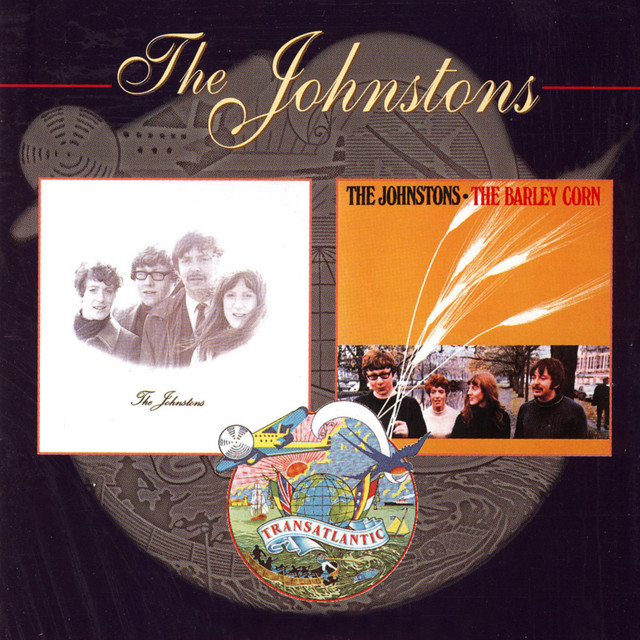
The Johnstons



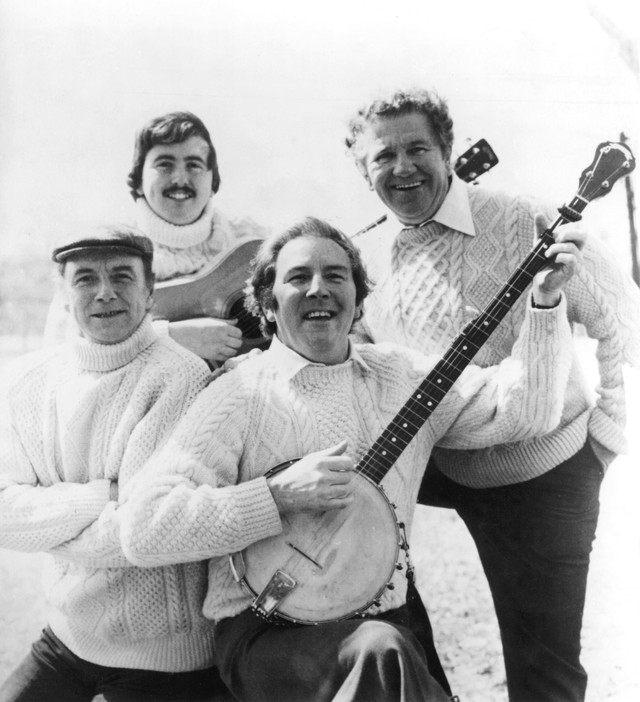
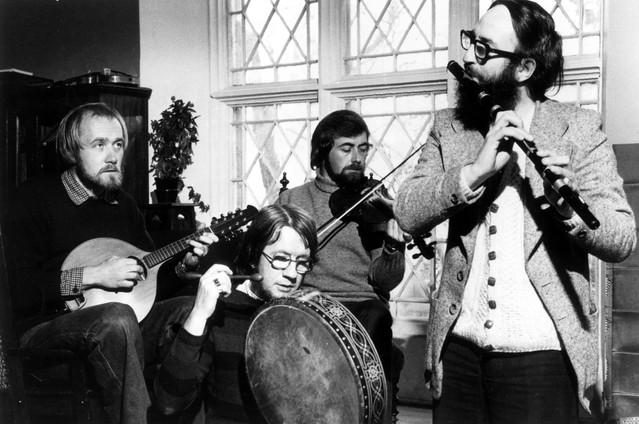
Boys Of The Lough
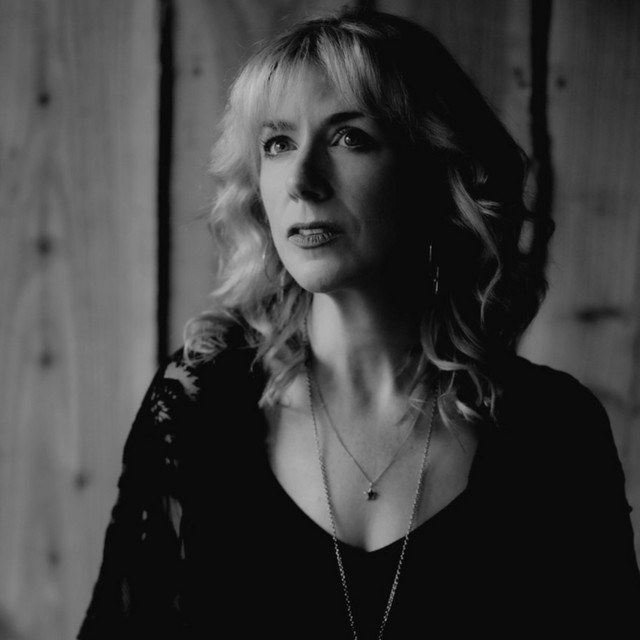
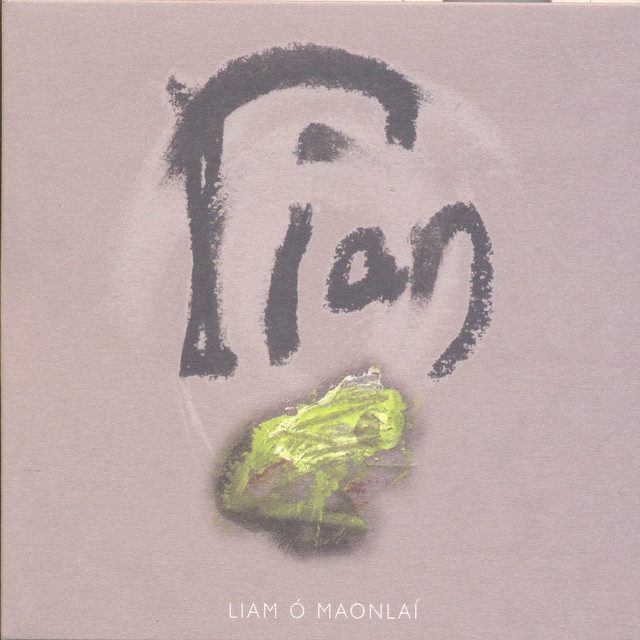
Liam O' Maonlai
Sweeney's Men
Eddie Furey