Genre
celtic
Top Celtic Artists
Showing 25 of 4,135 artists


About Celtic
Celtic music is the umbrella term for the traditional and contemporary folk repertoires of the Celtic-speaking nations: Ireland, Scotland, Brittany (France), Wales, Cornwall, the Isle of Man, and Galicia (Spain). Its roots lie in medieval Europe, with Irish and Scottish tunes appearing in early manuscripts and thriving within a rich oral tradition. Over centuries, dance music—reels, jigs, hornpipes—and laments shaped the sound, while regional instruments gave each tradition its distinctive color. The modern genre began to crystallize in the 19th and 20th centuries, in parallel with a broader revival of Celtic culture, language, and identity. Collectors and performers preserved tunes, but it was the postwar era that launched Celtic music onto international stages.
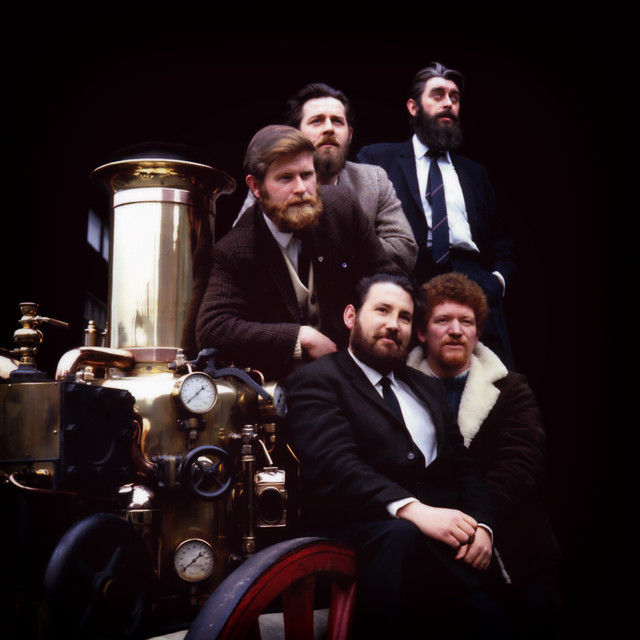
In Ireland and Scotland, the best-known ambassadors include The Chieftains, formed in 1962 by Paddy Moloney, who elevated traditional pieces with orchestral textures and frequent cross-cultural collaborations. Planxty (1972) and Clannad (1970) helped bring intimate, village-rooted motifs into contemporary contexts and new-age moods. In Scotland, Runrig (founded 1973) and Capercaillie (1980s) kept Gaelic song vibrant while broadening arrangements toward rock and modern textures. Across the Atlantic, Irish and Scottish communities carried the sound abroad, deepening the genre’s global reach and influencing generations of players and listeners.
Brittany’s contribution has been pivotal through figures such as Alan Stivell, a tireless ambassador who popularized the Breton harp, bombarde, and bagpipes in the 1970s and early 1980s, linking Breton tradition with wider world music audiences. Tri Yann and other Breton ensembles have brought robust stage energy and historical storytelling into modern concert settings. Galicia’s Celtic journey centers on players like Carlos Núñez, whose gaita-driven albums and high-profile collaborations helped fuse Galician tunes with Irish and Breton flavors. Welsh and Cornish scenes add their own melodic lines, sustaining a vibrant, interconnected Celtic tapestry across the Atlantic archipelago.
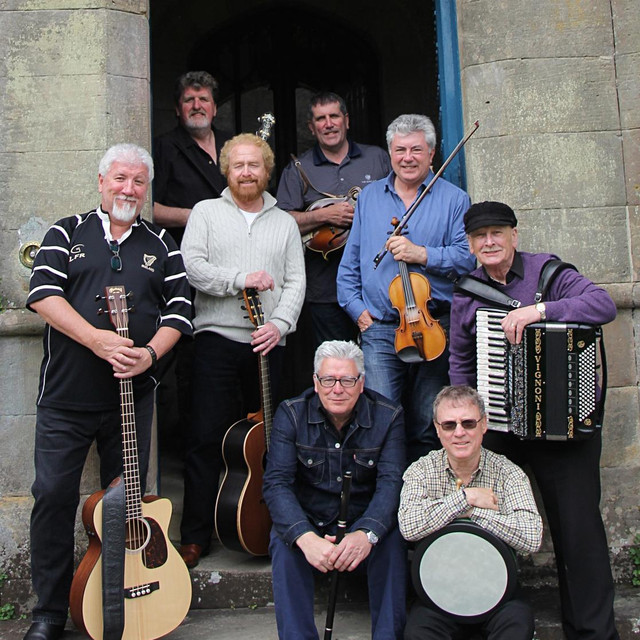
Musically, Celtic pieces favor modal melodies, intricate fiddle lines, and driving rhythms. Instruments span fiddle, flute, and tin whistle to bodhrán, uilleann pipes, and guitar; in Brittany, bombarde and biniou contribute piercing winds, while Galicia emphasizes the gaita and harp. The repertoire runs from sprightly reels and jigs to plaintive airs, often threaded with drones and lush harmonies. The mood ranges from intimate listening to high-energy dance grooves, perfectly suited to listening rooms, living rooms, and expansive festival stages alike.
Today, Celtic music remains especially popular in Ireland, Scotland, Brittany, Wales, Cornwall, and Galicia, with a devoted audience across Europe, North America, and beyond. Festivals such as Lorient’s Festival Interceltique and Glasgow’s Celtic Connections illuminate the cross-cultural kinship, while countless artists continue to reinterpret tradition for modern ears. For enthusiasts, the Celtic spectrum offers a compelling blend of historical depth, technical prowess, and living storytelling through sound.
In Ireland and Scotland, the best-known ambassadors include The Chieftains, formed in 1962 by Paddy Moloney, who elevated traditional pieces with orchestral textures and frequent cross-cultural collaborations. Planxty (1972) and Clannad (1970) helped bring intimate, village-rooted motifs into contemporary contexts and new-age moods. In Scotland, Runrig (founded 1973) and Capercaillie (1980s) kept Gaelic song vibrant while broadening arrangements toward rock and modern textures. Across the Atlantic, Irish and Scottish communities carried the sound abroad, deepening the genre’s global reach and influencing generations of players and listeners.
Brittany’s contribution has been pivotal through figures such as Alan Stivell, a tireless ambassador who popularized the Breton harp, bombarde, and bagpipes in the 1970s and early 1980s, linking Breton tradition with wider world music audiences. Tri Yann and other Breton ensembles have brought robust stage energy and historical storytelling into modern concert settings. Galicia’s Celtic journey centers on players like Carlos Núñez, whose gaita-driven albums and high-profile collaborations helped fuse Galician tunes with Irish and Breton flavors. Welsh and Cornish scenes add their own melodic lines, sustaining a vibrant, interconnected Celtic tapestry across the Atlantic archipelago.
Musically, Celtic pieces favor modal melodies, intricate fiddle lines, and driving rhythms. Instruments span fiddle, flute, and tin whistle to bodhrán, uilleann pipes, and guitar; in Brittany, bombarde and biniou contribute piercing winds, while Galicia emphasizes the gaita and harp. The repertoire runs from sprightly reels and jigs to plaintive airs, often threaded with drones and lush harmonies. The mood ranges from intimate listening to high-energy dance grooves, perfectly suited to listening rooms, living rooms, and expansive festival stages alike.
Today, Celtic music remains especially popular in Ireland, Scotland, Brittany, Wales, Cornwall, and Galicia, with a devoted audience across Europe, North America, and beyond. Festivals such as Lorient’s Festival Interceltique and Glasgow’s Celtic Connections illuminate the cross-cultural kinship, while countless artists continue to reinterpret tradition for modern ears. For enthusiasts, the Celtic spectrum offers a compelling blend of historical depth, technical prowess, and living storytelling through sound.