Data may be outdated
Last updated: 3 months ago — Click refresh to get the latest statistics.
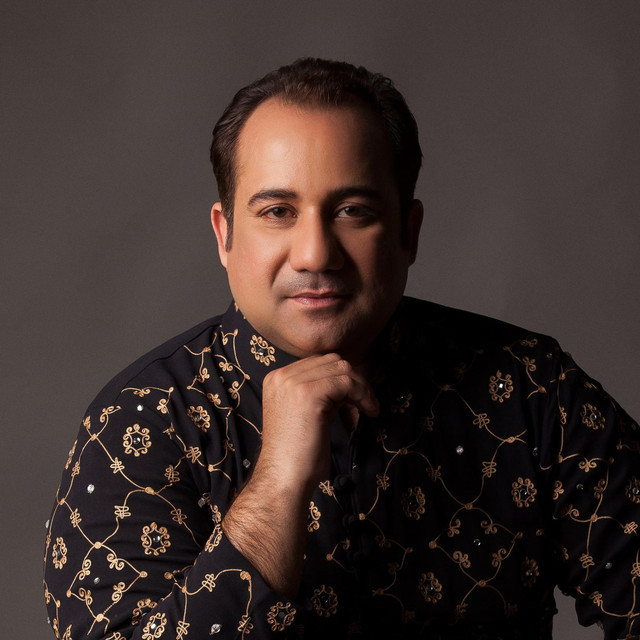
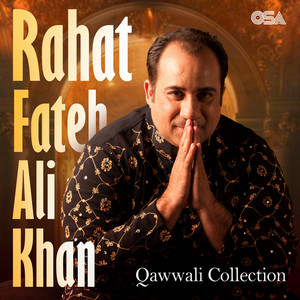
Born in Faisalabad, Pakistan, Rahat Nusrat Fateh Ali Khan was selected at birth by his uncle for tutoring in the art of qawwali music. A precocious child, Rahat was singing at the age of three with his uncle and his father Farroukh Fateh Ali Khan, another respected qawwali singer. Rahat began formalized training with his uncle at the age of six. By age 15, Rahat officially joined his uncle's celebrated group.
Since becoming the head of the group, Rahat Nusrat Fateh Ali Khan has performed on a variety of recordings and has sung with <a href="spotify:artist:0mXTJETA4XUa12MmmXxZJh">Eddie Vedder</a> at the Dead Man Walking Concert put on by <a href="spotify:artist:4OxQe55yuc7e5YgpOhgMsJ">Tim Robbins</a>. He and his band continue to entrance world audiences with numerous shows around the globe. Rahat Nusrat Fateh Ali Khan's self-titled release on American Recordings is his U.S. debut. Recorded in Santa Monica, CA, its four tracks are both emotionally charged and expertly performed. Producer <a href="spotify:artist:1EpmQFTiJbcxzwbLpuUL8L">Rick Rubin</a>, of Red Hot Chilli Peppers and <a href="spotify:artist:03r4iKL2g2442PT9n2UKsx">Beastie Boys</a> fame, boosts Rahat's already potent sounds by cranking up the low end and placing the tabla way up in the mix.
Though Rahat is excited to play with Western pop musicians and lay down tracks in state-of-the-art studios, he is ultimately most concerned with the art of qawwali and its mystically imbued message. As he states, "qawwali music is not only music, it is a message. It was created by Sufis, and when we compose and practice this music, it stays forever. Other music comes and goes, but qawwali never goes. Once you start listening, it goes in your soul, goes in your spirit, and you become more human. I feel that this music is my duty, to go and give the message of Sufism. My future is that one day I will fulfill the desire of Nusrat to give this message to the world." ~ John Vallier
Monthly Listeners
21.3 million
Monthly Listeners History
Track the evolution of monthly listeners over the last 28 days.
Followers
30.4 million
Followers History
Track the evolution of followers over the last 28 days.
Total Streams
145.7 million
Total Streams History
Track the evolution of total streams over the last 28 days. This data is calculated from all tracks listed in the artist's discography.
Top Cities

Related Artists

Mohit Chauhan

Himesh Reshammiya

Shaarib Toshi
Gulzar



Rekha Bhardwaj

Javed Ali




Rashmi Virag


Sohail Sen

Kumaar


Kunaal Vermaa



Jeet Gannguli

Asees Kaur




![Khuda Tou Dekhta Hai (From "Sharpasand") [Lo-Fi]](https://i.scdn.co/image/ab67616d00001e025c458f2c887025d4b578846b)