Data may be outdated
Last updated: 2 weeks ago — Click refresh to get the latest statistics.
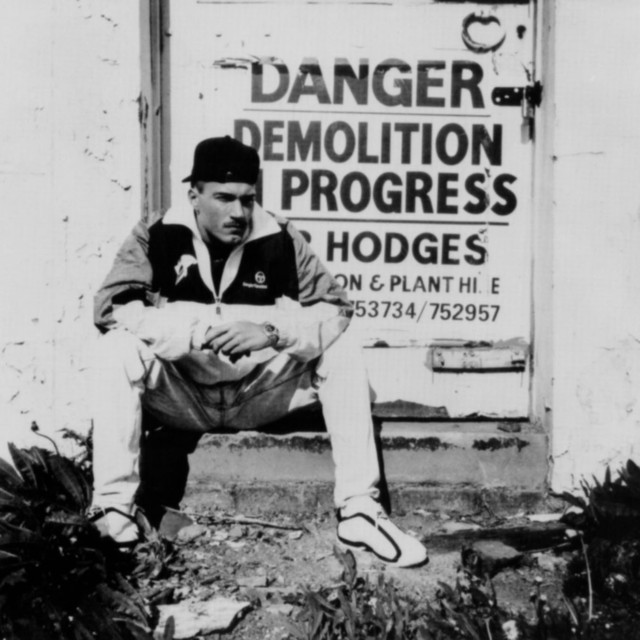
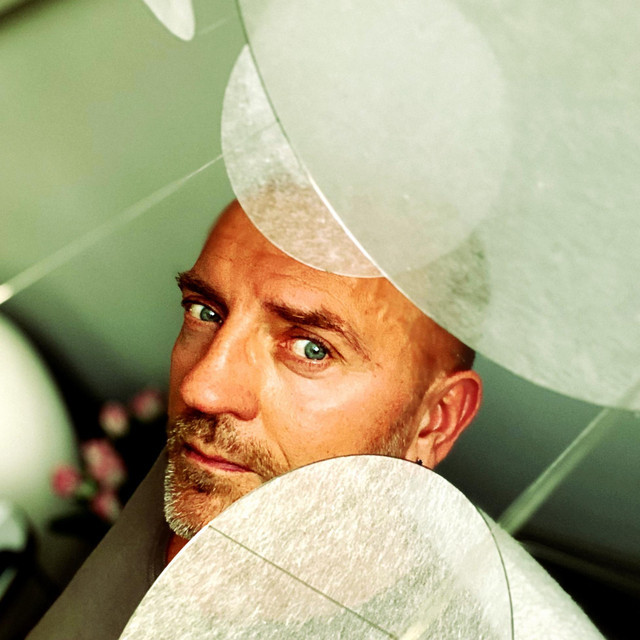
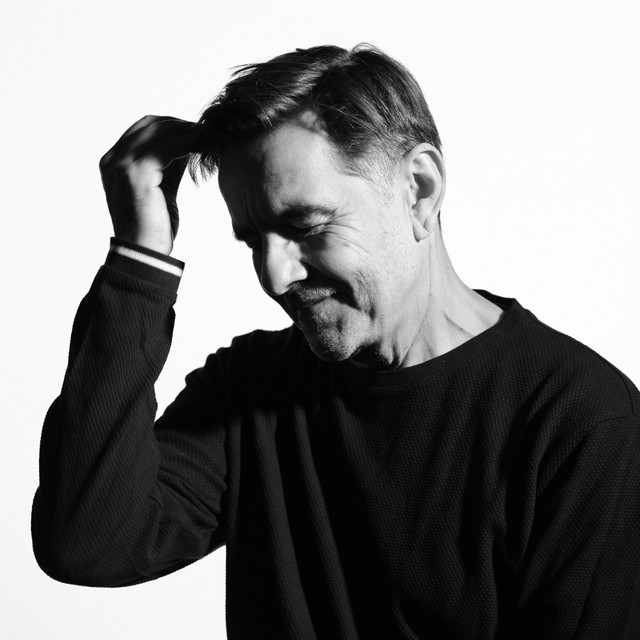
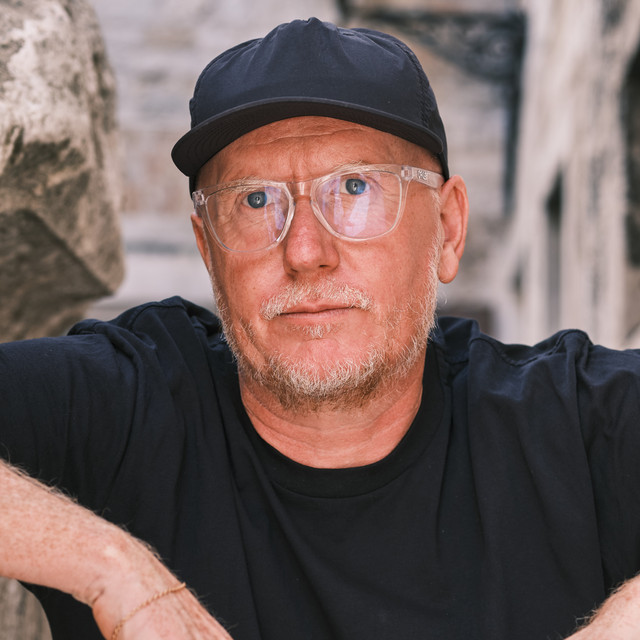
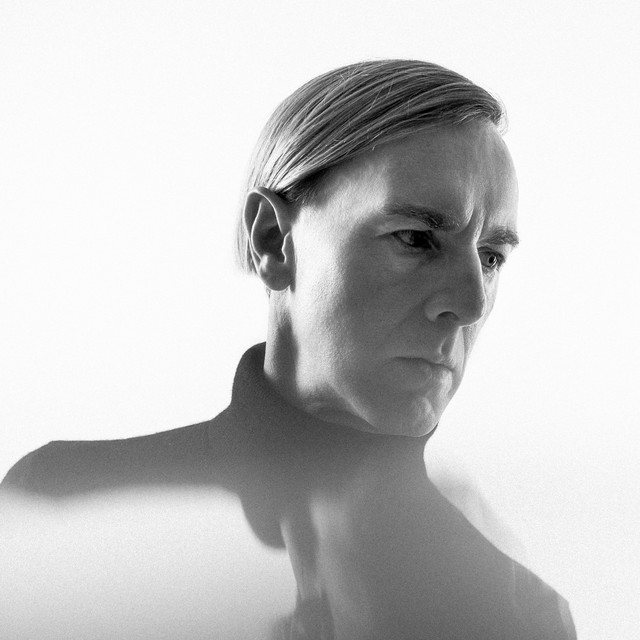
Hawtin was born in Oxfordshire, England in the early '70s, and when he was nine moved with his parents to Windsor, Ontario, Canada. An early interest in electronic-based pop and dance music turned serious when Hawtin discovered the tracks being pumped out by his neighbor across the river, Detroit. Starting as a DJ in 1987, Hawtin quickly became involved in composition through his direct involvement in Detroit's tight-knit community of musicians and producers. Combining early influences from European synth pop groups like <a href="spotify:artist:0dmPX6ovclgOy8WWJaFEUU">Kraftwerk</a> and <a href="spotify:artist:0yNLKJebCb8Aueb54LYya3">New Order</a> with the stripped-down techno futurism of Detroit innovators such as <a href="spotify:artist:208EQzx7RmoE2Ng9gF2edh">Juan Atkins</a> and <a href="spotify:artist:0v6N0xV7AfHHKVcgUOjC51">Derrick May</a>, Hawtin's tracks are as steeped in Motor City tradition as they are in deviating from it in terms of texture and rhythmic complexity.
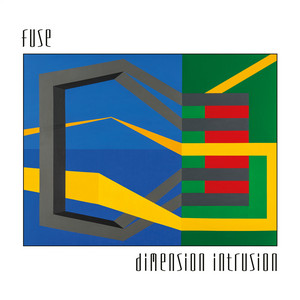
Initially working under pseudonyms such as Circuit Breaker and <a href="spotify:artist:6IPG0sNGEmr4RZt1BMvHrP">Robotman</a>, he released his first album (Dimension Intrusion) in 1993 as <a href="spotify:artist:6qRKwyDhiTu2n9cOhbHict">FUSE</a>; all of these releases appeared through <a href="spotify:search:label%3A%22Plus+8%22">Plus 8</a> and Probe. Signing to <a href="spotify:search:label%3A%22Mute%22">Mute</a> imprint <a href="spotify:search:label%3A%22NovaMute%22">NovaMute</a> as <a href="spotify:artist:7GoFQNOTX0suC6Tn59qx8n">Plastikman</a>, he released the "Spastik" single and full-length Sheet One (with packaging designed to resemble a sheet of acid tabs) near the end of the year. His subsequent full-lengths focused more on home listening than club play; his deepest excursions into ambient techno include his trilogy of albums with <a href="spotify:artist:1zdrhzkCEqTrUrIiRzVeQ3">Pete Namlook</a> as From Within, as well as <a href="spotify:artist:7GoFQNOTX0suC6Tn59qx8n">Plastikman</a>'s sparse, aquatic Consumed album from 1998. Additionally, he used the Concept 1 moniker to release a series of stripped-down experimental techno 12"s, one per month throughout 1996, before issuing the compilation CD:96 in 1998.
After establishing <a href="spotify:search:label%3A%22Minus%22">Minus</a> in 1998, Hawtin released the innovative Decks, EFX & 909 the following year, setting a new standard for techno mixes. He expanded on this concept with the even more complex DE9: Closer to the Edit (2001) and DE9: Transitions (2005). Based in Berlin by this point, he collaborated with choreographer <a href="spotify:artist:3sXcYG6JzeTpyYs2TMTwpf">Enzo Cosimi</a> to compose a piece for the 2006 Winter Olympics opening ceremony. In 2010, he released Arkives: 1993-2010, an extensive box set compiling all of his work as <a href="spotify:artist:7GoFQNOTX0suC6Tn59qx8n">Plastikman</a> to that date. Along with <a href="spotify:artist:4rbw4Z9Hjn6n9x5oYzZe7P">Loco Dice</a> and <a href="spotify:artist:6JbF9kcrPhTtV9I8Pgx5OS">Ean Golden</a>, he toured several North American universities in 2012, presenting a series of seminars and performances titled CNTRL: Beyond EDM. Hawtin and his brother Matthew have worked on conceptual art pieces, including Contained, which was presented at the Art Basel showcase ink Miami in 2013. He performed as <a href="spotify:artist:7GoFQNOTX0suC6Tn59qx8n">Plastikman</a> at the Guggenheim Museum in New York later in the year, leading to the release of the 2014 full-length EX. Hawtin was awarded an Honorary Doctorate of Music Technology by the University of Huddersfield in July of 2015. Later in the year, he commemorated the 25th anniversary of <a href="spotify:search:label%3A%22Plus+8%22">Plus 8</a> with the release of From My Mind to Yours, a studio album containing tracks credited to several of his past pseudonyms. In 2019, he released Close Combined, an audiovisual mix album stitching together performances recorded in Glasgow, London, and Tokyo during the previous year. The following year saw the release of the dancefloor-focused EP Time Warps. ~ Sean Cooper & Paul Simpson, Rovi
Monthly Listeners
159,899
Monthly Listeners History
Track the evolution of monthly listeners over the last 28 days.
Followers
306,813
Followers History
Track the evolution of followers over the last 28 days.
Total Streams
51.4 million
Total Streams History
Track the evolution of total streams over the last 28 days. This data is calculated from all tracks listed in the artist's discography.