Data may be outdated
Last updated: 9 months ago — Click refresh to get the latest statistics.
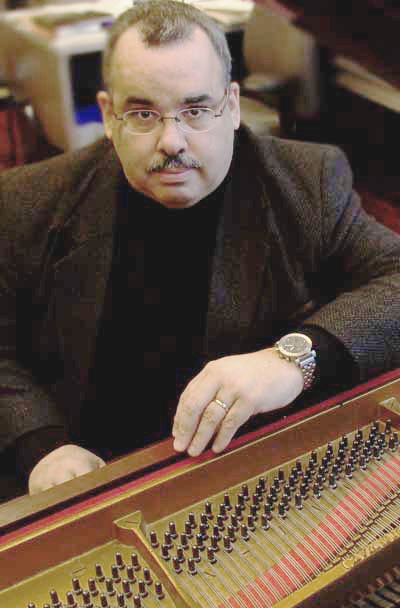
One of the most important contemporary Latin American composers, Roberto Sierra's career blossomed after his North American premiere in 1987 at Carnegie Hall. The event was a resounding success and was followed by other notable premieres. Sierra's style has been somewhat eclectic, fusing progressive compositional methods, some of which were introduced by his teacher <a href="spotify:artist:1zb5zmIuX2lTbzcn7YeQlg">György Ligeti</a>, with folk elements of Puerto Rican and Latin origins, as well as with jazz.
Sierra was born in Vega Baja, Puerto Rico, on October 9, 1953. His musical education was thorough and extensive, with studies first at the Puerto Rico Conservatory (1969-1976), then the University of Puerto Rico (1976-1979), the Royal College of Music in London and London University (1976-1978), the Utrecht-based Institute for Sonology (1978-1979), and finally, the Hamburg Hochschule für Musik (1979-1982), where he both studied and worked with <a href="spotify:artist:1zb5zmIuX2lTbzcn7YeQlg">Ligeti</a>. Following his studies, Sierra returned to Puerto Rico and wrote the choral work Cantos Populares (1983), soon followed by his watershed work, Júbilo (1985). Meanwhile, he supported himself by working in two educational administrative posts (1982-1989): Director of Cultural Activities at Puerto Rico University and Chancellor of the Puerto Rico Conservatory of Music.
Sierra burst onto the scene in 1987 when the <a href="spotify:artist:35Yjqwmuwu7PemkchvSa29">Milwaukee Symphony Orchestra</a> presented the North American premiere of Júbilo at Carnegie Hall. A string of other notable premieres followed that success, perhaps the most important of which was the 2006 performance of the Missa Latina at the Kennedy Center in Washington, D.C., under <a href="spotify:artist:0xcogVKoT8y5OBIg3L0fua">Leonard Slatkin</a>. It was a critical triumph of epic proportions, prompting the Washington Times to compare its success with that of <a href="spotify:artist:7MJ1pB5d6Vjmzep2zQlorn">Britten</a>'s War Requiem. In 1989, Sierra, still tasting the success from the premiere of Júbilo, was named composer-in-residence of the <a href="spotify:artist:35Yjqwmuwu7PemkchvSa29">Milwaukee Symphony</a>, serving until 1992. He has served in this same role with the Puerto Rico and New Mexico Symphonies, and the <a href="spotify:artist:6tdexW8bZTG8NgOFUCYQn1">Philadelphia Orchestra</a>. Sierra has received numerous prestigious commissions, including a joint one from the <a href="spotify:artist:7oOCHAPJjD7IARb5hrzvw9">Pittsburgh</a>, West Virginia, and Utah Symphony Orchestras, which resulted in the Violin Concerto Evocaciones (1994), and one by the <a href="spotify:artist:1TuMl6QKOFwgQZzzhzuds4">Detroit Symphony</a>, for <a href="spotify:artist:6LxEw44q7vq9M5dQMIDsk3">James Carter</a>, which yielded his Concerto for Saxophones and Orchestra; this work was premiered by the <a href="spotify:artist:1TuMl6QKOFwgQZzzhzuds4">Detroit Symphony</a> and <a href="spotify:artist:6LxEw44q7vq9M5dQMIDsk3">Carter</a> in 2002. Another notable work is the percussion concerto Con madera metal y cuero (1998).
Sierra's works are available on a variety of labels, including <a href="spotify:search:label%3A%22Naxos%22">Naxos</a>, <a href="spotify:search:label%3A%22Koch+International%22">Koch International</a>, <a href="spotify:search:label%3A%22Dorian%22">Dorian</a>, and <a href="spotify:search:label%3A%22Albany%22">Albany</a>, among many others. <a href="spotify:search:label%3A%22Naxos%22">Naxos</a> issued a recording of the Missa Latina in 2009, with <a href="spotify:artist:5nd27lT5dzrlmE9eioTuoa">Andreas Delfs</a> leading the <a href="spotify:artist:35Yjqwmuwu7PemkchvSa29">Milwaukee Symphony</a>. In 2020, Lanfranco Marcelletti led the Xalapa Symphony in a <a href="spotify:search:label%3A%22Naxos%22">Naxos</a> release of Sierra's Cantares, Loíza, and Triple Concerto.
Among his many honors, Sierra earned the 2003 Academy Award in Music from the American Academy of Arts and Letters, he was a finalist for the 2008 Pulitzer Prize for his Concerto for Viola, he was elected to the American Academy of Arts & Sciences in 2010, and in 2017, he was awarded the Tomás Luis de Victoria Prize, Spain's highest honor given to Spanish or Latin American composers. Sierra joined the faculty at Cornell University in 1992, where he teaches composition. ~ Robert Cummings & Keith Finke, Rovi
Sierra was born in Vega Baja, Puerto Rico, on October 9, 1953. His musical education was thorough and extensive, with studies first at the Puerto Rico Conservatory (1969-1976), then the University of Puerto Rico (1976-1979), the Royal College of Music in London and London University (1976-1978), the Utrecht-based Institute for Sonology (1978-1979), and finally, the Hamburg Hochschule für Musik (1979-1982), where he both studied and worked with <a href="spotify:artist:1zb5zmIuX2lTbzcn7YeQlg">Ligeti</a>. Following his studies, Sierra returned to Puerto Rico and wrote the choral work Cantos Populares (1983), soon followed by his watershed work, Júbilo (1985). Meanwhile, he supported himself by working in two educational administrative posts (1982-1989): Director of Cultural Activities at Puerto Rico University and Chancellor of the Puerto Rico Conservatory of Music.
Sierra burst onto the scene in 1987 when the <a href="spotify:artist:35Yjqwmuwu7PemkchvSa29">Milwaukee Symphony Orchestra</a> presented the North American premiere of Júbilo at Carnegie Hall. A string of other notable premieres followed that success, perhaps the most important of which was the 2006 performance of the Missa Latina at the Kennedy Center in Washington, D.C., under <a href="spotify:artist:0xcogVKoT8y5OBIg3L0fua">Leonard Slatkin</a>. It was a critical triumph of epic proportions, prompting the Washington Times to compare its success with that of <a href="spotify:artist:7MJ1pB5d6Vjmzep2zQlorn">Britten</a>'s War Requiem. In 1989, Sierra, still tasting the success from the premiere of Júbilo, was named composer-in-residence of the <a href="spotify:artist:35Yjqwmuwu7PemkchvSa29">Milwaukee Symphony</a>, serving until 1992. He has served in this same role with the Puerto Rico and New Mexico Symphonies, and the <a href="spotify:artist:6tdexW8bZTG8NgOFUCYQn1">Philadelphia Orchestra</a>. Sierra has received numerous prestigious commissions, including a joint one from the <a href="spotify:artist:7oOCHAPJjD7IARb5hrzvw9">Pittsburgh</a>, West Virginia, and Utah Symphony Orchestras, which resulted in the Violin Concerto Evocaciones (1994), and one by the <a href="spotify:artist:1TuMl6QKOFwgQZzzhzuds4">Detroit Symphony</a>, for <a href="spotify:artist:6LxEw44q7vq9M5dQMIDsk3">James Carter</a>, which yielded his Concerto for Saxophones and Orchestra; this work was premiered by the <a href="spotify:artist:1TuMl6QKOFwgQZzzhzuds4">Detroit Symphony</a> and <a href="spotify:artist:6LxEw44q7vq9M5dQMIDsk3">Carter</a> in 2002. Another notable work is the percussion concerto Con madera metal y cuero (1998).
Sierra's works are available on a variety of labels, including <a href="spotify:search:label%3A%22Naxos%22">Naxos</a>, <a href="spotify:search:label%3A%22Koch+International%22">Koch International</a>, <a href="spotify:search:label%3A%22Dorian%22">Dorian</a>, and <a href="spotify:search:label%3A%22Albany%22">Albany</a>, among many others. <a href="spotify:search:label%3A%22Naxos%22">Naxos</a> issued a recording of the Missa Latina in 2009, with <a href="spotify:artist:5nd27lT5dzrlmE9eioTuoa">Andreas Delfs</a> leading the <a href="spotify:artist:35Yjqwmuwu7PemkchvSa29">Milwaukee Symphony</a>. In 2020, Lanfranco Marcelletti led the Xalapa Symphony in a <a href="spotify:search:label%3A%22Naxos%22">Naxos</a> release of Sierra's Cantares, Loíza, and Triple Concerto.
Among his many honors, Sierra earned the 2003 Academy Award in Music from the American Academy of Arts and Letters, he was a finalist for the 2008 Pulitzer Prize for his Concerto for Viola, he was elected to the American Academy of Arts & Sciences in 2010, and in 2017, he was awarded the Tomás Luis de Victoria Prize, Spain's highest honor given to Spanish or Latin American composers. Sierra joined the faculty at Cornell University in 1992, where he teaches composition. ~ Robert Cummings & Keith Finke, Rovi
Monthly Listeners
5,866
Monthly Listeners History
Track the evolution of monthly listeners over the last 28 days.
Followers
660
Followers History
Track the evolution of followers over the last 28 days.
Top Cities
135 listeners

65 listeners

63 listeners
59 listeners

56 listeners
Related Artists
Christopher D. Lewis
Daniel Yeadon
Ugo Orlandi
Vincent Boucher

Classical Moods

Keith Clarke

Kateřina Englichová
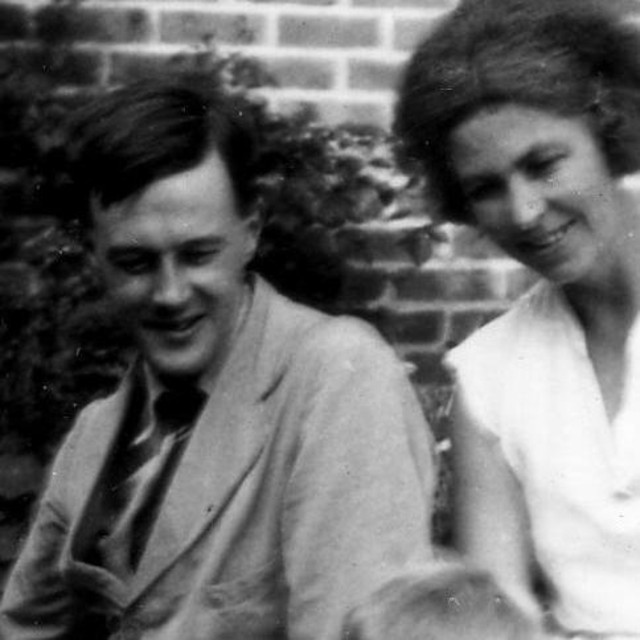
Robin Milford

Jürgen Hübscher
Jean-François Dandrieu
Miroslav Kejmar


Mikael Beier

Aristid Von Würtzler

Claude Gagnon

Francis Perry

Pierre-Gabriel Buffardin
Siegfried Behrend

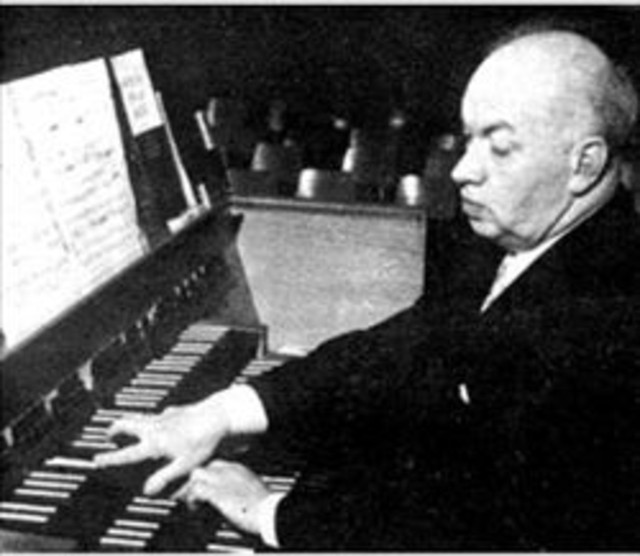
Anton Heiller


Barbara Harbach

Jean-Willy Kunz
Lionel Handy
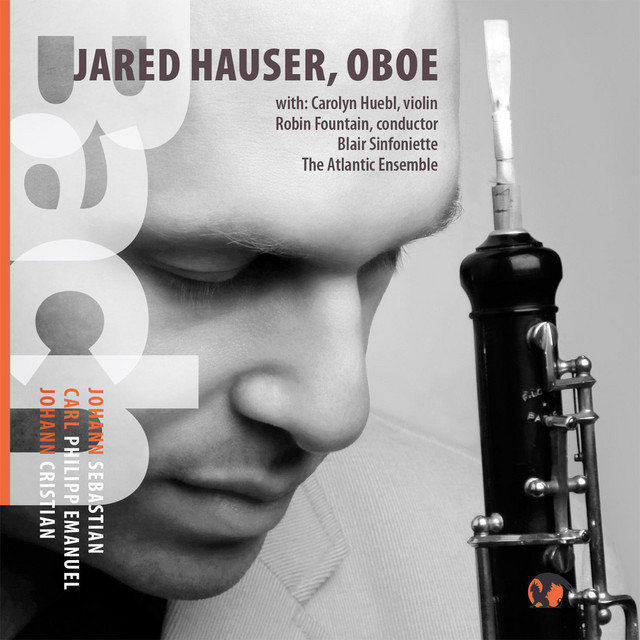
Jared Hauser

Daquin

Gábor Kósa
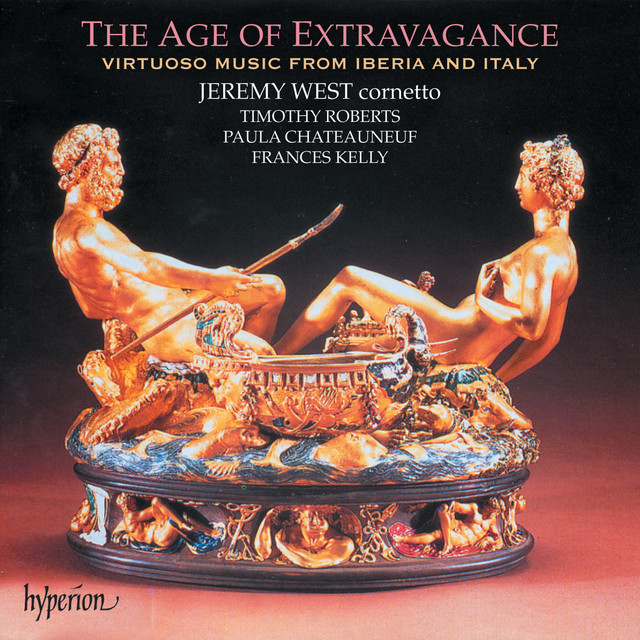
Pablo Bruna
Dorina Frati
Nora Bumanis


Pauline Oostenrijk
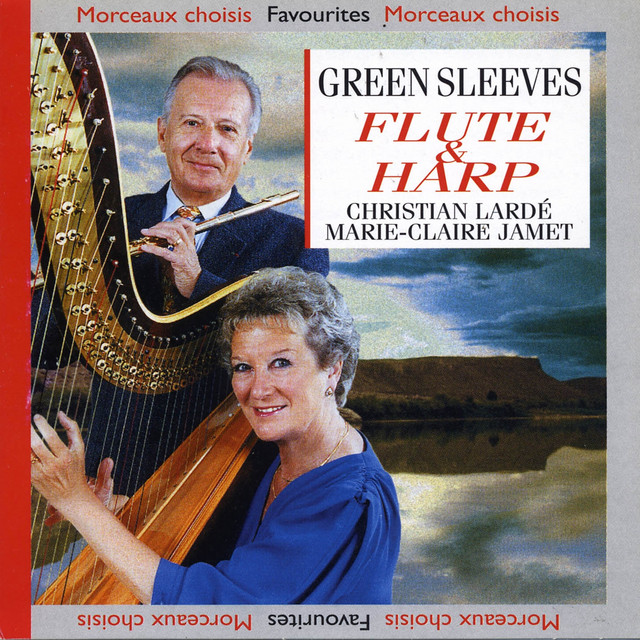
Marie-Claire Jamet

Johannes Matthias Michel
