Data may be outdated
Last updated: 9 months ago — Click refresh to get the latest statistics.
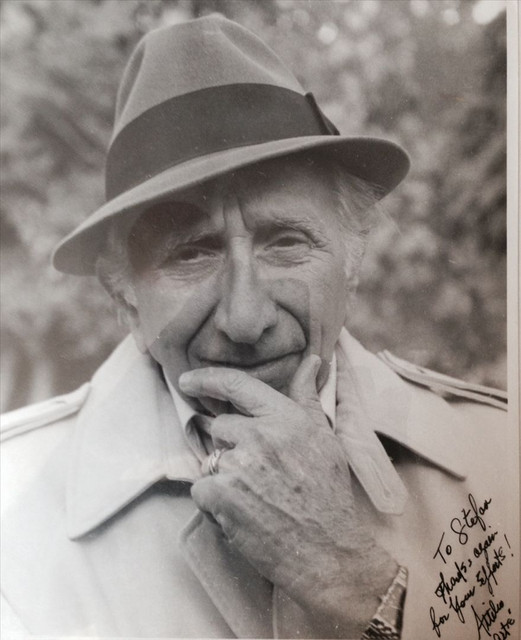
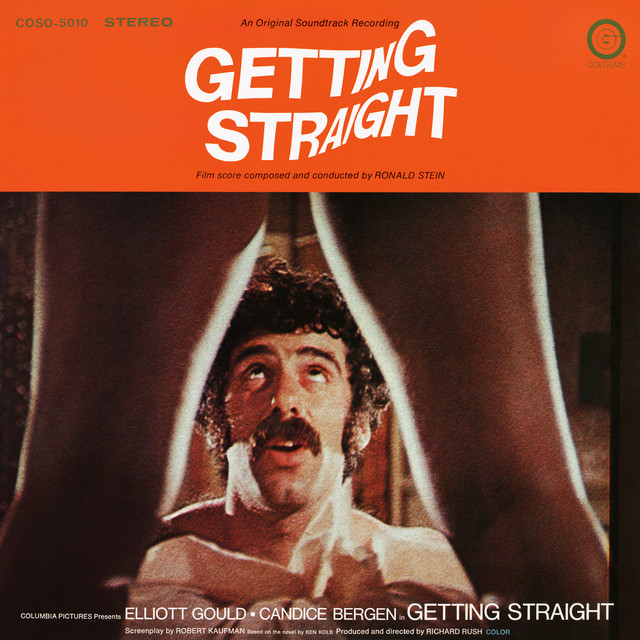
Ronald Stein's career exemplifies what a good film music composer could do for films that were often rather less than good. Stein was born in St. Louis, MO, where his mother had been a theater pianist for silent movies. He studied at Washington University and following service in the Army set his sights on a career in movie music. None of the major studios -- except one that told him not even to bother applying in person -- would reply to his inquiries. In 1955, he crossed paths with Roger Corman, a director/producer who was making movies intended for the nation's drive-in circuits. Corman seldom spent more than 60,000 dollars making his movies -- a quarter the budget of the most modest major studio productions -- but he knew that a good score could overcome short running times, weak casting, and even the most threadbare decor and costuming. Beginning with Apache Woman (1956), Stein scored most of Corman's movies over the next 19 years, as well as those of other low-budget producers. The early ones were often written on the fly, as Stein's end of the business involved high-volume, low-paying work. His success lay in his always respecting the project, no matter low ludicrous its titles or visuals. Thus, a science fiction/comedy hybrid like Invasion of the Saucer Men benefited from lighthearted music underscoring the antics of its teenaged protagonists and bolder, disquieting music accompanying the movements of dismembered alien arms and other unearthly visuals. He devised pounding, soaring passages to accompany the totally unconvincing images of the jumbo-sized protagonist and her similarly proportioned alien guest in Attack of the 50 Foot Woman (1958). His music for Attack of the Crab Monsters (1957) was built on a complex foundation of a pounding suspense theme on the horns and brass with a twisting misterioso from the strings weaving in and out, which all made audiences overlook the Styrofoam origins of the giant crabs. Beginning in 1962, most of Stein's scores were recorded in Germany with the Munich Philharmonic and reflected the better forces available to him with significantly greater complexity and subtlety. During the mid-'60s, Stein moved into a wider circle of projects, including Peter Bogdanovich's Targets (1968) and Francis Ford Coppola's The Rain People (1969). He served as a professor of music at the University of Colorado in Denver from 1980 through 1985.
Monthly Listeners
730
Monthly Listeners History
Track the evolution of monthly listeners over the last 28 days.
Followers
453
Followers History
Track the evolution of followers over the last 28 days.
Top Cities





Related Artists
Bert Shefter
Igo Kantor
Gordon Parks

Les Reed

Dennis Farnon

Albert Glasser

Frank Comstock

Alden Shuman
Nicholas Carras

Pippo Caruso

Louis Peraino

Vladmir Cosma

Fiona Richmond

William Tasker

Henri Lanoë

The Pinewood Orchestra

Barbara Stanwyck

The Marty Gold Orchestra
Cyril John Payne
John Mills-Cockell


Patrick John O'Hara Scott

FRANK OWENS

Gordon Grant
Five Easy Pieces Original Cast
Burgess Meredith
Pinewood Strings


Peter Milray
Sania Poustylnicoff
John Saunders

Sante Marie Romitelli

Derek Scott

Pierre Jansen