Genre
classic soundtrack
Top Classic soundtrack Artists
Showing 25 of 60 artists
About Classic soundtrack
Classic soundtrack refers to the orchestral, symphonic film scores that underpinned cinema’s Golden Age and beyond, the musical language that makes a film’s mood, character, and narrative arc feel inevitable. It is the art of weaving melody, harmony, and rhythm into a dramatic continuum that supports the on-screen action without shouting over it. Its birth is intimately tied to the transition from silent pictures to synchronized sound in the late 1920s and early 1930s, when studios began commissioning original scores rather than simply licensing songs or compiling existing music.
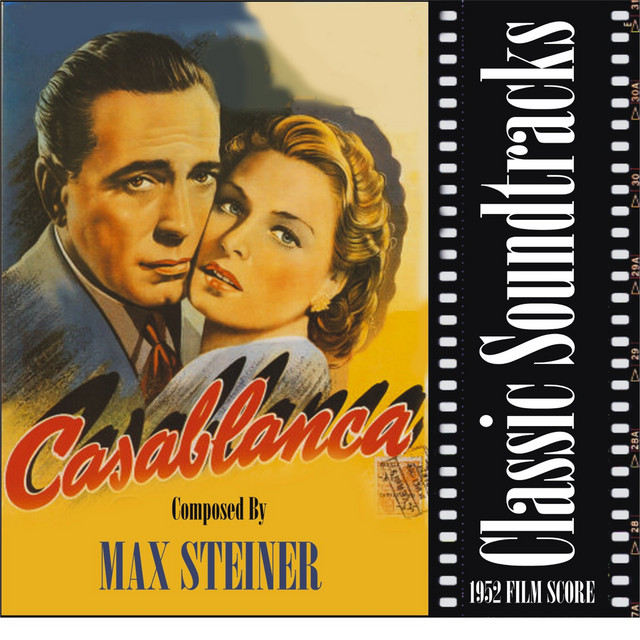
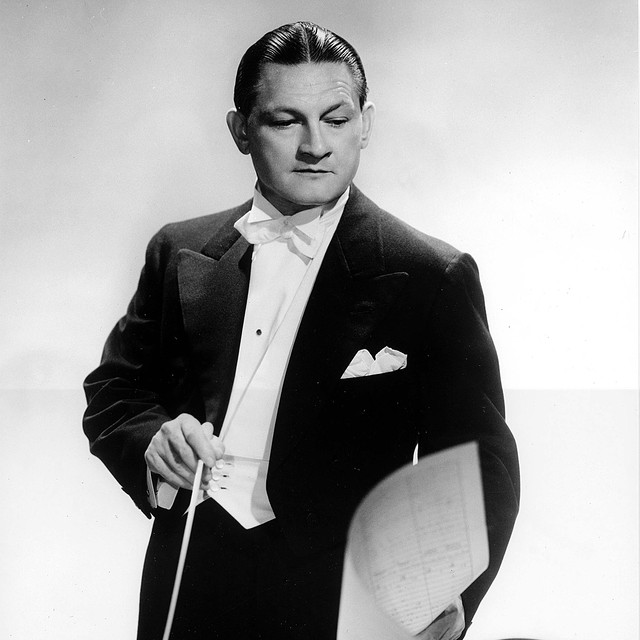
The genre’s first decisive breakthroughs came in the 1930s and 1940s. Max Steiner’s score for Gone with the Wind (1939) helped codify how a film could carry its emotional burden through a continuous musical fabric. Erich Wolfgang Korngold’s The Adventures of Robin Hood (1938) set a standard for lush, Romantic orchestration and leitmotifs that tied themes to characters and moments. Miklós Rózsa and Franz Waxman expanded the palette with sweeping, often opulent textures in Ben-Hur (1959) and Sunset Boulevard (1950), respectively. These composers, among others, built a template of memorable melodies, rich orchestration, and narrative clarity that remains a hallmark of the classic soundtrack.
What defines the sound of this genre is a commitment to the orchestra as storyteller. The tenure of leitmotifs—recurring musical ideas linked to characters, places, or ideas—helps the audience “read” the film even when dialogue is sparse. The scores balance Romantic expressiveness with modern craft: counterpoint, dynamic contrasts, careful pacing, and a seamless dialogue with the film’s editing and sound design. The result is music that can be felt as much as heard, often becoming part of the film’s identity long after the credits roll.
Beyond these early giants, the tradition continued to grow through the mid-20th century with composers like Bernard Herrmann (Psycho, Vertigo), Henry Mancini (Breakfast at Tiffany’s), and Jerry Goldsmith (Planet of the Apes, Chinatown). In Europe, Ennio Morricone reshaped the landscape of the genre with The Good, the Bad and the Ugly and Once Upon a Time in the West, integrating genre flair with orchestral bravura. John Barry and others kept the flame alive in the world of grand, character-driven scores for decades.
Today, the classic soundtrack remains influential and actively celebrated. Its ambassadors span continents and eras: Korngold and Steiner laid the roots, Rozsa and Waxman expanded the vocabulary, Herrmann, Mancini, and Goldsmith carried mastery into the modern century, while Morricone, Barry, and Williams bridged classic temperament with contemporary texture. While preferences vary by country, the genre enjoys particular ardor in the United States and Europe—where Hollywood studios, European film houses, and symphony orchestras routinely present concert programs and live-to-picture performances that honor this enduring tradition. The classic soundtrack endures not only on screen but in concert halls, recordings, and the collective imagination of music enthusiasts who savor cinematic storytelling in its most orchestral, narrative form.
The genre’s first decisive breakthroughs came in the 1930s and 1940s. Max Steiner’s score for Gone with the Wind (1939) helped codify how a film could carry its emotional burden through a continuous musical fabric. Erich Wolfgang Korngold’s The Adventures of Robin Hood (1938) set a standard for lush, Romantic orchestration and leitmotifs that tied themes to characters and moments. Miklós Rózsa and Franz Waxman expanded the palette with sweeping, often opulent textures in Ben-Hur (1959) and Sunset Boulevard (1950), respectively. These composers, among others, built a template of memorable melodies, rich orchestration, and narrative clarity that remains a hallmark of the classic soundtrack.
What defines the sound of this genre is a commitment to the orchestra as storyteller. The tenure of leitmotifs—recurring musical ideas linked to characters, places, or ideas—helps the audience “read” the film even when dialogue is sparse. The scores balance Romantic expressiveness with modern craft: counterpoint, dynamic contrasts, careful pacing, and a seamless dialogue with the film’s editing and sound design. The result is music that can be felt as much as heard, often becoming part of the film’s identity long after the credits roll.
Beyond these early giants, the tradition continued to grow through the mid-20th century with composers like Bernard Herrmann (Psycho, Vertigo), Henry Mancini (Breakfast at Tiffany’s), and Jerry Goldsmith (Planet of the Apes, Chinatown). In Europe, Ennio Morricone reshaped the landscape of the genre with The Good, the Bad and the Ugly and Once Upon a Time in the West, integrating genre flair with orchestral bravura. John Barry and others kept the flame alive in the world of grand, character-driven scores for decades.
Today, the classic soundtrack remains influential and actively celebrated. Its ambassadors span continents and eras: Korngold and Steiner laid the roots, Rozsa and Waxman expanded the vocabulary, Herrmann, Mancini, and Goldsmith carried mastery into the modern century, while Morricone, Barry, and Williams bridged classic temperament with contemporary texture. While preferences vary by country, the genre enjoys particular ardor in the United States and Europe—where Hollywood studios, European film houses, and symphony orchestras routinely present concert programs and live-to-picture performances that honor this enduring tradition. The classic soundtrack endures not only on screen but in concert halls, recordings, and the collective imagination of music enthusiasts who savor cinematic storytelling in its most orchestral, narrative form.