Data may be outdated
Last updated: 7 months ago — Click refresh to get the latest statistics.
Country singer/songwriter Shawn Camp spent his early years on a farm outside of Perryville, AR. His father was an ironworker and his mother a beautician. Both sang and played guitar, infusing their child with a love of music; he began playing guitar himself at five. At the age of 20 in January 1987, he moved to Nashville to become a professional musician. He first found a berth as a fiddle player for <a href="spotify:artist:6gM87haEMrst4Eqdobf98c">the Osborne Brothers</a>, and subsequently moved on to the backing bands for <a href="spotify:artist:3kvy8do7n0qVqvlNFS4yOF">Jerry Reed</a>, <a href="spotify:artist:4mxWe1mtYIYfP040G38yvS">Alan Jackson</a>, <a href="spotify:artist:13YoXxZt6SLg96dQE1vkHy">Suzy Bogguss</a>, <a href="spotify:artist:3xx17YXYvPl9PBx6Jzalk4">Shelby Lynne</a>, and <a href="spotify:artist:3XlIhgydjvC4EniPFZT20j">Trisha Yearwood</a>. In 1991, he left <a href="spotify:artist:3XlIhgydjvC4EniPFZT20j">Yearwood</a> to become a solo performer. He was signed to the <a href="spotify:search:label%3A%22Reprise%22">Reprise</a> division of <a href="spotify:search:label%3A%22Warner+Bros.+Records%22">Warner Bros. Records</a>, which released his debut single, "Fallin' Never Felt So Good," in 1993. It entered the country charts that July and peaked in the Top 40 in October. That month, <a href="spotify:search:label%3A%22Reprise%22">Reprise</a> released <a href="spotify:artist:5ND1l6L0UQD7KoAnMupeYY">Camp</a>'s first album, Shawn Camp, which spent several weeks in the country charts. A second single, "Confessin' My Love," peaked in the country Top 40 in January 1994.
<a href="spotify:artist:5ND1l6L0UQD7KoAnMupeYY">Camp</a> recorded a second album for <a href="spotify:search:label%3A%22Reprise%22">Reprise</a>, but the label rejected it and dropped him. He turned to working as a session musician, appearing on albums by <a href="spotify:artist:0nJUwPwC9Ti4vvuJ0q3MfT">John Prine</a>, <a href="spotify:artist:4BclNkZtAUq1YrYNzye3N7">Garth Brooks</a>, <a href="spotify:artist:5CAiy5rDr3LaSoGtJOq6A0">Nanci Griffith</a>, and <a href="spotify:artist:0Ekfvspc0hlcxdfJJVjcnq">Guy Clark</a>, among others, over the rest of the decade. At the same time, he co-wrote songs that were covered by many artists, including <a href="spotify:artist:0svyIX7Xu3DVMkrOtB88i6">Diamond Rio</a>, <a href="spotify:artist:0xxJO75NeIAF5jYruLYIDT">Tracy Byrd</a>, <a href="spotify:artist:3grHWM9bx2E9vwJCdlRv9O">Kenny Chesney</a>, <a href="spotify:artist:3U7k7hBsHF9dy4ELW53Wrv">John Anderson</a>, and <a href="spotify:artist:1pTuR132U5b4Rizal2Pr7m">Randy Travis</a>. "Two Pina Coladas," which he co-wrote for <a href="spotify:artist:4BclNkZtAUq1YrYNzye3N7">Garth Brooks</a>, appeared on <a href="spotify:artist:0XKOBt59crntr7HQXXO8Yz">Brooks</a>' Sevens album and hit number one on the country charts in May 1998, and "How Long Gone," which he co-wrote for <a href="spotify:artist:0XKOBt59crntr7HQXXO8Yz">Brooks & Dunn</a>, hit number one on the country charts in September 1998. <a href="spotify:artist:5ND1l6L0UQD7KoAnMupeYY">Camp</a> self-released his second album, Lucky Silver Dollar, in July 2001. This set was followed by Live at the Station Inn in 2004, Fireball in 2006, and The Bluegrass Elvises, Vol. 1 with <a href="spotify:artist:596pF0tYoKyJCgI4WLTLs4">Billy Burnette</a> in 2007. In 2009, <a href="spotify:search:label%3A%22Warner+Music+Nashville%22">Warner Music Nashville</a> President/CEO <a href="spotify:artist:7ocQDoB9lW1EByfaiNwiGD">John Esposito</a> caught <a href="spotify:artist:5ND1l6L0UQD7KoAnMupeYY">Camp</a> at a guitar pull during a music conference and was knocked out. Discovering that <a href="spotify:search:label%3A%22Warner%22">Warner</a> had <a href="spotify:artist:5ND1l6L0UQD7KoAnMupeYY">Camp</a>'s unreleased second album in its vaults, he had the label release the album in 2010 (now entitled 1994), to coincide with a reissue of his 1993 debut for <a href="spotify:search:label%3A%22Reprise%22">Reprise</a>. ~ William Ruhlmann, Rovi
<a href="spotify:artist:5ND1l6L0UQD7KoAnMupeYY">Camp</a> recorded a second album for <a href="spotify:search:label%3A%22Reprise%22">Reprise</a>, but the label rejected it and dropped him. He turned to working as a session musician, appearing on albums by <a href="spotify:artist:0nJUwPwC9Ti4vvuJ0q3MfT">John Prine</a>, <a href="spotify:artist:4BclNkZtAUq1YrYNzye3N7">Garth Brooks</a>, <a href="spotify:artist:5CAiy5rDr3LaSoGtJOq6A0">Nanci Griffith</a>, and <a href="spotify:artist:0Ekfvspc0hlcxdfJJVjcnq">Guy Clark</a>, among others, over the rest of the decade. At the same time, he co-wrote songs that were covered by many artists, including <a href="spotify:artist:0svyIX7Xu3DVMkrOtB88i6">Diamond Rio</a>, <a href="spotify:artist:0xxJO75NeIAF5jYruLYIDT">Tracy Byrd</a>, <a href="spotify:artist:3grHWM9bx2E9vwJCdlRv9O">Kenny Chesney</a>, <a href="spotify:artist:3U7k7hBsHF9dy4ELW53Wrv">John Anderson</a>, and <a href="spotify:artist:1pTuR132U5b4Rizal2Pr7m">Randy Travis</a>. "Two Pina Coladas," which he co-wrote for <a href="spotify:artist:4BclNkZtAUq1YrYNzye3N7">Garth Brooks</a>, appeared on <a href="spotify:artist:0XKOBt59crntr7HQXXO8Yz">Brooks</a>' Sevens album and hit number one on the country charts in May 1998, and "How Long Gone," which he co-wrote for <a href="spotify:artist:0XKOBt59crntr7HQXXO8Yz">Brooks & Dunn</a>, hit number one on the country charts in September 1998. <a href="spotify:artist:5ND1l6L0UQD7KoAnMupeYY">Camp</a> self-released his second album, Lucky Silver Dollar, in July 2001. This set was followed by Live at the Station Inn in 2004, Fireball in 2006, and The Bluegrass Elvises, Vol. 1 with <a href="spotify:artist:596pF0tYoKyJCgI4WLTLs4">Billy Burnette</a> in 2007. In 2009, <a href="spotify:search:label%3A%22Warner+Music+Nashville%22">Warner Music Nashville</a> President/CEO <a href="spotify:artist:7ocQDoB9lW1EByfaiNwiGD">John Esposito</a> caught <a href="spotify:artist:5ND1l6L0UQD7KoAnMupeYY">Camp</a> at a guitar pull during a music conference and was knocked out. Discovering that <a href="spotify:search:label%3A%22Warner%22">Warner</a> had <a href="spotify:artist:5ND1l6L0UQD7KoAnMupeYY">Camp</a>'s unreleased second album in its vaults, he had the label release the album in 2010 (now entitled 1994), to coincide with a reissue of his 1993 debut for <a href="spotify:search:label%3A%22Reprise%22">Reprise</a>. ~ William Ruhlmann, Rovi
Monthly Listeners
7,047
Monthly Listeners History
Track the evolution of monthly listeners over the last 28 days.
Followers
2,649
Followers History
Track the evolution of followers over the last 28 days.
Top Cities
Related Artists
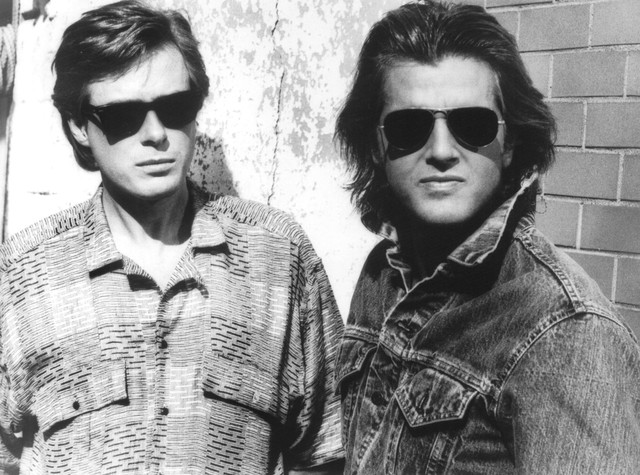
The O'Kanes
The Burnett Sisters Band
C.J. Lewandowski
Bibelhauser Brothers

Pitney Meyer
Johnny Meyer
Wayne Scott
Red Camel Collective
Wilson Banjo Co.
Shelby Means
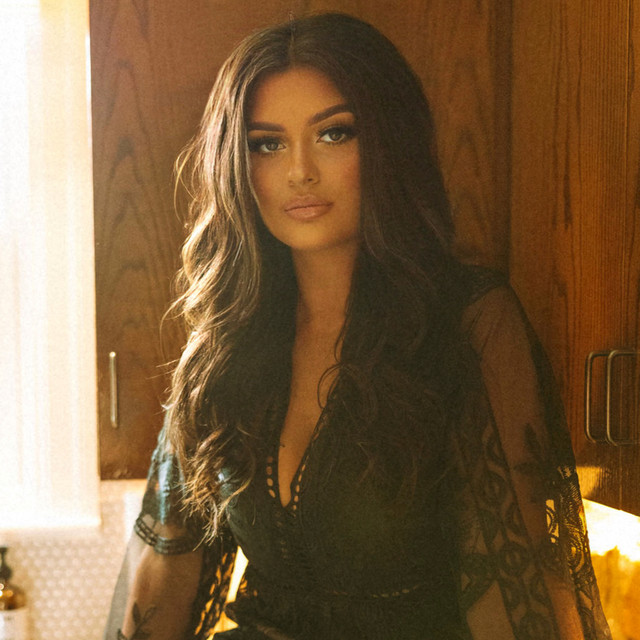
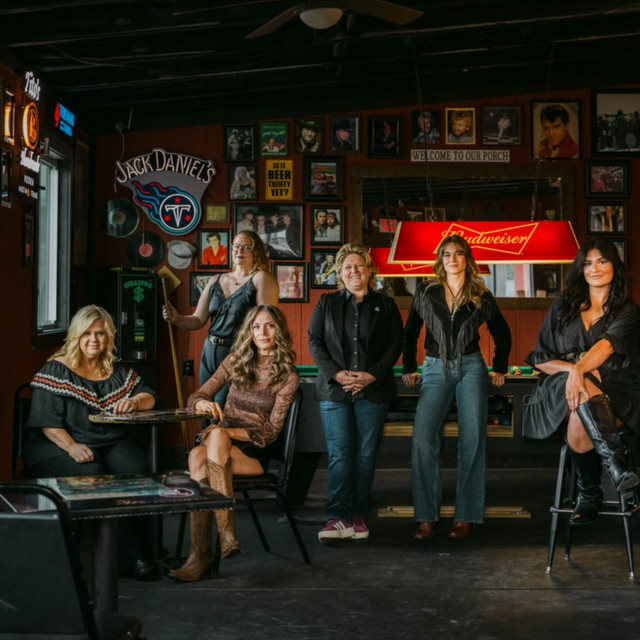
Sister Sadie
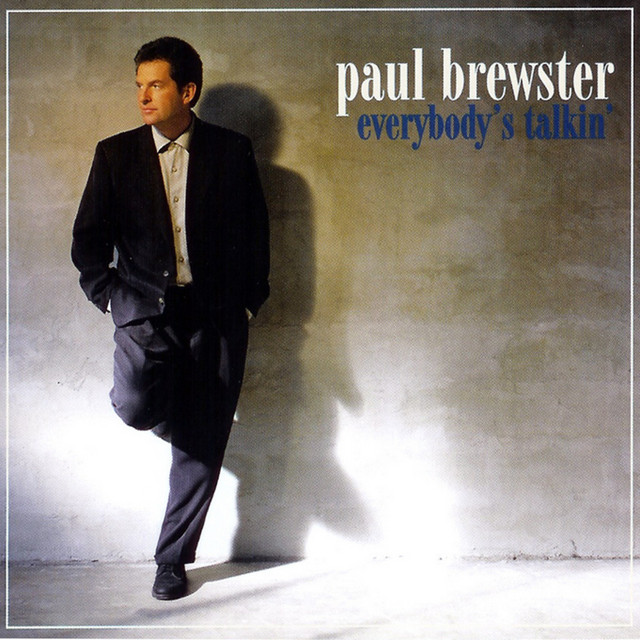
Paul Brewster
Seth Mulder & Midnight Run
Ashby Frank
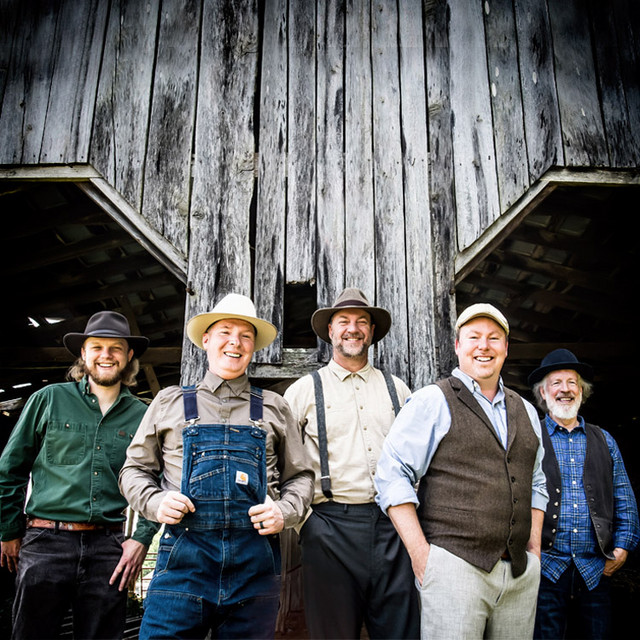
Appalachian Road Show
Rick Faris
Dave Evans

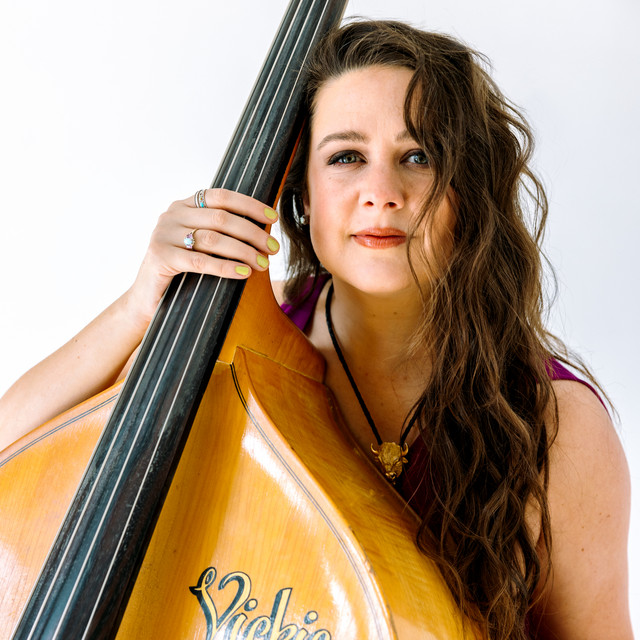
Vickie Vaughn
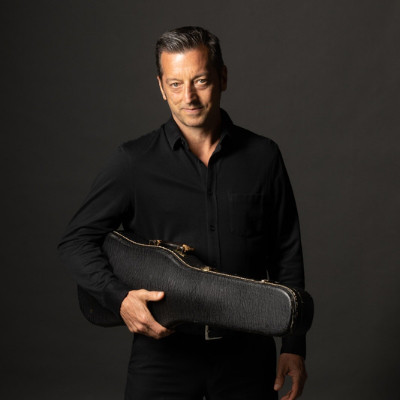
Jason Carter
Brennen Leigh
Ketch Secor

Rice, Rice, Hillman and Pedersen