Last updated: 2 hours ago
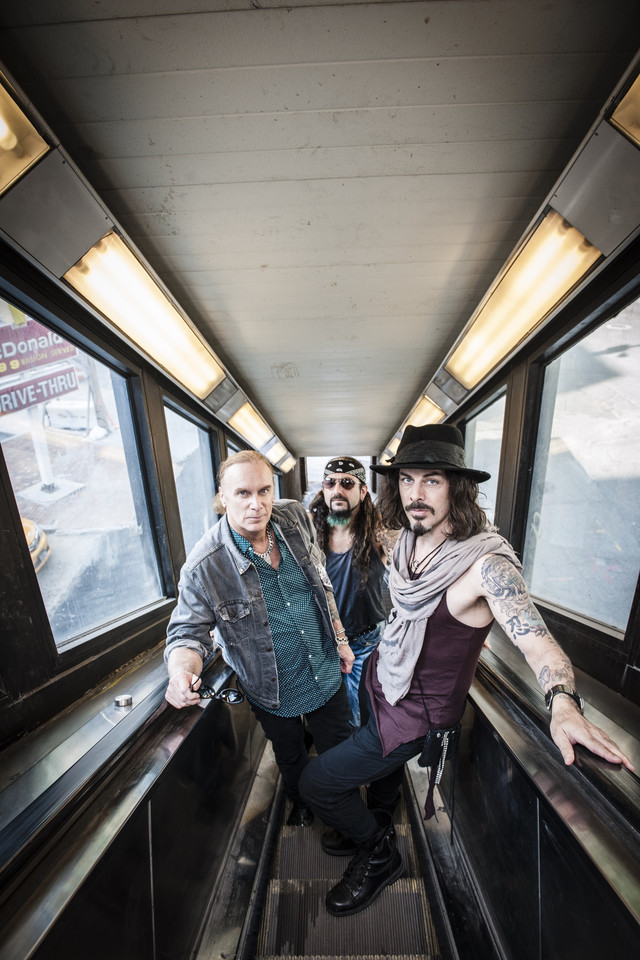
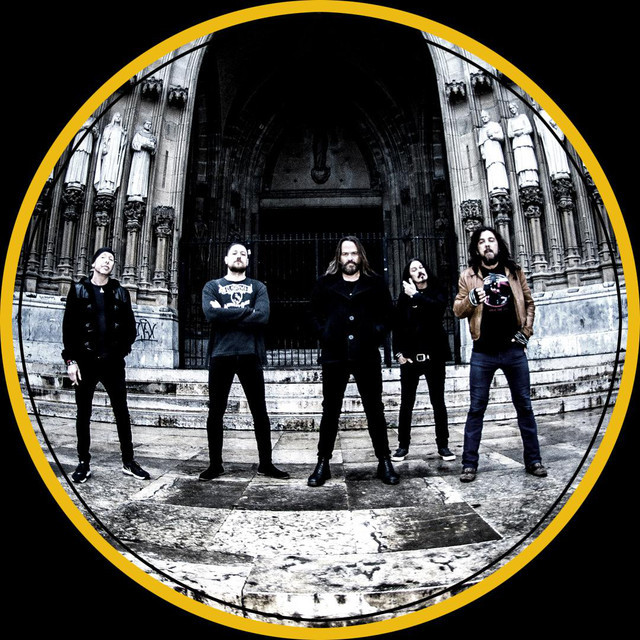
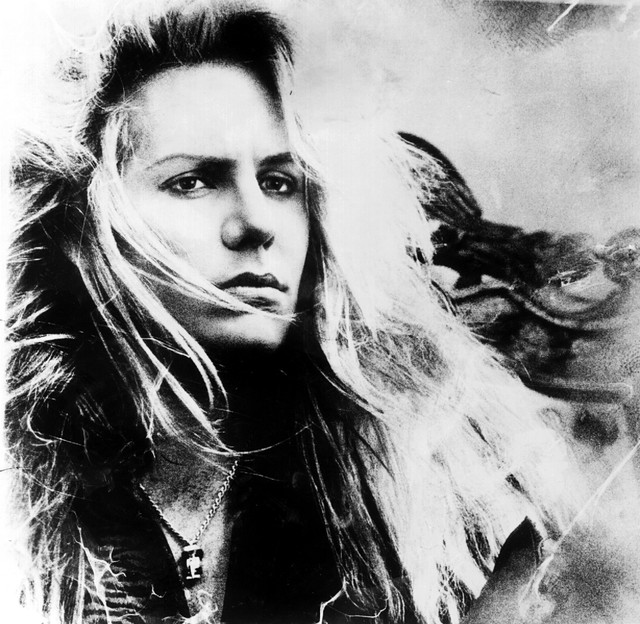
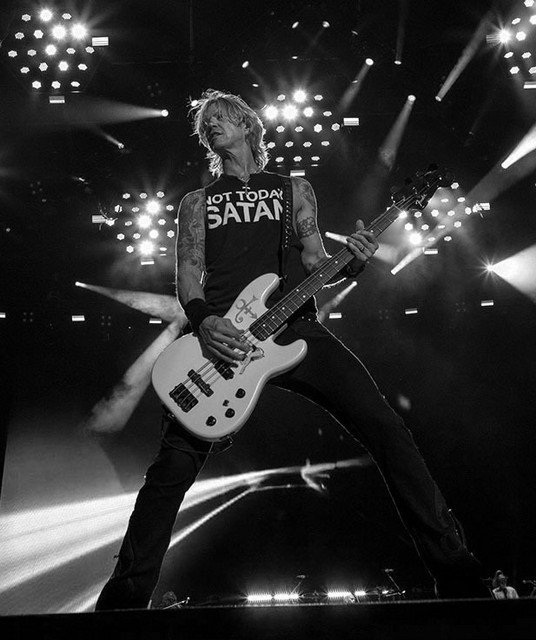
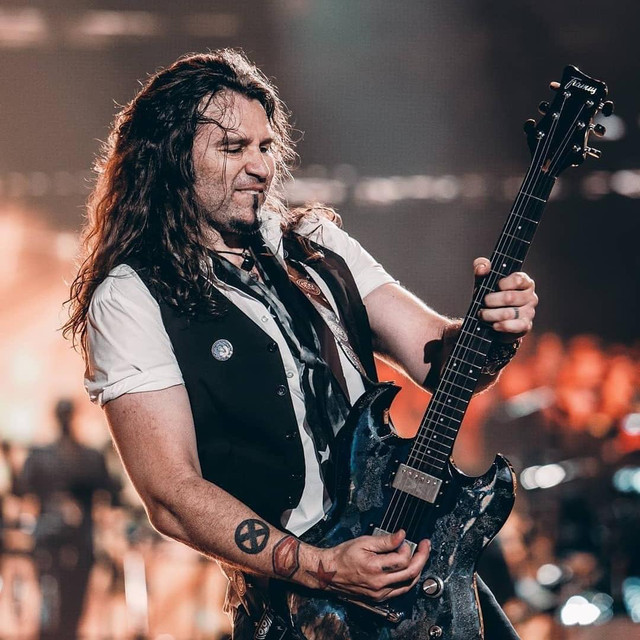
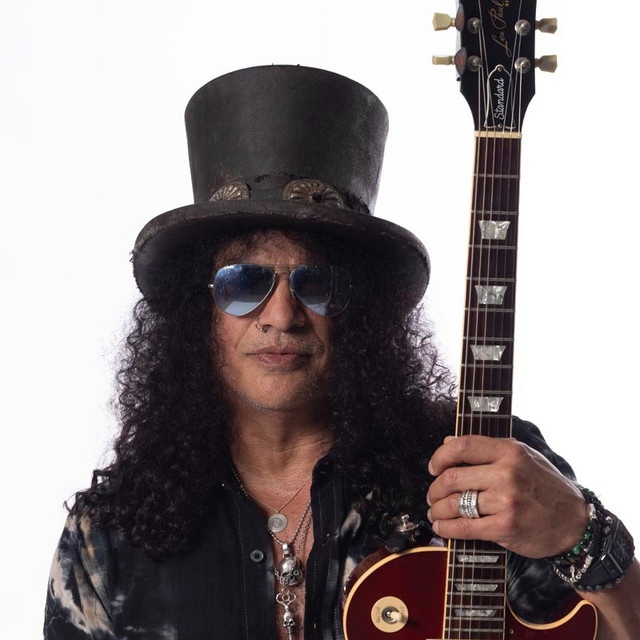
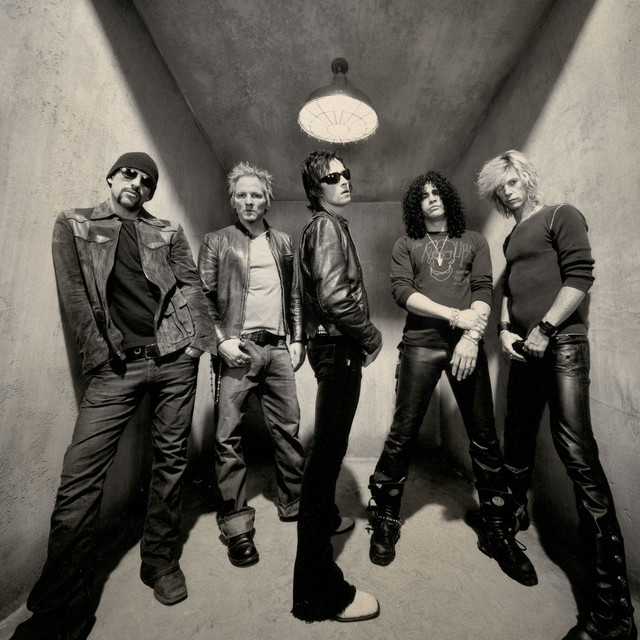
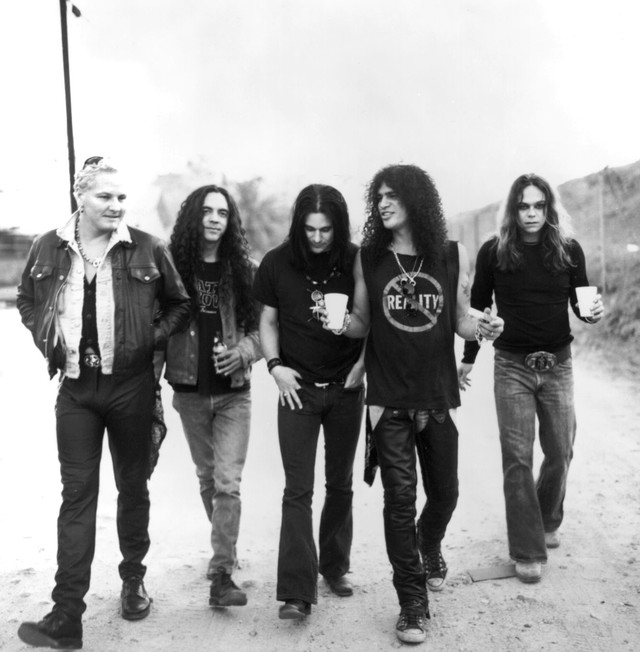
Slash's Snakepit formed as a direct result of <a href="spotify:artist:4Cqia9vrAbm7ANXbJGXsTE">Slash</a>'s continuing disagreements with former partner <a href="spotify:artist:6lig3yUbu7r6VhnB8YGSlF">Axl Rose</a> over the musical direction of <a href="spotify:artist:3qm84nBOXUEQ2vnTfUTTFC">Guns N' Roses</a>. While working on a follow-up to the hugely successful Use Your Illusion I and Use Your Illusion II records, <a href="spotify:artist:4Cqia9vrAbm7ANXbJGXsTE">Slash</a>'s affinity for more traditional <a href="spotify:artist:7Ey4PD4MYsKc5I2dolUwbH">Aerosmith</a> meets <a href="spotify:artist:36QJpDe2go2KgaRleHCDTp">Led Zeppelin</a>-type rock & roll was continually at odds with <a href="spotify:artist:6lig3yUbu7r6VhnB8YGSlF">Rose</a>'s growing interest in industrial music. As a result of their inability to find common ground, <a href="spotify:artist:4Cqia9vrAbm7ANXbJGXsTE">Slash</a> went to work on material at his home studio with a group of musicians who included former <a href="spotify:artist:3qm84nBOXUEQ2vnTfUTTFC">Guns N' Roses</a> guitarist <a href="spotify:artist:6Ya7kAthUWvVuSQBX0oIMx">Gilby Clarke</a>, <a href="spotify:artist:3qm84nBOXUEQ2vnTfUTTFC">Guns N' Roses</a> drummer <a href="spotify:artist:1icjlI6iYtR1JjXTJLf4gG">Matt Sorum</a>, <a href="spotify:artist:64tNsm6TnZe2zpcMVMOoHL">Alice in Chains</a> bassist <a href="spotify:artist:5zQ3QCJst7tA5A4mkpVWak">Mike Inez</a>, and former <a href="spotify:artist:10flBVEy5MiUXOJWTaFsyL">Jellyfish</a> vocalist Eric Dover. <a href="spotify:artist:4Cqia9vrAbm7ANXbJGXsTE">Slash</a> and Dover wrote 12 songs in less than two weeks.
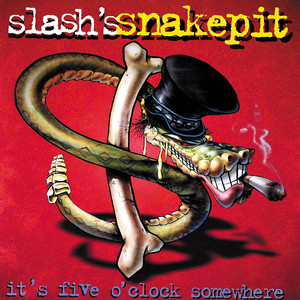
When <a href="spotify:artist:6lig3yUbu7r6VhnB8YGSlF">Rose</a> heard the songs that <a href="spotify:artist:4Cqia9vrAbm7ANXbJGXsTE">Slash</a> was working on, he wanted the songs for the next <a href="spotify:artist:3qm84nBOXUEQ2vnTfUTTFC">GNR</a> album, but <a href="spotify:artist:6lig3yUbu7r6VhnB8YGSlF">Rose</a> had already rejected the songs when <a href="spotify:artist:4Cqia9vrAbm7ANXbJGXsTE">Slash</a> presented them earlier in demo form, so <a href="spotify:artist:4Cqia9vrAbm7ANXbJGXsTE">Slash</a> decided to keep the songs for himself. As the turmoil increased, <a href="spotify:artist:1icjlI6iYtR1JjXTJLf4gG">Sorum</a> decided to abandon the side project and returned to <a href="spotify:artist:3qm84nBOXUEQ2vnTfUTTFC">Guns N' Roses</a>. After numerous delays, the band, officially called Slash's Snakepit, released its debut album, It's Five O'Clock Somewhere, in April of 1995 on <a href="spotify:artist:3qm84nBOXUEQ2vnTfUTTFC">GNR</a>'s label, <a href="spotify:search:label%3A%22Geffen%22">Geffen</a>. <a href="spotify:artist:4Cqia9vrAbm7ANXbJGXsTE">Slash</a> was still a member of <a href="spotify:artist:3qm84nBOXUEQ2vnTfUTTFC">Guns N' Roses</a> at the time, but after the tumultuous pressure-filled period he had spent in the biggest and often most controversial band in the world, he found he was enjoying the freedom the Snakepit was affording him. After the monstrous two-year marathon world tour of stadiums in support of the Use Your Illusion records, <a href="spotify:artist:4Cqia9vrAbm7ANXbJGXsTE">Slash</a> was also enjoying the opportunity to play rock & roll in smaller venues. In 1997, <a href="spotify:artist:4Cqia9vrAbm7ANXbJGXsTE">Slash</a> finally parted ways with <a href="spotify:artist:3qm84nBOXUEQ2vnTfUTTFC">Guns N' Roses</a> officially, but claimed he would return if <a href="spotify:artist:6lig3yUbu7r6VhnB8YGSlF">Rose</a> decided to return to rock & roll and abandon industrial music.
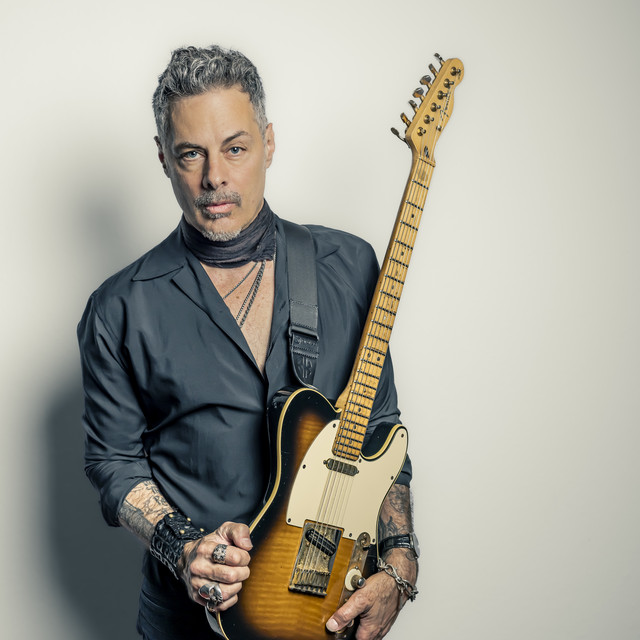
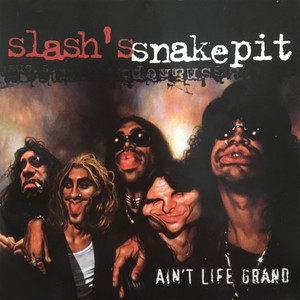
After a brief blues cover band project called <a href="spotify:artist:4Cqia9vrAbm7ANXbJGXsTE">Slash's Blues Ball</a>, <a href="spotify:artist:4Cqia9vrAbm7ANXbJGXsTE">Slash</a> brought the Snakepit back in 1999 with a whole new lineup that included vocalist Rod Jackson, former <a href="spotify:artist:7HLvzuM9p11k9lUQfSM4Rq">Warrant</a> and <a href="spotify:artist:3tufWJzpCiAGleBt5TkmTn">Ratt</a> guitarist Kerri Kelli, bassist Johnny Blackout, drummer Matt Laug, and former <a href="spotify:artist:3qm84nBOXUEQ2vnTfUTTFC">Guns N' Roses</a> road alumni Teddy "ZigZag" Andreadis on keyboards. In November of 2000, this revamped Snakepit lineup released Ain't Life Grand, a collection of straightforward hard rock songs on the small <a href="spotify:search:label%3A%22Koch%22">Koch</a> record label. This album showed <a href="spotify:artist:4Cqia9vrAbm7ANXbJGXsTE">Slash</a> still continuing to play his type of blues-influenced rock & roll. Later in 2000, they went on to tour arenas in support of hard rock legends <a href="spotify:artist:711MCceyCBcFnzjGY4Q7Un">AC/DC</a>. ~ Paul Tinelli, Rovi
When <a href="spotify:artist:6lig3yUbu7r6VhnB8YGSlF">Rose</a> heard the songs that <a href="spotify:artist:4Cqia9vrAbm7ANXbJGXsTE">Slash</a> was working on, he wanted the songs for the next <a href="spotify:artist:3qm84nBOXUEQ2vnTfUTTFC">GNR</a> album, but <a href="spotify:artist:6lig3yUbu7r6VhnB8YGSlF">Rose</a> had already rejected the songs when <a href="spotify:artist:4Cqia9vrAbm7ANXbJGXsTE">Slash</a> presented them earlier in demo form, so <a href="spotify:artist:4Cqia9vrAbm7ANXbJGXsTE">Slash</a> decided to keep the songs for himself. As the turmoil increased, <a href="spotify:artist:1icjlI6iYtR1JjXTJLf4gG">Sorum</a> decided to abandon the side project and returned to <a href="spotify:artist:3qm84nBOXUEQ2vnTfUTTFC">Guns N' Roses</a>. After numerous delays, the band, officially called Slash's Snakepit, released its debut album, It's Five O'Clock Somewhere, in April of 1995 on <a href="spotify:artist:3qm84nBOXUEQ2vnTfUTTFC">GNR</a>'s label, <a href="spotify:search:label%3A%22Geffen%22">Geffen</a>. <a href="spotify:artist:4Cqia9vrAbm7ANXbJGXsTE">Slash</a> was still a member of <a href="spotify:artist:3qm84nBOXUEQ2vnTfUTTFC">Guns N' Roses</a> at the time, but after the tumultuous pressure-filled period he had spent in the biggest and often most controversial band in the world, he found he was enjoying the freedom the Snakepit was affording him. After the monstrous two-year marathon world tour of stadiums in support of the Use Your Illusion records, <a href="spotify:artist:4Cqia9vrAbm7ANXbJGXsTE">Slash</a> was also enjoying the opportunity to play rock & roll in smaller venues. In 1997, <a href="spotify:artist:4Cqia9vrAbm7ANXbJGXsTE">Slash</a> finally parted ways with <a href="spotify:artist:3qm84nBOXUEQ2vnTfUTTFC">Guns N' Roses</a> officially, but claimed he would return if <a href="spotify:artist:6lig3yUbu7r6VhnB8YGSlF">Rose</a> decided to return to rock & roll and abandon industrial music.
After a brief blues cover band project called <a href="spotify:artist:4Cqia9vrAbm7ANXbJGXsTE">Slash's Blues Ball</a>, <a href="spotify:artist:4Cqia9vrAbm7ANXbJGXsTE">Slash</a> brought the Snakepit back in 1999 with a whole new lineup that included vocalist Rod Jackson, former <a href="spotify:artist:7HLvzuM9p11k9lUQfSM4Rq">Warrant</a> and <a href="spotify:artist:3tufWJzpCiAGleBt5TkmTn">Ratt</a> guitarist Kerri Kelli, bassist Johnny Blackout, drummer Matt Laug, and former <a href="spotify:artist:3qm84nBOXUEQ2vnTfUTTFC">Guns N' Roses</a> road alumni Teddy "ZigZag" Andreadis on keyboards. In November of 2000, this revamped Snakepit lineup released Ain't Life Grand, a collection of straightforward hard rock songs on the small <a href="spotify:search:label%3A%22Koch%22">Koch</a> record label. This album showed <a href="spotify:artist:4Cqia9vrAbm7ANXbJGXsTE">Slash</a> still continuing to play his type of blues-influenced rock & roll. Later in 2000, they went on to tour arenas in support of hard rock legends <a href="spotify:artist:711MCceyCBcFnzjGY4Q7Un">AC/DC</a>. ~ Paul Tinelli, Rovi
Monthly Listeners
68,204
Monthly Listeners History
Track the evolution of monthly listeners over the last 28 days.
Followers
334,338
Followers History
Track the evolution of followers over the last 28 days.
Top Cities
1,726 listeners
1,317 listeners
1,173 listeners
1,077 listeners
1,007 listeners