Data may be outdated
Last updated: 8 months ago — Click refresh to get the latest statistics.
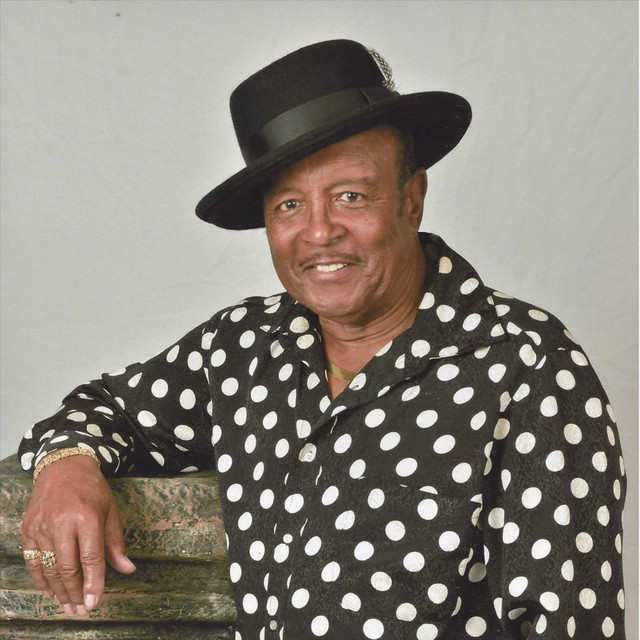
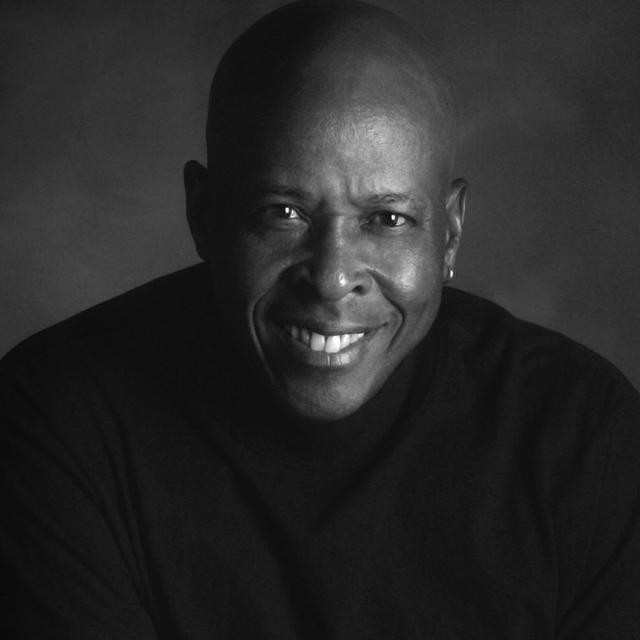
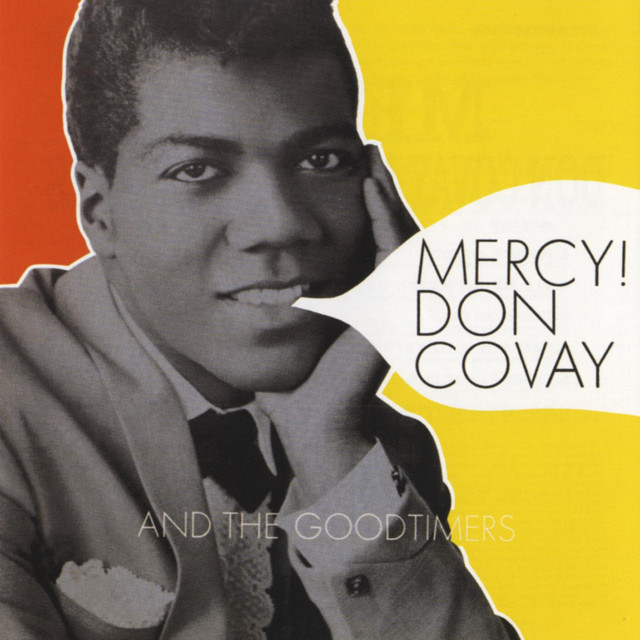
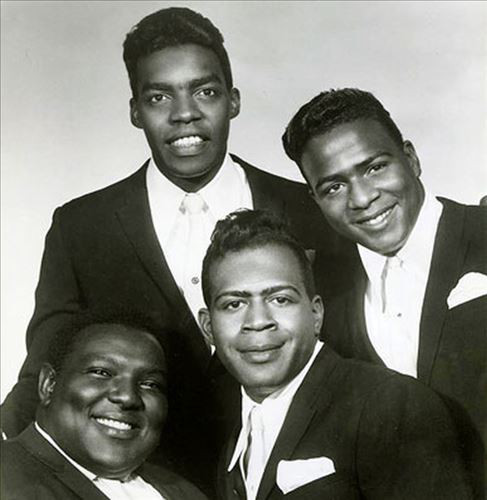
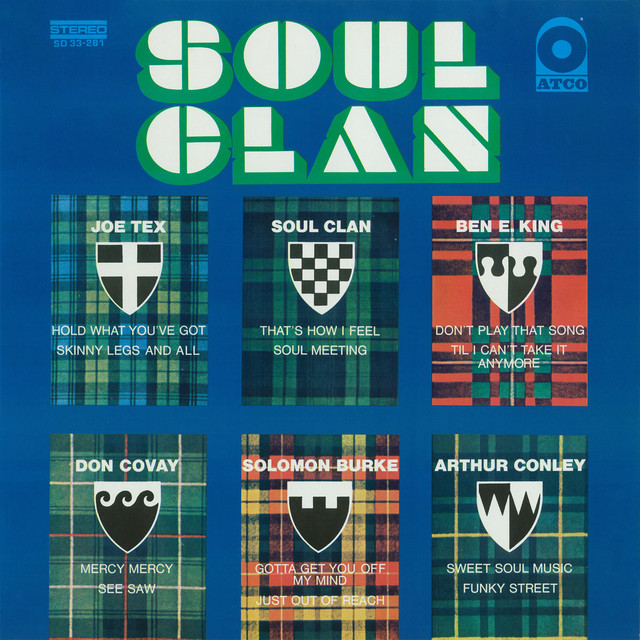
A short-lived but legendary supergroup comprised of some of the biggest names in '60s soul, the Soul Clan's proper recording career amounted to a mere two songs, but the act's lineup was enough to make any R&B aficionado take notice: <a href="spotify:artist:4nts0oxMT67lVUoi5Kjxrb">Solomon Burke</a>, <a href="spotify:artist:10TSIJnyUcowWhpjj59gHB">Arthur Conley</a>, Don Covay, <a href="spotify:artist:3plJVWt88EqjvtuB4ZDRV3">Ben E. King</a>, and <a href="spotify:artist:5TbXjzD8tYgMD5JU2g2F8q">Joe Tex</a>. At the height of their fame, <a href="spotify:artist:4nts0oxMT67lVUoi5Kjxrb">Burke</a>, Covay, <a href="spotify:artist:5TbXjzD8tYgMD5JU2g2F8q">Tex</a>, <a href="spotify:artist:60df5JBRRPcnSpsIMxxwQm">Otis Redding</a>, and <a href="spotify:artist:0N5PyKJzS3M1XNlaCL7bbE">Wilson Pickett</a> (all of whom recorded either for Atlantic Records or its affiliated labels) were good friends, often toured together, and would sometimes pop up at each other's shows. Both <a href="spotify:artist:4nts0oxMT67lVUoi5Kjxrb">Burke</a> and Covay began bandying around the idea of working together as a show of musical solidarity; <a href="spotify:artist:4nts0oxMT67lVUoi5Kjxrb">Burke</a> saw the collaboration as a stepping stone toward building an autonomous African-American business empire, while Covay, more successful as a songwriter than a performer, hoped to promote his own career alongside those of his friends. While the idea simmered for some time, it wasn't until 1968 that the project finally took flight; by this time, <a href="spotify:artist:60df5JBRRPcnSpsIMxxwQm">Redding</a> had died in a tragic airplane crash and <a href="spotify:artist:0N5PyKJzS3M1XNlaCL7bbE">Pickett</a> developed cold feet, supposedly uncomfortable with <a href="spotify:artist:4nts0oxMT67lVUoi5Kjxrb">Burke</a>'s grandiose financial plans, so <a href="spotify:artist:10TSIJnyUcowWhpjj59gHB">Conley</a> and <a href="spotify:artist:3plJVWt88EqjvtuB4ZDRV3">King</a> stepped in to replace them. The group recorded a single, "Soul Meeting" b/w "That's How I Feel," which was intended as a trailer for a later album and tour, but the single failed to make a serious impression on the charts, and Atlantic pulled their financing toward further recording (<a href="spotify:artist:4nts0oxMT67lVUoi5Kjxrb">Burke</a> has subsequently said he believes Atlantic purposefully let the record fail to prevent the artists from gaining too much power). A Soul Clan album did emerge, but it simply combined the two sides of the single with solo tracks by the various stars, and ended the group's recording career the same year it began. In 1981, the group reunited for a live concert in New York City (with <a href="spotify:artist:0N5PyKJzS3M1XNlaCL7bbE">Pickett</a> stepping in for <a href="spotify:artist:10TSIJnyUcowWhpjj59gHB">Arthur Conley</a>, who was in Europe at the time), but it was the last time they would work together; <a href="spotify:artist:5TbXjzD8tYgMD5JU2g2F8q">Joe Tex</a> died in 1982. ~ Mark Deming, Rovi
Monthly Listeners
34,764
Monthly Listeners History
Track the evolution of monthly listeners over the last 28 days.
Followers
1,477
Followers History
Track the evolution of followers over the last 28 days.
Top Cities




Related Artists