Genre
classic soul
Top Classic soul Artists
Showing 25 of 506 artists
About Classic soul
Classic soul is a deeply emotive, gospel-infused branch of rhythm and blues that crystallized in the United States during the late 1950s and flourished through the 1960s and early 1970s. It fused the church-bred intensity of gospel with the punch and swing of secular R&B, yielding performances of remarkable vocal polish, melodic hooks, and rhythmic purpose. The genre is defined by its ability to convey vulnerability and strength in equal measure, turning love, heartbreak, social longing, and everyday triumphs into songs you feel as much as you hear.
Birth and development occurred in parallel with the rise of independent labels that could spotlight Black talent. Motown Records, founded by Berry Gordy in Detroit in 1959, crafted a polished, pop-friendly strand of soul known as the Motown Sound—tight vocal harmonies, a shimmering rhythm section, bright horns, and catchy melodies. In Memphis, Stax Records, founded by Jim Stewart and Estelle Axton, offered a grittier, more gospel-driven alternative centered around Southern soul and horn-forward arrangements. Ray Charles, Sam Cooke, and others helped push gospel-derived feeling into mainstream R&B, while artists like Aretha Franklin, James Brown, Otis Redding, Marvin Gaye, and Stevie Wonder became the era’s most influential ambassadors.
Musically, classic soul favors confident, expressive vocals; call-and-response with backing choirs; crisp, dancing grooves; horn sections that punctuate phrases; and sometimes lush string arrangements in the Philadelphian vein of later 1960s-70s productions. The result is music that feels intimate, dramatic, and aspirational all at once. It also gave birth to subgenres and regional flavors, from the sophisticated Philadelphia soul to the grittier Memphis and Detroit sounds, each with its own signature mood.
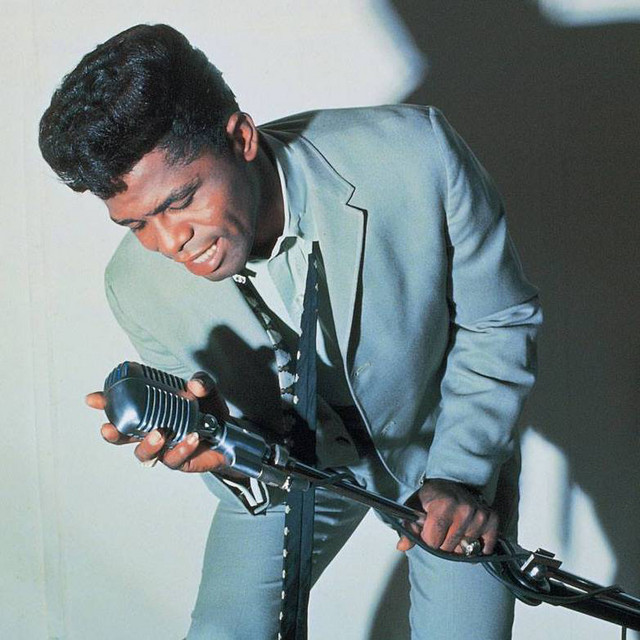
Among the genre’s best-known practitioners, Aretha Franklin towers as the Queen of Soul, her renditions of Respect and Natural Woman emblematic of the form’s emotional breadth. James Brown forged the template for soul’s rhythmic power and showmanship, Otis Redding offered aching sincerity, and Marvin Gaye fused social poignancy with melodic sweep. Stevie Wonder carried classic soul forward into the 1970s with adventurous arrangements and radiant vocal storytelling. Other defining voices include Smokey Robinson and the Miracles, Diana Ross & the Supremes, Etta James, Carla Thomas, and Al Green, each contributing distinctive textures to the classic soul voice.
In terms of reach, classic soul remained most popular in the United States, where the Motown and Stax catalogs defined a generation. It also cultivated devoted scenes abroad: Northern Soul clubs in the United Kingdom celebrated rare American soul cuts with fervor; there has long been popular appreciation across Europe and in Australia and Canada, and a broad diaspora audience in Africa and the Caribbean connects to the universal human warmth of the music. Its legacy continues in contemporary soul and neo-soul artists who sample classic records or channel its emotional directness in new forms. Classic soul is not merely a historical period; it is a blueprint for feeling in song. For listeners today, classic soul remains a touchstone for craft: a discipline of feeling, performance, and storytelling that invites you to move, listen, and reflect.
Birth and development occurred in parallel with the rise of independent labels that could spotlight Black talent. Motown Records, founded by Berry Gordy in Detroit in 1959, crafted a polished, pop-friendly strand of soul known as the Motown Sound—tight vocal harmonies, a shimmering rhythm section, bright horns, and catchy melodies. In Memphis, Stax Records, founded by Jim Stewart and Estelle Axton, offered a grittier, more gospel-driven alternative centered around Southern soul and horn-forward arrangements. Ray Charles, Sam Cooke, and others helped push gospel-derived feeling into mainstream R&B, while artists like Aretha Franklin, James Brown, Otis Redding, Marvin Gaye, and Stevie Wonder became the era’s most influential ambassadors.
Musically, classic soul favors confident, expressive vocals; call-and-response with backing choirs; crisp, dancing grooves; horn sections that punctuate phrases; and sometimes lush string arrangements in the Philadelphian vein of later 1960s-70s productions. The result is music that feels intimate, dramatic, and aspirational all at once. It also gave birth to subgenres and regional flavors, from the sophisticated Philadelphia soul to the grittier Memphis and Detroit sounds, each with its own signature mood.
Among the genre’s best-known practitioners, Aretha Franklin towers as the Queen of Soul, her renditions of Respect and Natural Woman emblematic of the form’s emotional breadth. James Brown forged the template for soul’s rhythmic power and showmanship, Otis Redding offered aching sincerity, and Marvin Gaye fused social poignancy with melodic sweep. Stevie Wonder carried classic soul forward into the 1970s with adventurous arrangements and radiant vocal storytelling. Other defining voices include Smokey Robinson and the Miracles, Diana Ross & the Supremes, Etta James, Carla Thomas, and Al Green, each contributing distinctive textures to the classic soul voice.
In terms of reach, classic soul remained most popular in the United States, where the Motown and Stax catalogs defined a generation. It also cultivated devoted scenes abroad: Northern Soul clubs in the United Kingdom celebrated rare American soul cuts with fervor; there has long been popular appreciation across Europe and in Australia and Canada, and a broad diaspora audience in Africa and the Caribbean connects to the universal human warmth of the music. Its legacy continues in contemporary soul and neo-soul artists who sample classic records or channel its emotional directness in new forms. Classic soul is not merely a historical period; it is a blueprint for feeling in song. For listeners today, classic soul remains a touchstone for craft: a discipline of feeling, performance, and storytelling that invites you to move, listen, and reflect.