Data may be outdated
Last updated: 9 months ago — Click refresh to get the latest statistics.
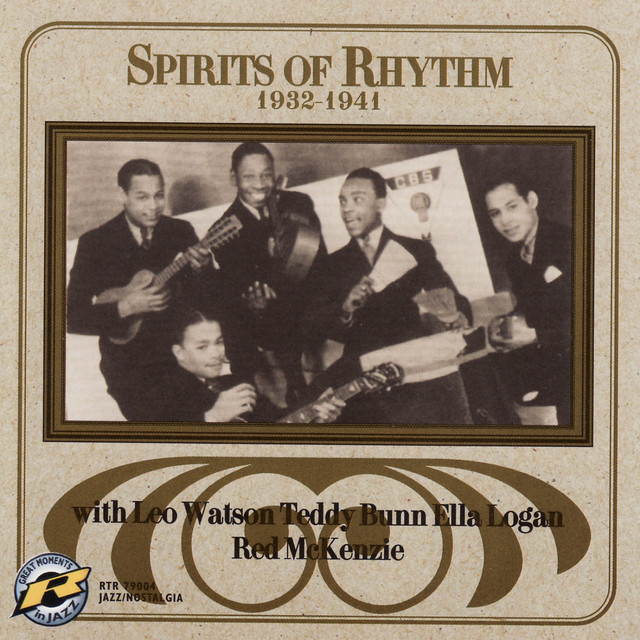
There are several different genres of string bands, coming out of the varied yet sometimes overlapping worlds of country, blues, and jazz. Of the ensembles coming from the latter persuasion, one that is considered one of the most important was the Spirits of Rhythm. A string band, in case there is any confusion, is basically a group where the accompaniment to singing, if there is any, is provided by stringed instruments. Sometimes joining forces from outside the stringed instrument family are various homemade instruments or perhaps a harmonica. The Spirits of Rhythm was well-known for its cooking rhythmic sound. Much of the distinctive nature of this sound comes from the sometimes forgotten stringed instrument called the tiple, which is about the same size as the mandolin and shares a few of that instrument's aspects such as doubled strings (and as well, variations of both instruments without the doubled strings also exist). But the tiple has a special, deeper tone that not only sounds great for rhythmic guitar work but also gives the solos on the instrument a special lustre, easily recognizable from the guitar solos. The contrast between the different stringed instruments, and the player's zest in outdoing each other, was all part of the fun. In much the same manner of the old Django Reinhardt groups, the rhythm instruments are doubled up or in the case of the Spirits group tripled. Two of the tiple players were brothers Douglas and Walter Daniels, the latter sibling no relation to the Austin, TX, harmonica player. None of the players used picks or plectrums, again giving the sound another special edge to it. The tiple players in this group are basically considered the most important exponents of this instrument in jazz, perhaps because they are just about the only ones. But at least the jazz genre can boast of having at least a few tiple players in its ranks, unlike many other styles of music which have none at all. The group also included guitarist Teddy Bunn, double bass, and various types of homemade percussion. Much of the group's material strived for profound nonsense, utilizing scat lyrics, the much-loved Harlem slang or jive talk. The group greatly influenced the work of Slim and Slam, the collaborative ensemble formed by guitarist and singer Slim Gaillard and bassist Slam Stewart. Slim and Slam added only a piano to the string band sound, which, although effective enough rhythmically to cover the loss of multiple tiples (or should that be mul-tiples?), is still a member of the drum family, not the string family. The lyric approach of this group and its connections with the hip sides of black culture also establish it as a strong roots influence on rap music as well.
The Spirits of Rhythm evolved out of a group that had played under several different names, including the Sepia Nephews, Ben Bernie's Nephews, and the Five Cousins, two of them actually brothers. In 1929 the singer and tiple player Leo Watson joined. Three years later the ensemble was augmented further by the addition of the guitarist Teddy Bunn and the name was officially changed to the one that would stick and also wind up being appropriated by both an unrelated rock band and various swing revival bands in the '90s. The original combo first recorded under its new name in 1932. In 1933 Virgil Scoggins came into the group, adding the concept of homemade stuff to bang on. The group also made recordings accompanying Red McKenzie shortly after the percussionist joined on. McKenzie was a player in a skiffle band style, sometimes also known affectionately as "spasm," and is also known for his recordings with the fine early jazz guitarist Eddie Lang. The Spirits band was a regular attraction during the jazz heyday of New York City's 52nd Street and also worked in Hollywood. It remained active until past the mid-'40s, the membership sometimes including players such as the fine bassist Wellman Braud, associated with the Duke Ellington band and drummer Zutty Singleton, often a bandleader his own right. ~ Eugene Chadbourne, Rovi
The Spirits of Rhythm evolved out of a group that had played under several different names, including the Sepia Nephews, Ben Bernie's Nephews, and the Five Cousins, two of them actually brothers. In 1929 the singer and tiple player Leo Watson joined. Three years later the ensemble was augmented further by the addition of the guitarist Teddy Bunn and the name was officially changed to the one that would stick and also wind up being appropriated by both an unrelated rock band and various swing revival bands in the '90s. The original combo first recorded under its new name in 1932. In 1933 Virgil Scoggins came into the group, adding the concept of homemade stuff to bang on. The group also made recordings accompanying Red McKenzie shortly after the percussionist joined on. McKenzie was a player in a skiffle band style, sometimes also known affectionately as "spasm," and is also known for his recordings with the fine early jazz guitarist Eddie Lang. The Spirits band was a regular attraction during the jazz heyday of New York City's 52nd Street and also worked in Hollywood. It remained active until past the mid-'40s, the membership sometimes including players such as the fine bassist Wellman Braud, associated with the Duke Ellington band and drummer Zutty Singleton, often a bandleader his own right. ~ Eugene Chadbourne, Rovi
Monthly Listeners
1,856
Monthly Listeners History
Track the evolution of monthly listeners over the last 28 days.
Followers
382
Followers History
Track the evolution of followers over the last 28 days.
Top Cities
74 listeners

22 listeners
16 listeners
16 listeners

16 listeners
Related Artists

Midge Williams

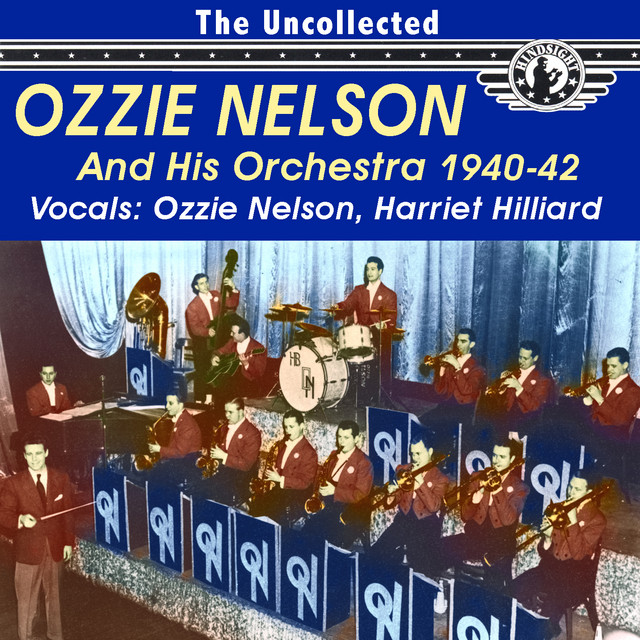
Ozzie Nelson & His Orchestra


Teddy Grace

The Three Peppers

The Three Keys / Bon Bon And His Buddies

The Three Keys
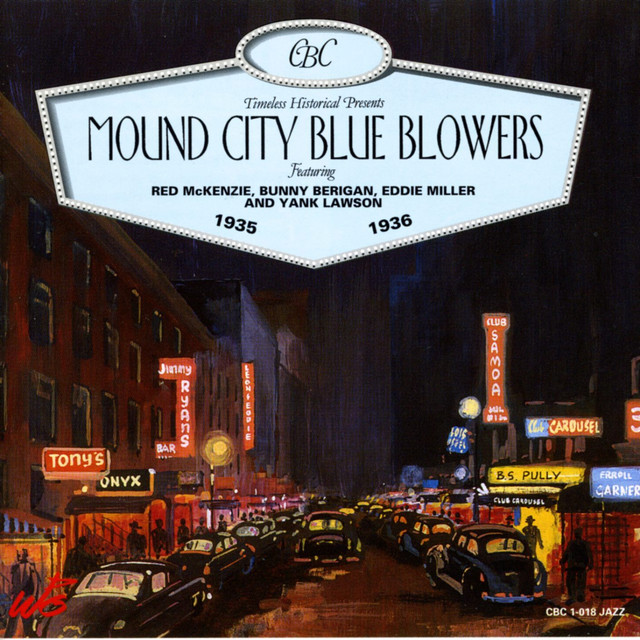
Mound City Blue Blowers

Red Norvo And His Orchestra
Marion Mann
Little Jack Little
Rex Stewart & His 52nd St. Stompers
Fats Waller & His Rhythm Five
Jerry Kruger and Her Knigts Of Rhythm
Jan Savitt
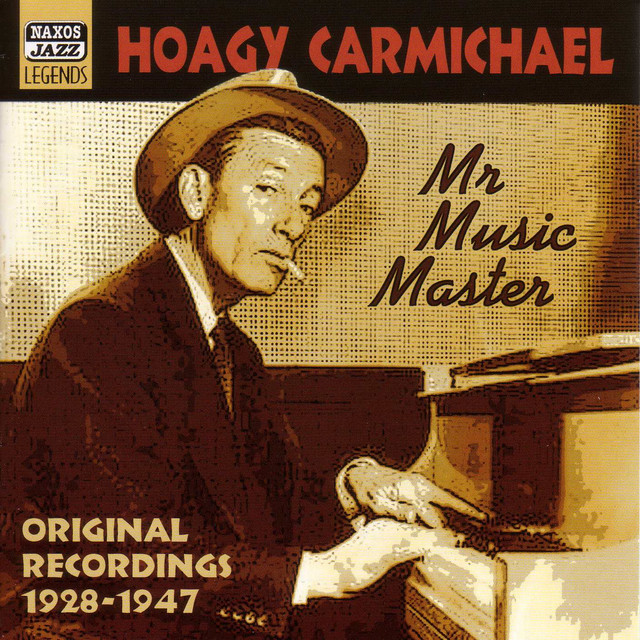
Hoagy Carmichael Orchestra

Fred Rich
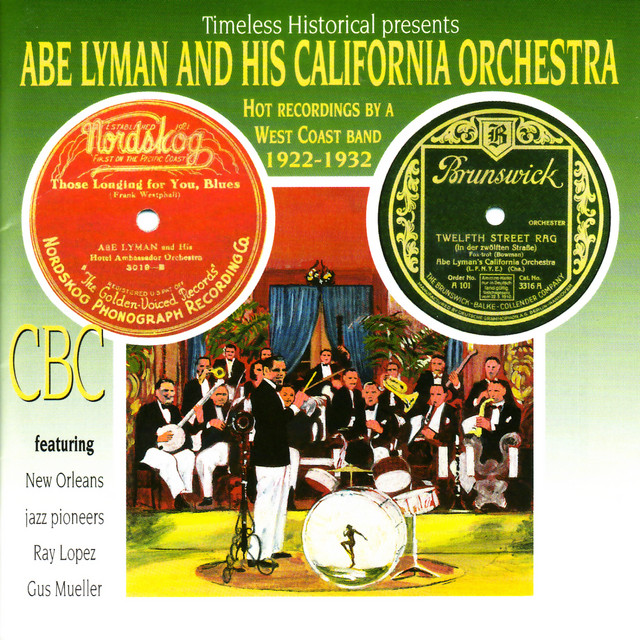
Abe Lyman


Eddie Condon and his Orchestra

Harry Roy
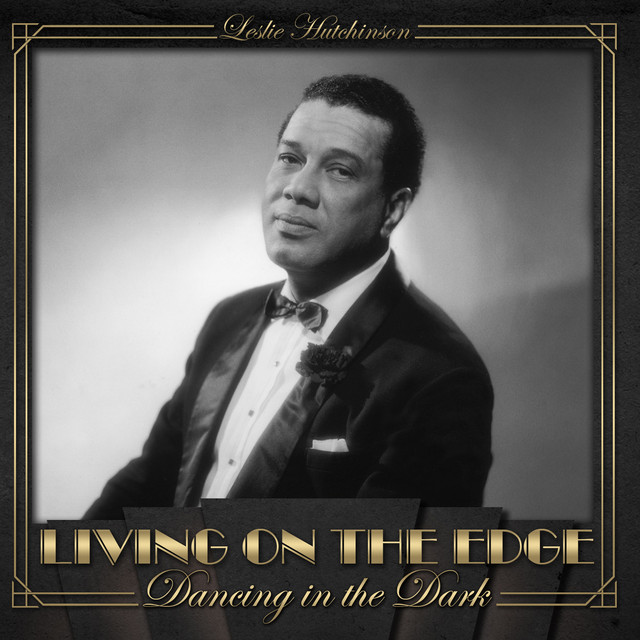
Leslie A. Hutchinson
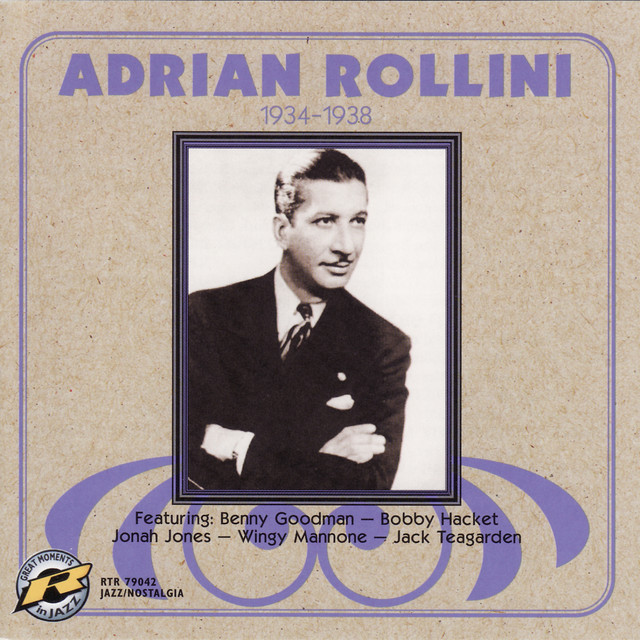
Adrian Rollini

Gus Arnheim

Horace Henderson & Fletcher Henderson
Willard Robison