Data may be outdated
Last updated: 1 month ago — Click refresh to get the latest statistics.
After graduating from college at the age of 20 with a music degree, Redman played for a year with Billy Paige's Broadway Syncopators and then met up with <a href="spotify:artist:2ovJLSejirvJybNers2YG6">Fletcher Henderson</a>. Redman became <a href="spotify:artist:2ovJLSejirvJybNers2YG6">Henderson</a>'s chief arranger (although <a href="spotify:artist:2ovJLSejirvJybNers2YG6">Fletcher</a> was often later on mistakenly given credit for the innovative charts) in addition to playing clarinet, alto, and (on at least one occasion) oboe. Redman, whose largely spoken vocals were charming, recorded the first ever scat vocal on "My Papa Doesn't Two Time" in early 1924, predating <a href="spotify:artist:19eLuQmk9aCobbVDHc6eek">Louis Armstrong</a>. Although his early arrangements were futuristic, they could be a bit stiff, and it was not until <a href="spotify:artist:19eLuQmk9aCobbVDHc6eek">Armstrong</a> joined <a href="spotify:artist:2ovJLSejirvJybNers2YG6">Henderson</a>'s orchestra that Redman (learning from the brilliant cornetist) began to really swing in his writing; "Sugar Foot Stomp" and "The Stampede" are two of his many classic charts.
It was a shock to <a href="spotify:artist:2ovJLSejirvJybNers2YG6">Fletcher Henderson</a> when Redman was persuaded in 1927 by <a href="spotify:artist:2rtPSgv5K948tiLuIFkXMQ">Jean Goldkette</a> to direct <a href="spotify:artist:5I3S4y3G5KQ6M5DUqxM3wD">McKinney's Cotton Pickers</a>. Redman soon turned the previously unknown group into a strong competitor of <a href="spotify:artist:2ovJLSejirvJybNers2YG6">Henderson</a>'s, composing such future standards as "Gee Baby, Ain't I Good to You" and "Cherry." He sang more, emphasized his alto over his more primitive sounding clarinet (guesting on some famous recordings with <a href="spotify:artist:19eLuQmk9aCobbVDHc6eek">Louis Armstrong's Savoy Ballroom Five</a> in 1928), and made a strong series of memorable records. In 1931, Redman put together his own big band which lasted (if not prospered) up until 1941. After that, he freelanced as an arranger for the remainder of the swing era, led an all-star orchestra in 1946 that became the first band to visit postwar Europe, and eventually became <a href="spotify:artist:2cskX7NGnrWMjA4PRSxVPL">Pearl Bailey</a>'s musical director. Although he recorded a few sessions in the late '50s, Don Redman's main significance is for his influential work of the 1920s and '30s. ~ Scott Yanow, Rovi
Monthly Listeners
2,085
Monthly Listeners History
Track the evolution of monthly listeners over the last 28 days.
Followers
2,573
Followers History
Track the evolution of followers over the last 28 days.
Total Streams
4.6 million
Total Streams History
Track the evolution of total streams over the last 28 days. This data is calculated from all tracks listed in the artist's discography.
Top Cities




Related Artists
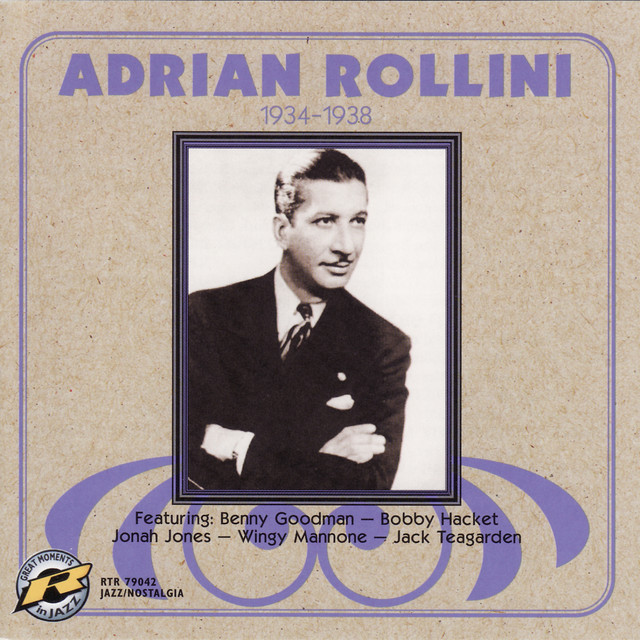
Adrian Rollini


Teddy Grace
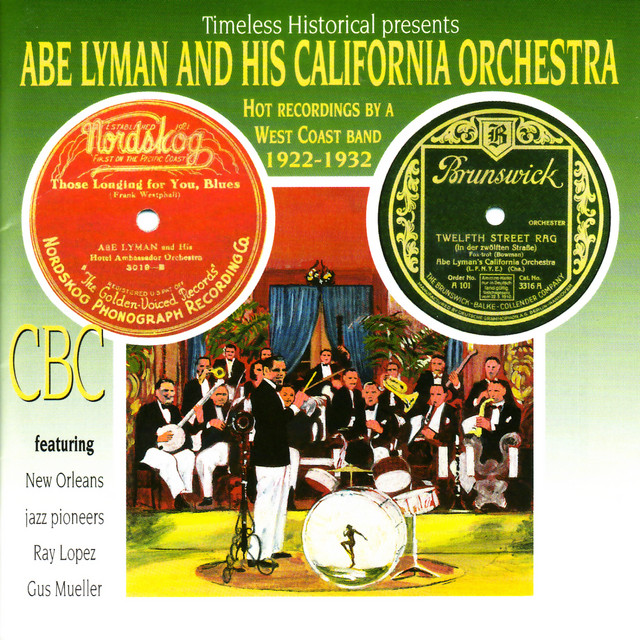
Abe Lyman
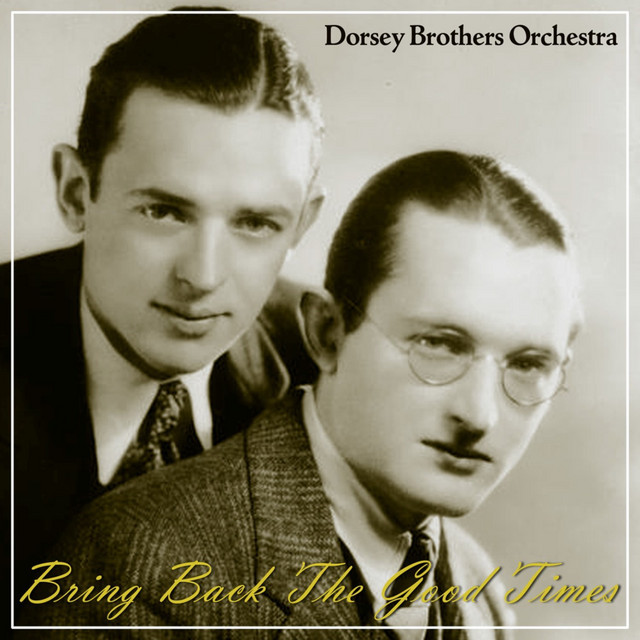
The Dorsey Brothers Orchestra

The California Ramblers

The Three Keys

Midge Williams

Ted Weems


Ipana Troubadours

Jean Goldkette & His Orchestra



Smith Ballew

Dick McDonough & His Orchestra



Bert Lown and His Hotel Biltmore Orchestra

Century Jukebox

Miff Mole





Jack Teagarden And His Orchestra
Ozzie Nelson and His Orchestra