Data may be outdated
Last updated: 9 months ago — Click refresh to get the latest statistics.
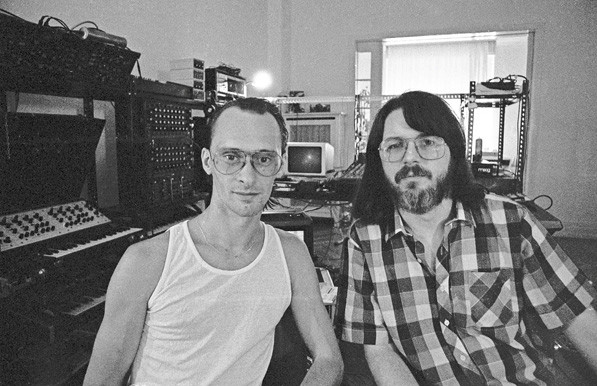
Beginning with the 1975 landmark Electronic Realizations for Rock Orchestra, Synergy explored the possibilities inherent in synthesizer/sequencer technology and digital-studio production techniques, resulting in some of the most inventive electronic music of the '70s. It was mostly the work of synthesizer expert <a href="spotify:artist:2TxykrNIaQV8U99krRJHG9">Larry Fast</a>, who also brought electronics to the mainstream by coordinating synthesized passages for dozens of pop acts during the '70s and '80s, including <a href="spotify:artist:7AC976RDJzL2asmZuz7qil">Yes</a>, <a href="spotify:artist:7C4sUpWGlTy7IANjruj02I">Peter Gabriel</a>, <a href="spotify:artist:7dnB1wSxbYa8CejeVg98hz">Meatloaf</a>, <a href="spotify:artist:7EK1bQADBoqbYXnT4Cqv9w">John Denver</a>, <a href="spotify:artist:7jmTilWYlKOuavFfmQAcu6">Barbra Streisand</a>, <a href="spotify:artist:77tT1kLj6mCWtFNqiOmP9H">Hall & Oates</a>, <a href="spotify:artist:1aSxMhuvixZ8h9dK9jIDwL">Kate Bush</a>, <a href="spotify:artist:6IRouO5mvvfcyxtPDKMYFN">Foreigner</a>, and <a href="spotify:artist:3HQyFCFFfJO3KKBlUfZsyW">Randy Newman</a>.
<a href="spotify:artist:2TxykrNIaQV8U99krRJHG9">Fast</a> grew up in West Essex, NJ and trained as a pianist and violinist before entering Lafayette College in Pennsylvania. After taking a few computer science courses, he became interested in synthesized music and began building his own primitive devices. He was introduced to <a href="spotify:artist:7AC976RDJzL2asmZuz7qil">Yes</a> keyboard player <a href="spotify:artist:0mkcYaXUbJUs5mJointuzB">Rick Wakeman</a> during an interview for a local radio station, and soon interested the musician in his home-made instruments and customized versions of existing synthesizers. While in England to assist <a href="spotify:artist:7AC976RDJzL2asmZuz7qil">Yes</a> in the recording of 1974's Tales from Topographic Oceans, <a href="spotify:artist:2TxykrNIaQV8U99krRJHG9">Fast</a> gained a record contract as well, with Passport Records.
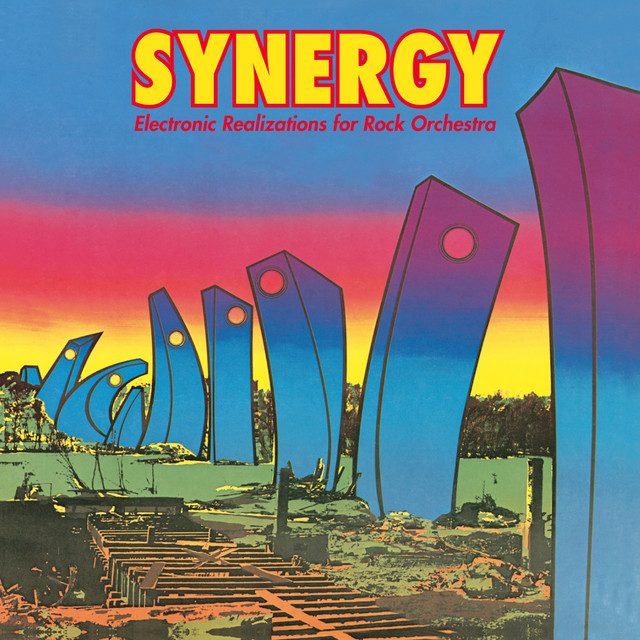
Recording as Synergy, <a href="spotify:artist:2TxykrNIaQV8U99krRJHG9">Fast</a> debuted in 1975 with Electronic Realizations for Rock Orchestra. The album became a surprise favorite with progressive radio, and was hailed by synthesizer pioneer <a href="spotify:artist:6zva1rxiPt9GZsMbUvXU0l">Robert Moog</a> as the most important recording to date using his Moog synthesizer. Soon after the album's release, <a href="spotify:artist:2TxykrNIaQV8U99krRJHG9">Fast</a> was introduced to <a href="spotify:artist:7C4sUpWGlTy7IANjruj02I">Peter Gabriel</a>, who had recently left <a href="spotify:artist:3CkvROUTQ6nRi9yQOcsB50">Genesis</a> and was about to begin his solo career; Gabriel recruited <a href="spotify:artist:2TxykrNIaQV8U99krRJHG9">Larry Fast</a> to take care of synthesized effects for his first three LPs (all were self-titled). Gabriel's success with the singles "Shock the Monkey," "Biko," and "Games Without Frontiers" gave <a href="spotify:artist:2TxykrNIaQV8U99krRJHG9">Fast</a> a growing reputation as the man to hire for that contemporary sound, even while he recorded three new Synergy LPs during the late '70s, <a href="spotify:artist:2TxykrNIaQV8U99krRJHG9">Fast</a> worked with a variety of artists and appeared on tour with Gabriel. He also provided the score for the original planetarium light show known as Laserium, and moved into film work (About Last Night, Planes, Trains and Automobiles) during the '80s. ~ John Bush, Rovi
<a href="spotify:artist:2TxykrNIaQV8U99krRJHG9">Fast</a> grew up in West Essex, NJ and trained as a pianist and violinist before entering Lafayette College in Pennsylvania. After taking a few computer science courses, he became interested in synthesized music and began building his own primitive devices. He was introduced to <a href="spotify:artist:7AC976RDJzL2asmZuz7qil">Yes</a> keyboard player <a href="spotify:artist:0mkcYaXUbJUs5mJointuzB">Rick Wakeman</a> during an interview for a local radio station, and soon interested the musician in his home-made instruments and customized versions of existing synthesizers. While in England to assist <a href="spotify:artist:7AC976RDJzL2asmZuz7qil">Yes</a> in the recording of 1974's Tales from Topographic Oceans, <a href="spotify:artist:2TxykrNIaQV8U99krRJHG9">Fast</a> gained a record contract as well, with Passport Records.
Recording as Synergy, <a href="spotify:artist:2TxykrNIaQV8U99krRJHG9">Fast</a> debuted in 1975 with Electronic Realizations for Rock Orchestra. The album became a surprise favorite with progressive radio, and was hailed by synthesizer pioneer <a href="spotify:artist:6zva1rxiPt9GZsMbUvXU0l">Robert Moog</a> as the most important recording to date using his Moog synthesizer. Soon after the album's release, <a href="spotify:artist:2TxykrNIaQV8U99krRJHG9">Fast</a> was introduced to <a href="spotify:artist:7C4sUpWGlTy7IANjruj02I">Peter Gabriel</a>, who had recently left <a href="spotify:artist:3CkvROUTQ6nRi9yQOcsB50">Genesis</a> and was about to begin his solo career; Gabriel recruited <a href="spotify:artist:2TxykrNIaQV8U99krRJHG9">Larry Fast</a> to take care of synthesized effects for his first three LPs (all were self-titled). Gabriel's success with the singles "Shock the Monkey," "Biko," and "Games Without Frontiers" gave <a href="spotify:artist:2TxykrNIaQV8U99krRJHG9">Fast</a> a growing reputation as the man to hire for that contemporary sound, even while he recorded three new Synergy LPs during the late '70s, <a href="spotify:artist:2TxykrNIaQV8U99krRJHG9">Fast</a> worked with a variety of artists and appeared on tour with Gabriel. He also provided the score for the original planetarium light show known as Laserium, and moved into film work (About Last Night, Planes, Trains and Automobiles) during the '80s. ~ John Bush, Rovi
Monthly Listeners
1,863
Monthly Listeners History
Track the evolution of monthly listeners over the last 28 days.
Followers
2,452
Followers History
Track the evolution of followers over the last 28 days.
Top Cities
33 listeners

31 listeners

28 listeners

21 listeners

18 listeners

Related Artists
Eddie Jobson

Roger Powell
Carlos Alomar
Mark Shreeve
Megabyte
Duncan Mackay

Wolfgang Bock

David Beal
Malcolm Ironton

The Enid


Charles Hornemann

Baffo Banfi

Eddie Chin

Führs & Fröhling

The Gordon Giltrap Band

Startled Insects

Lutz Rahn
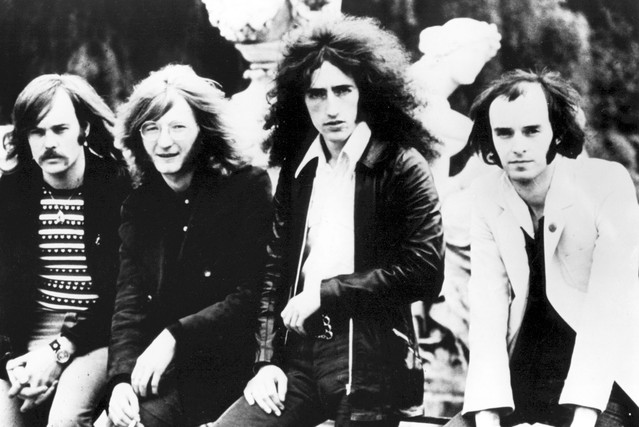
Peter Banks

Seventh Wave
Nicolo Bardoni