Last updated: 8 hours ago
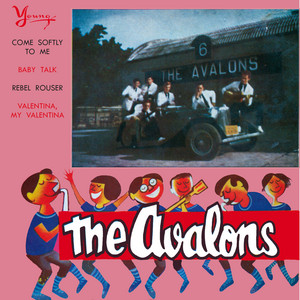
The Avalons emerged from the same vibrant (albeit incestuous) Newport News, VA, R&B scene that also yielded <a href="spotify:artist:2tqnmCENgz312npfr5POLe">the Five Keys</a>, the Leaders, and the Chateaus. According to Marv Goldberg's profile in the March 2002 issue of Discoveries, the group's roots lie in a versatile R&B and gospel group dubbed <a href="spotify:artist:6VtrGMVv6lZZmwoZ7qu8LR">the Chimes</a>, formed in 1947 by tenor/baritone Charles "Bobby" Crawley, tenor Ulysses Hicks, baritone Leroy Harris, and bass Bernard Purdie. Hicks resigned in 1948, later resurfacing in <a href="spotify:artist:2tqnmCENgz312npfr5POLe">the Five Keys</a>, and with new tenor Maryland Pierce, the group renamed itself the Four Bees, becoming a major favorite on the local nightclub circuit. When Pierce joined <a href="spotify:artist:2tqnmCENgz312npfr5POLe">the Five Keys</a> in 1950, erstwhile <a href="spotify:artist:2tqnmCENgz312npfr5POLe">Key</a> Edwin Wall replaced him in the Four Bees -- Harris also exited soon after, prompting the additions of tenors James Dozier and George Cox. When Wall left the group in early 1951, he was replaced by another <a href="spotify:artist:2tqnmCENgz312npfr5POLe">Five Keys</a> alum, tenor Rafael Ingram, and at this point the Four Bees rechristened themselves the Encores; the following year, the group toured Canada as part of The Silas Green Show R&B revue, so enjoying the Great White North that they spent about five years touring the nation's eastern provinces.
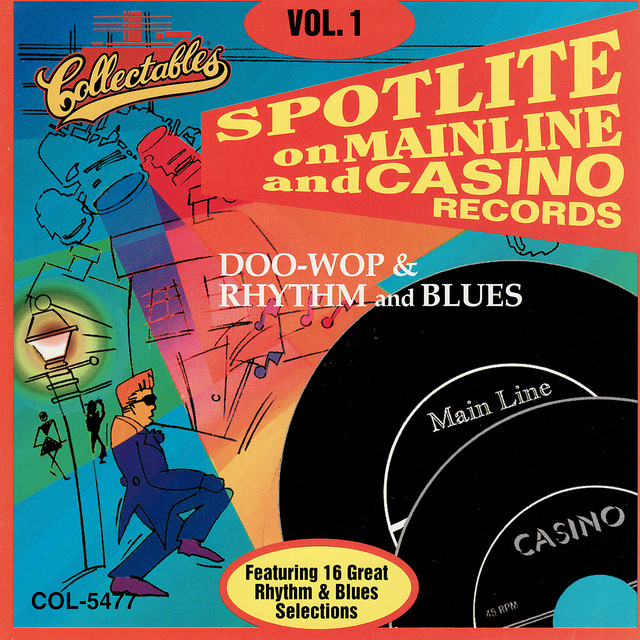
In the fall of 1955, they hired <a href="spotify:artist:2tqnmCENgz312npfr5POLe">Five Keys</a> manager Fanny Wolff to oversee their career as well, and almost immediately she won the group a deal with <a href="spotify:search:label%3A%22RCA%22">RCA</a>'s <a href="spotify:search:label%3A%22Groove%22">Groove</a> subsidiary, prompting one last name change to the Avalons. Just days before their first-ever recording session, Crawley's wife fell ill, so he was temporarily replaced by <a href="spotify:artist:5lOPf6fPyl2Tx1zubgt56b">the Cues</a>' Edward Barnes for the studio date -- although two songs were recorded, neither merited official release, and the Avalons returned to Canada in advance of their next session. This time Crawley assumed his rightful place and the gorgeous "Chains Around My Heart" was released in February 1956 -- "It's Funny But It's True" followed in October, but neither record was a hit and <a href="spotify:search:label%3A%22Groove%22">Groove</a> terminated their contract. The Avalons again decamped to Canada, releasing "You Are My Heart's Desire" on the tiny Canuck label Sandryon in 1958; a more polished version of the song, abbreviated to simply "Heart's Desire," appeared on <a href="spotify:search:label%3A%22Unart%22">Unart</a> about six months after the group split in the spring of 1958. Another unreleased session yielded "You Can Count on Me," released on <a href="spotify:search:label%3A%22Casino%22">Casino</a> in early 1959. In the meantime, Crawley returned to Newport News and joined <a href="spotify:artist:2tqnmCENgz312npfr5POLe">the Five Keys</a>, while Purdie later signed on with <a href="spotify:artist:6KWcxMWVNVIYbdOQyJtsSy">the Platters</a>. ~ Jason Ankeny, Rovi
Monthly Listeners
1,994
Monthly Listeners History
Track the evolution of monthly listeners over the last 28 days.
Followers
1,835
Followers History
Track the evolution of followers over the last 28 days.
Top Cities
84 listeners
31 listeners
26 listeners
25 listeners
25 listeners