Genre
doo-wop
Top Doo-wop Artists
Showing 25 of 2,830 artists


About Doo-wop
Doo-wop is a vocal harmony–driven music genre that emerged in the late 1940s and rose to national prominence in the United States during the mid-1950s. Born from African American street-corner singing, gospel-tinged R&B, and the urban romance of postwar youth culture, doo-wop fused simple melodies with tight ensemble singing and the playful use of intuition-grabbing syllables. The hallmark is a lead vocalist backed by a circle of falsetto and baritone voices delivering intricate, complementary harmonies, often weaving in “nonsense syllables” such as doo-wop, sha-boom, and bib-bab in rhythms that feel buoyant and propulsive.
The genre crystallized in the crowded basements, storefronts, and street corners of American cities like Harlem, the Bronx, Philadelphia, Baltimore, Chicago, and Detroit. Early pioneers experimented with a cappella textures before producers added minimal instrumental support, creating a sound that could be intimate and glimmering at once. By the early 1950s, a generation of vocal groups forged doo-wop’s template: a memorable lead line, a chorus that responds in close harmony, and a mood—often romantic and earnest—that felt both universal and freshly urban.
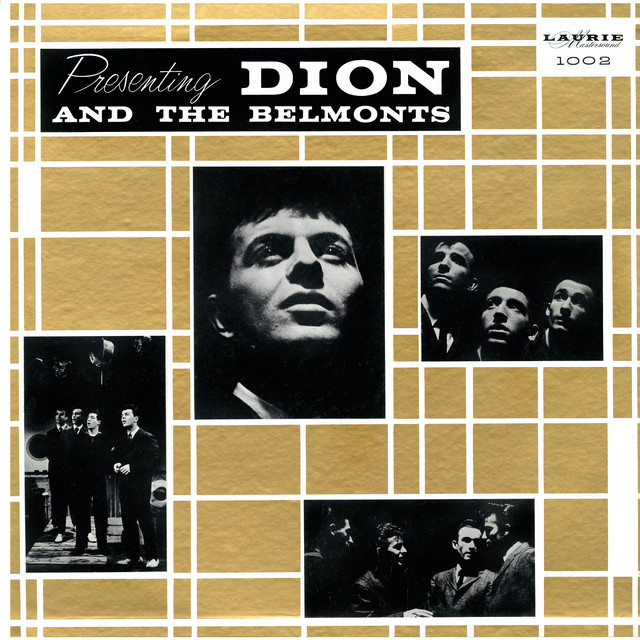
Key artists and ambassadors helped translate the street corner sound into national hits. The Orioles are frequently cited as among the earliest to elevate doo-wop’s vocal architecture, followed by a cascade of groups who turned the form into a commercial powerhouse. The Platters brought doo-wop into the mainstream with velvet-toned ballads like Only You and The Great Pretender. Frankie Lymon & the Teenagers delivered youth-anthem energy with Why Do Fools Fall in Love and Why Do Fools Fall in Love, while Dion and the Belmonts, the Five Satins, the Flamingos, the Penguins, the Coasters, the Drifters, and the Skyliners each contributed signature records that expanded the repertoire and vocabulary of the genre. The results were songs that could be intimate and cinematic, simple in arrangement but rich in human emotion.
Doo-wop’s instrumentation was intentionally economical. Early tracks often relied on voice as the primary instrument, with piano, guitar, bass, and occasional light percussion providing supportive textures. Over time, producers layered strings, brushed drums, and subtle electric bass, yet the essence remained vocal-led. The lyrics centered on love, longing, heartbreak, and adolescent dreams—universal themes wrapped in specific urban textures that gave the music its bite and charm.
Its popularity was strongest in the United States, especially among Black and mixed audiences in big cities, but doo-wop also found international life. In the later 1950s and beyond, it inspired revival scenes in the United Kingdom and continental Europe, and resurfaced in Japan and other parts of Asia via compilations, covers, and nostalgic festivals. Today, doo-wop endures as a foundational influence on rhythm and blues, soul, and early rock and roll, celebrated by enthusiasts in retro performances, archival releases, and scholarly retrospectives.
For music lovers, doo-wop offers more than nostalgia: it showcases the power of group singing to carry emotion, storytelling through harmonic conversation, and a stylistic bridge between gospel, jazz-inflected pop, and the earliest chapters of rock. Its captivation lies in how a handful of voices can convey longing with clarity and warmth, turning everyday street-corner harmonies into timeless records.
The genre crystallized in the crowded basements, storefronts, and street corners of American cities like Harlem, the Bronx, Philadelphia, Baltimore, Chicago, and Detroit. Early pioneers experimented with a cappella textures before producers added minimal instrumental support, creating a sound that could be intimate and glimmering at once. By the early 1950s, a generation of vocal groups forged doo-wop’s template: a memorable lead line, a chorus that responds in close harmony, and a mood—often romantic and earnest—that felt both universal and freshly urban.
Key artists and ambassadors helped translate the street corner sound into national hits. The Orioles are frequently cited as among the earliest to elevate doo-wop’s vocal architecture, followed by a cascade of groups who turned the form into a commercial powerhouse. The Platters brought doo-wop into the mainstream with velvet-toned ballads like Only You and The Great Pretender. Frankie Lymon & the Teenagers delivered youth-anthem energy with Why Do Fools Fall in Love and Why Do Fools Fall in Love, while Dion and the Belmonts, the Five Satins, the Flamingos, the Penguins, the Coasters, the Drifters, and the Skyliners each contributed signature records that expanded the repertoire and vocabulary of the genre. The results were songs that could be intimate and cinematic, simple in arrangement but rich in human emotion.
Doo-wop’s instrumentation was intentionally economical. Early tracks often relied on voice as the primary instrument, with piano, guitar, bass, and occasional light percussion providing supportive textures. Over time, producers layered strings, brushed drums, and subtle electric bass, yet the essence remained vocal-led. The lyrics centered on love, longing, heartbreak, and adolescent dreams—universal themes wrapped in specific urban textures that gave the music its bite and charm.
Its popularity was strongest in the United States, especially among Black and mixed audiences in big cities, but doo-wop also found international life. In the later 1950s and beyond, it inspired revival scenes in the United Kingdom and continental Europe, and resurfaced in Japan and other parts of Asia via compilations, covers, and nostalgic festivals. Today, doo-wop endures as a foundational influence on rhythm and blues, soul, and early rock and roll, celebrated by enthusiasts in retro performances, archival releases, and scholarly retrospectives.
For music lovers, doo-wop offers more than nostalgia: it showcases the power of group singing to carry emotion, storytelling through harmonic conversation, and a stylistic bridge between gospel, jazz-inflected pop, and the earliest chapters of rock. Its captivation lies in how a handful of voices can convey longing with clarity and warmth, turning everyday street-corner harmonies into timeless records.