Data may be outdated
Last updated: 7 months ago — Click refresh to get the latest statistics.
Despite notching a series of hits between the early 1950s and early '60s, the Chosen Gospel Singers remain one of the most elusive groups of gospel's golden era -- plagued by constant lineup changes, the ensemble's proper history remains sketchy at best, and even the exact involvement of their most famous alumnus, <a href="spotify:artist:1zJBFCev9UwOMcrZsLi2od">Lou Rawls</a>, is something of a mystery. It's known that the Chosen Gospel Singers were formed in Houston in 1950, and originally consisted of J.B. Randall, Aaron Wyatt, Willie Rose, and two shadowy figures later recalled by their surnames of "Sheridan" and "Files". On the advice of manager Joe Johnson, himself a founding member of <a href="spotify:artist:54UWE0GEGeDvmogsLJXqNJ">the Pilgrim Travelers</a>, the group soon relocated to Los Angeles; upon arriving on the West Coast, the first of countless roster fluctuations struck, and in seemingly no time, <a href="spotify:artist:4mYk8gifGkqzxubkro5GJU">Randall</a> was the only surviving original member.
Tenors E.J. Brumfield, George Butler, and Fred Sims, in addition to baritone Oscar Cook, were soon recruited to flesh out <a href="spotify:artist:0S96v5UXUohZd31g8plQLt">the Chosen</a> lineup, and in November 1952 this quintet made their first recordings for the Specialty label, yielding the hit single "One-Two-Three." (<a href="spotify:artist:0QYN2PJUwq49cW3T75KXCG">Ted Taylor</a>, later a soul singer of some renown, was also briefly a member during this same period, although he did not appear on record.) The steady personnel shifts have been attributed in large part to the group's status as a semi-professional venture -- <a href="spotify:artist:0S96v5UXUohZd31g8plQLt">the Chosen</a>'s grueling weekend touring schedules played havoc with the individual members' day jobs, and for many, the frustrations of constant firings ultimately ended in rejecting music in favor of finding steady work. Additionally, many had family commitments which made touring outside of the West Coast impossible.
When <a href="spotify:artist:0S96v5UXUohZd31g8plQLt">the Chosen</a> went back into the studio in mid-1953, only <a href="spotify:artist:4mYk8gifGkqzxubkro5GJU">Randall</a> remained from the previous incarnation; his new collaborators included low tenors John Evans, J.T. "Rattler" Ratley, and Preston Whitted, and baritone Sam Thomas. During a subsequent tour stop in Chicago, they recruited 17-year-old lead vocalist <a href="spotify:artist:1zJBFCev9UwOMcrZsLi2od">Lou Rawls</a>, already a gospel veteran through his work with the Teenage Kings of Harmony, the Holy Wonders, and <a href="spotify:artist:5Ezw2ymWXE0fbZPuxyx2nY">the Highway QC's</a>. In February 1954, <a href="spotify:artist:7vuXCITiRilCLfuySIgZKM">Rawls</a> made his first recordings as a Chosen Gospel Singer; another session followed just two months later, but in the interim, both <a href="spotify:artist:4jXfFzeP66Zy67HM2mvIIF">Evans</a> and Ratley apparently exited the ranks. Also gone was <a href="spotify:artist:4mYk8gifGkqzxubkro5GJU">Randall</a>, the sole remaining link to the group's origins; he was replaced by Raeford Blair. There is some evidence that E.J. Booker, later of <a href="spotify:artist:54UWE0GEGeDvmogsLJXqNJ">the Pilgrim Travelers</a>, was also in the group at this juncture, although other accounts deny such a claim.
<a href="spotify:artist:7vuXCITiRilCLfuySIgZKM">Rawls</a> joined the Army prior to <a href="spotify:artist:0S96v5UXUohZd31g8plQLt">the Chosen</a>'s final Specialty session, recorded in early 1955; he was replaced by Brooklyn native Bob Crutcher for the studio date, which generated the hit "Prayer for the Doomed." Later that year, <a href="spotify:artist:0S96v5UXUohZd31g8plQLt">the Chosen</a> signed with the <a href="spotify:search:label%3A%22Nashboro%22">Nashboro</a> label; Crutcher remained in the lead slot, with <a href="spotify:artist:75AXKFwUBuZlcDyFgUJzNG">Tommy Ellison</a> of <a href="spotify:artist:3N9k7OPz9EUmmsyKjld8t5">the Harmonizing Four</a> soon joining him at the helm. <a href="spotify:artist:7vuXCITiRilCLfuySIgZKM">Rawls</a> resurfaced on their fourth <a href="spotify:search:label%3A%22Nashboro%22">Nashboro</a> single, "Walk with Me," which may or may not have been first cut prior to his military tenure; both Sims and Brumfield definitely returned to action, however, with the latter fronting the final incarnation of <a href="spotify:artist:0S96v5UXUohZd31g8plQLt">the Chosen</a>, a lineup which also included the members of a Tyler, TX quartet led by singer <a href="spotify:artist:5tAx7UmcjBMU7y8r3mABI2">Willie Neal Johnson</a> known as <a href="spotify:artist:5jfyYSN9A8N1lnTAhvvsYU">the Gospel Keynotes</a>. When Brumfield quit soon after, he handed the reins to Johnson, who restored the name to <a href="spotify:artist:5jfyYSN9A8N1lnTAhvvsYU">the Gospel Keynotes</a>, bringing <a href="spotify:artist:0S96v5UXUohZd31g8plQLt">the Chosen</a>'s convoluted story to a close. ~ Jason Ankeny, Rovi
Tenors E.J. Brumfield, George Butler, and Fred Sims, in addition to baritone Oscar Cook, were soon recruited to flesh out <a href="spotify:artist:0S96v5UXUohZd31g8plQLt">the Chosen</a> lineup, and in November 1952 this quintet made their first recordings for the Specialty label, yielding the hit single "One-Two-Three." (<a href="spotify:artist:0QYN2PJUwq49cW3T75KXCG">Ted Taylor</a>, later a soul singer of some renown, was also briefly a member during this same period, although he did not appear on record.) The steady personnel shifts have been attributed in large part to the group's status as a semi-professional venture -- <a href="spotify:artist:0S96v5UXUohZd31g8plQLt">the Chosen</a>'s grueling weekend touring schedules played havoc with the individual members' day jobs, and for many, the frustrations of constant firings ultimately ended in rejecting music in favor of finding steady work. Additionally, many had family commitments which made touring outside of the West Coast impossible.
When <a href="spotify:artist:0S96v5UXUohZd31g8plQLt">the Chosen</a> went back into the studio in mid-1953, only <a href="spotify:artist:4mYk8gifGkqzxubkro5GJU">Randall</a> remained from the previous incarnation; his new collaborators included low tenors John Evans, J.T. "Rattler" Ratley, and Preston Whitted, and baritone Sam Thomas. During a subsequent tour stop in Chicago, they recruited 17-year-old lead vocalist <a href="spotify:artist:1zJBFCev9UwOMcrZsLi2od">Lou Rawls</a>, already a gospel veteran through his work with the Teenage Kings of Harmony, the Holy Wonders, and <a href="spotify:artist:5Ezw2ymWXE0fbZPuxyx2nY">the Highway QC's</a>. In February 1954, <a href="spotify:artist:7vuXCITiRilCLfuySIgZKM">Rawls</a> made his first recordings as a Chosen Gospel Singer; another session followed just two months later, but in the interim, both <a href="spotify:artist:4jXfFzeP66Zy67HM2mvIIF">Evans</a> and Ratley apparently exited the ranks. Also gone was <a href="spotify:artist:4mYk8gifGkqzxubkro5GJU">Randall</a>, the sole remaining link to the group's origins; he was replaced by Raeford Blair. There is some evidence that E.J. Booker, later of <a href="spotify:artist:54UWE0GEGeDvmogsLJXqNJ">the Pilgrim Travelers</a>, was also in the group at this juncture, although other accounts deny such a claim.
<a href="spotify:artist:7vuXCITiRilCLfuySIgZKM">Rawls</a> joined the Army prior to <a href="spotify:artist:0S96v5UXUohZd31g8plQLt">the Chosen</a>'s final Specialty session, recorded in early 1955; he was replaced by Brooklyn native Bob Crutcher for the studio date, which generated the hit "Prayer for the Doomed." Later that year, <a href="spotify:artist:0S96v5UXUohZd31g8plQLt">the Chosen</a> signed with the <a href="spotify:search:label%3A%22Nashboro%22">Nashboro</a> label; Crutcher remained in the lead slot, with <a href="spotify:artist:75AXKFwUBuZlcDyFgUJzNG">Tommy Ellison</a> of <a href="spotify:artist:3N9k7OPz9EUmmsyKjld8t5">the Harmonizing Four</a> soon joining him at the helm. <a href="spotify:artist:7vuXCITiRilCLfuySIgZKM">Rawls</a> resurfaced on their fourth <a href="spotify:search:label%3A%22Nashboro%22">Nashboro</a> single, "Walk with Me," which may or may not have been first cut prior to his military tenure; both Sims and Brumfield definitely returned to action, however, with the latter fronting the final incarnation of <a href="spotify:artist:0S96v5UXUohZd31g8plQLt">the Chosen</a>, a lineup which also included the members of a Tyler, TX quartet led by singer <a href="spotify:artist:5tAx7UmcjBMU7y8r3mABI2">Willie Neal Johnson</a> known as <a href="spotify:artist:5jfyYSN9A8N1lnTAhvvsYU">the Gospel Keynotes</a>. When Brumfield quit soon after, he handed the reins to Johnson, who restored the name to <a href="spotify:artist:5jfyYSN9A8N1lnTAhvvsYU">the Gospel Keynotes</a>, bringing <a href="spotify:artist:0S96v5UXUohZd31g8plQLt">the Chosen</a>'s convoluted story to a close. ~ Jason Ankeny, Rovi
Monthly Listeners
1,287
Monthly Listeners History
Track the evolution of monthly listeners over the last 28 days.
Followers
2,698
Followers History
Track the evolution of followers over the last 28 days.
Top Cities
22 listeners

15 listeners
15 listeners

12 listeners
11 listeners
Related Artists


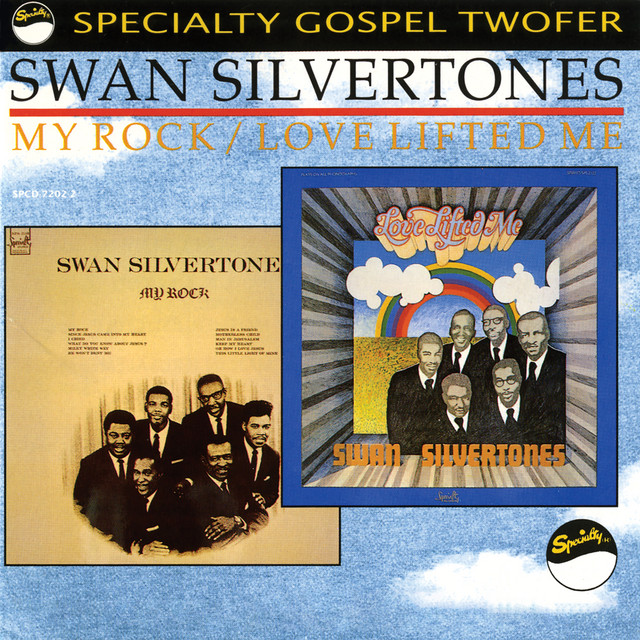
Swan Silvertones
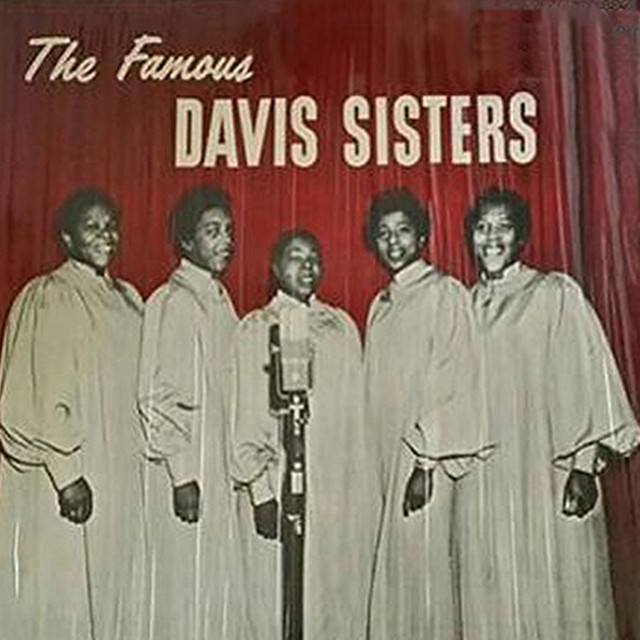
The Famous Davis Sisters
Bill Landford
The Sensational Nightengales


The CBS Trumpeteers
Viola James
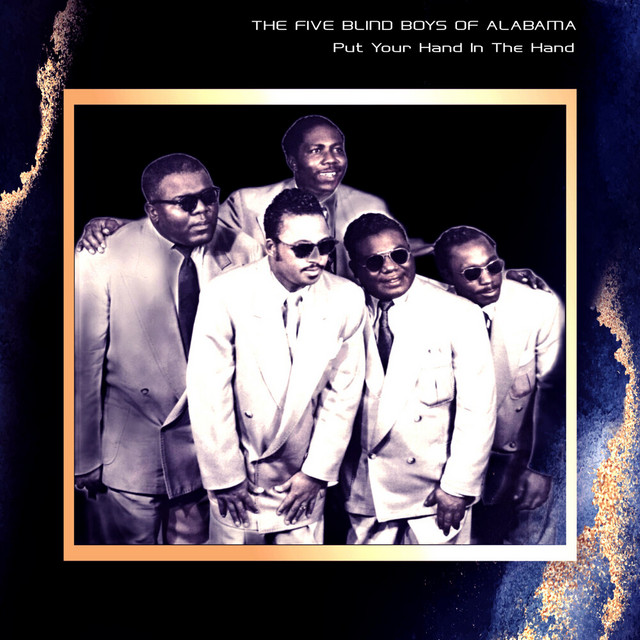
The Five Blind Boys of Alabama
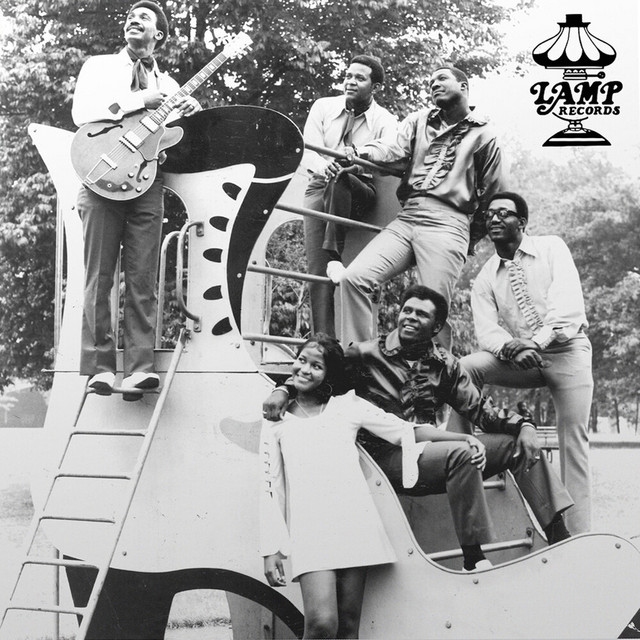

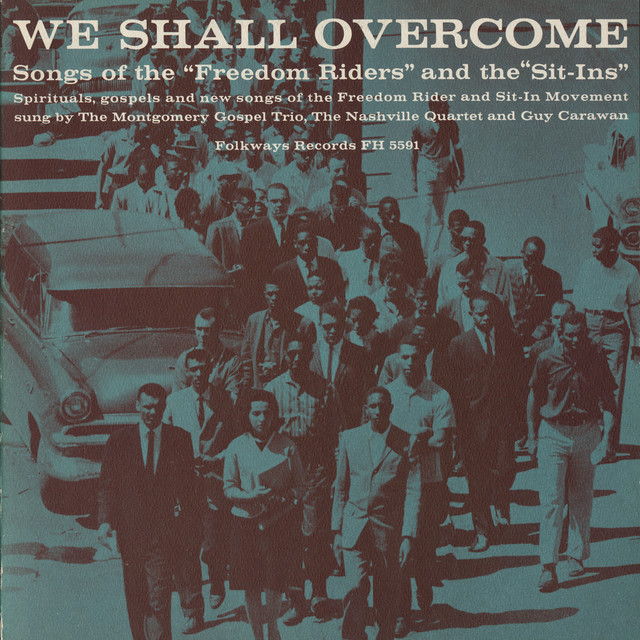
Montgomery Gospel Trio
Mattie Wigley


Hightower Brothers
James Shorty
James Shorty & Viola James

The Original Blind Boys Of Alabama
Bernice McClellan

Pilgrim Jubilee Singers


The Radio Four