Data may be outdated
Last updated: 7 months ago — Click refresh to get the latest statistics.
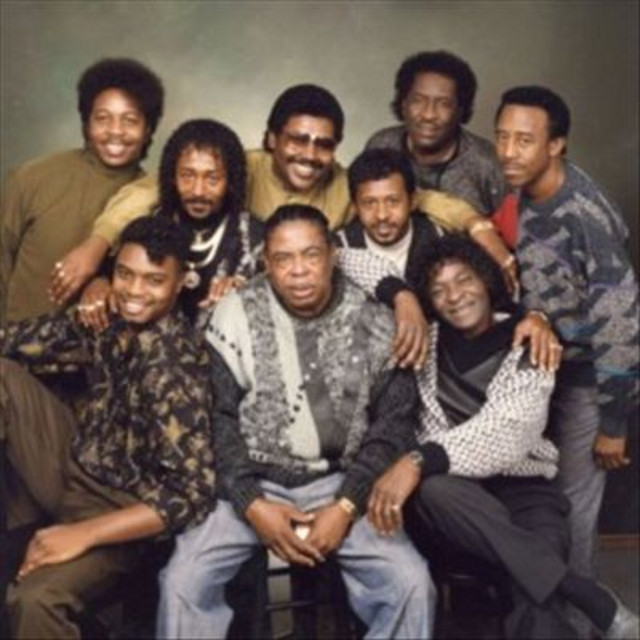
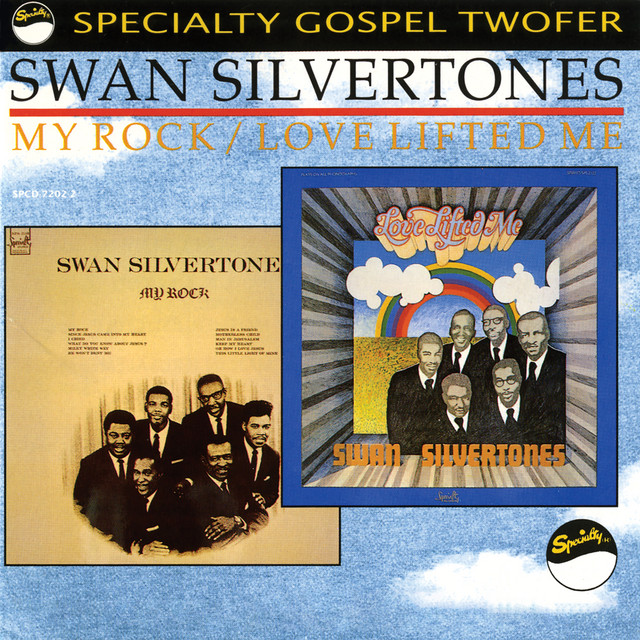
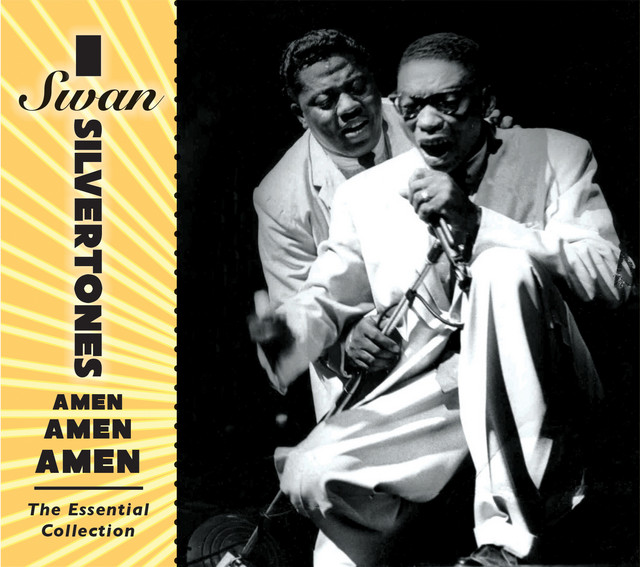
The Swan Silvertones are a premier gospel group and one of the great music experiences awaiting anyone who has never heard them. If you are not a fan of gospel music or "religious" music of any kind, don't let that fact deter you from having this unique listening experience. This is pure music at the highest level.
The a cappella quartet Four Harmony Kings was created by tenor <a href="spotify:artist:5d8Swwx0pEd84rkf4MAMeq">Claude Jeter</a> in 1938 in Coalwood, WV, but the name was changed to the Swan Silvertones when they began a 15-minute radio show sponsored by the Swan Bakery Company on the Knoxville station WBIR in 1942. They developed a national reputation during their contract with King Records from 1946 to 1951, recording some 21 recordings (mostly in the jubilee gospel style) including "I Cried Holy" and "Go Ahead." They joined Specialty Records from 1951 to 1953, but issued only four singles (in a more contemporary, harder style) before they were dropped by that label. The early group had lead singers <a href="spotify:artist:5d8Swwx0pEd84rkf4MAMeq">Jeter</a> and Solomon Womack, tenors Robert Crenshaw and John Manson, baritone John H. Myles, and bass Henry K. Bossard.
They really came into their own when they signed and recorded with Vee-Jay and recorded with that label from 1956 through 1964. The smoother Vee-Jay sound is probably due to arranger Paul Owens, who joined the group in 1952. Influenced by vocal jazz groups like <a href="spotify:artist:7eAF64ZiDwK2rDPSrr97D9">the Four Freshmen</a> and <a href="spotify:artist:2kWLLhh4T2mAW9kYuVbd7k">the Hi-Los</a>, <a href="spotify:artist:2FMZn5P3WATd7Il6FgPJNu">Owens</a> smoothed out the sound and made it more contemporary, even progressive. Starting in 1956, the group began adding instruments to what had been up until then a purely vocal or a cappella sound. The excellent guitarist Linwood Hargrove added greatly to the emerging Vee-Jay sound and the additions (on recordings) of jazz sidemen <a href="spotify:artist:3K4JRC7kRVAJoD9py8Rup6">Bob Cranshaw</a> on bass and <a href="spotify:artist:5AV0QrpCDMwYa0qI5qLnvl">Walter Perkins</a> -- founding members of <a href="spotify:artist:1lyCDYAYsVYALIu9y4uIOw">MJT (3)</a> -- on drums completed the sound.
Perhaps their greatest hit was "Oh Mary Don't You Weep," released in 1959 -- an incredible listening experience. It is in this song that <a href="spotify:artist:5d8Swwx0pEd84rkf4MAMeq">Claude Jeter</a> intones the phrase "I'll be a bridge over deep water, if you trust in my name" that inspired <a href="spotify:artist:2CvCyf1gEVhI0mX6aFXmVI">Paul Simon</a> to compose "Bridge Over Troubled Water" some years later. The Swan Silvertones had a great effect on many rock (<a href="spotify:artist:49JvZ17o0VaAmXaJv5kZlv">Al Kooper</a>) and country (<a href="spotify:artist:3KmQJ2e3T7Gn1UurVpReXs">Gary Stewart</a>) artists. During their nine years at Vee-Jay, the main members of the group were tenor (and falsetto) <a href="spotify:artist:5d8Swwx0pEd84rkf4MAMeq">Claude Jeter</a>, baritone John H. Myles, tenor Paul Owens, and bass William Conner. Other singers who were in the group during that time were tenors Dewey Young, Robert Crutcher, and <a href="spotify:artist:3V7upFmJ6hl8Ue86qyskFm">Louis Johnson</a>. When Vee-Jay closed in 1965, the group moved to Hob Records, where they did one last album before <a href="spotify:artist:5d8Swwx0pEd84rkf4MAMeq">Claude Jeter</a> left to record on his own and focus on his ministry. ~ Michael Erlewine, Rovi
The a cappella quartet Four Harmony Kings was created by tenor <a href="spotify:artist:5d8Swwx0pEd84rkf4MAMeq">Claude Jeter</a> in 1938 in Coalwood, WV, but the name was changed to the Swan Silvertones when they began a 15-minute radio show sponsored by the Swan Bakery Company on the Knoxville station WBIR in 1942. They developed a national reputation during their contract with King Records from 1946 to 1951, recording some 21 recordings (mostly in the jubilee gospel style) including "I Cried Holy" and "Go Ahead." They joined Specialty Records from 1951 to 1953, but issued only four singles (in a more contemporary, harder style) before they were dropped by that label. The early group had lead singers <a href="spotify:artist:5d8Swwx0pEd84rkf4MAMeq">Jeter</a> and Solomon Womack, tenors Robert Crenshaw and John Manson, baritone John H. Myles, and bass Henry K. Bossard.
They really came into their own when they signed and recorded with Vee-Jay and recorded with that label from 1956 through 1964. The smoother Vee-Jay sound is probably due to arranger Paul Owens, who joined the group in 1952. Influenced by vocal jazz groups like <a href="spotify:artist:7eAF64ZiDwK2rDPSrr97D9">the Four Freshmen</a> and <a href="spotify:artist:2kWLLhh4T2mAW9kYuVbd7k">the Hi-Los</a>, <a href="spotify:artist:2FMZn5P3WATd7Il6FgPJNu">Owens</a> smoothed out the sound and made it more contemporary, even progressive. Starting in 1956, the group began adding instruments to what had been up until then a purely vocal or a cappella sound. The excellent guitarist Linwood Hargrove added greatly to the emerging Vee-Jay sound and the additions (on recordings) of jazz sidemen <a href="spotify:artist:3K4JRC7kRVAJoD9py8Rup6">Bob Cranshaw</a> on bass and <a href="spotify:artist:5AV0QrpCDMwYa0qI5qLnvl">Walter Perkins</a> -- founding members of <a href="spotify:artist:1lyCDYAYsVYALIu9y4uIOw">MJT (3)</a> -- on drums completed the sound.
Perhaps their greatest hit was "Oh Mary Don't You Weep," released in 1959 -- an incredible listening experience. It is in this song that <a href="spotify:artist:5d8Swwx0pEd84rkf4MAMeq">Claude Jeter</a> intones the phrase "I'll be a bridge over deep water, if you trust in my name" that inspired <a href="spotify:artist:2CvCyf1gEVhI0mX6aFXmVI">Paul Simon</a> to compose "Bridge Over Troubled Water" some years later. The Swan Silvertones had a great effect on many rock (<a href="spotify:artist:49JvZ17o0VaAmXaJv5kZlv">Al Kooper</a>) and country (<a href="spotify:artist:3KmQJ2e3T7Gn1UurVpReXs">Gary Stewart</a>) artists. During their nine years at Vee-Jay, the main members of the group were tenor (and falsetto) <a href="spotify:artist:5d8Swwx0pEd84rkf4MAMeq">Claude Jeter</a>, baritone John H. Myles, tenor Paul Owens, and bass William Conner. Other singers who were in the group during that time were tenors Dewey Young, Robert Crutcher, and <a href="spotify:artist:3V7upFmJ6hl8Ue86qyskFm">Louis Johnson</a>. When Vee-Jay closed in 1965, the group moved to Hob Records, where they did one last album before <a href="spotify:artist:5d8Swwx0pEd84rkf4MAMeq">Claude Jeter</a> left to record on his own and focus on his ministry. ~ Michael Erlewine, Rovi
Monthly Listeners
12,937
Monthly Listeners History
Track the evolution of monthly listeners over the last 28 days.
Followers
8,699
Followers History
Track the evolution of followers over the last 28 days.
Top Cities
357 listeners

183 listeners
178 listeners
163 listeners
161 listeners
Related Artists



Swan Silvertones





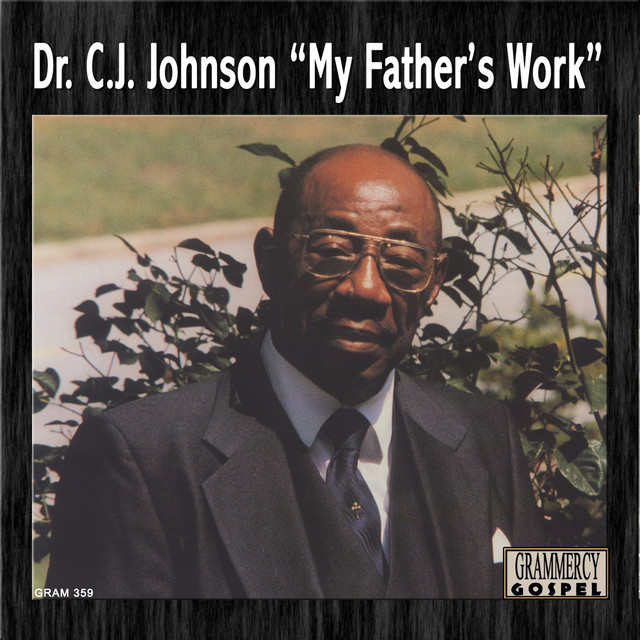
Dr. C.J. Johnson
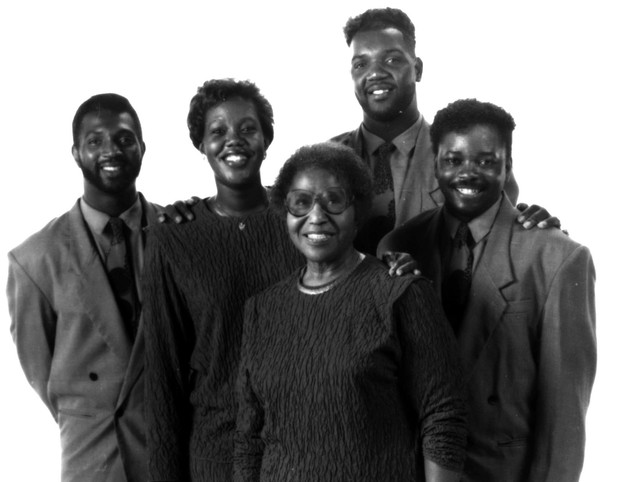

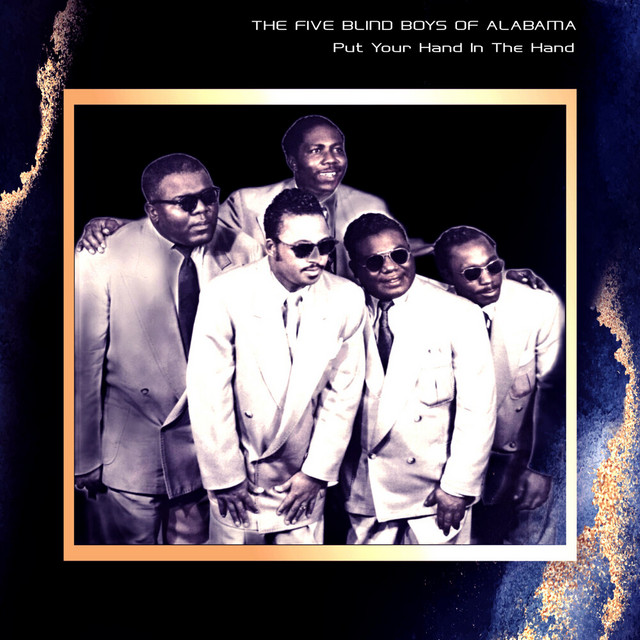
The Five Blind Boys of Alabama