Data may be outdated
Last updated: 1 month ago — Click refresh to get the latest statistics.
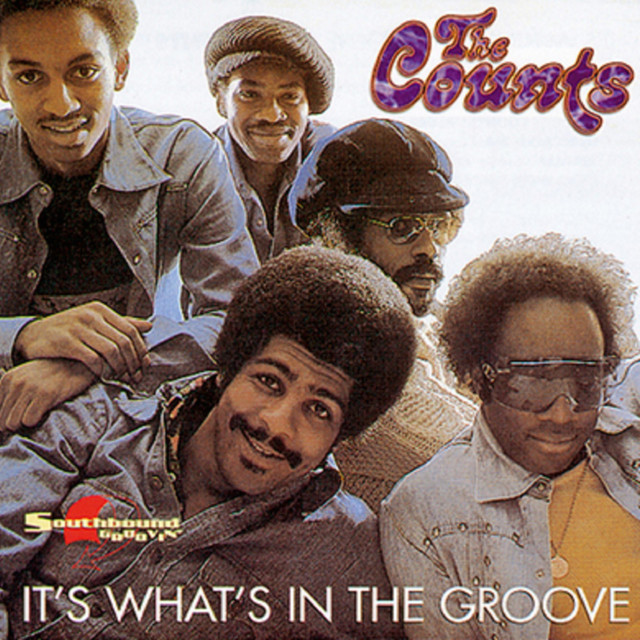
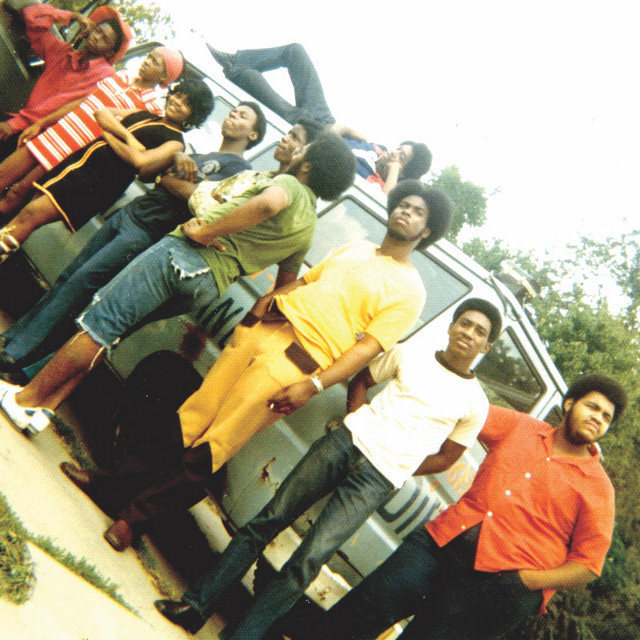
Originally a Detroit-based sextet, the Counts' first LP was an instrumental outing on Cotillion, with noted Michigan producer Ollie McLaughlin taking the co-writing credits on all of the songs. A few years later, the group moved to Atlanta, paring down to a quartet by the time they recorded the Love Sign album for the Aware label in 1973. An expanded lineup recorded the Funk Pump album for the same company in 1975; the two Aware albums formed the basis for CD reissues of the Counts' work in the mid-'90s, when their brand of soul-funk-jazz was becoming hip again. ~ Richie Unterberger, Rovi
Monthly Listeners
31,578
Monthly Listeners History
Track the evolution of monthly listeners over the last 28 days.
Followers
2,730
Followers History
Track the evolution of followers over the last 28 days.
Total Streams
3.6 million
Total Streams History
Track the evolution of total streams over the last 28 days. This data is calculated from all tracks listed in the artist's discography.
Top Cities



Related Artists




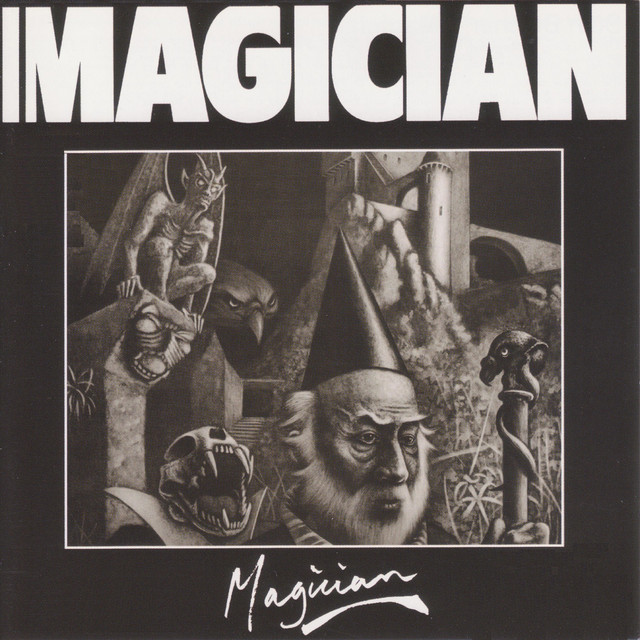
Magician

ZEROSEN