Data may be outdated
Last updated: 9 months ago — Click refresh to get the latest statistics.
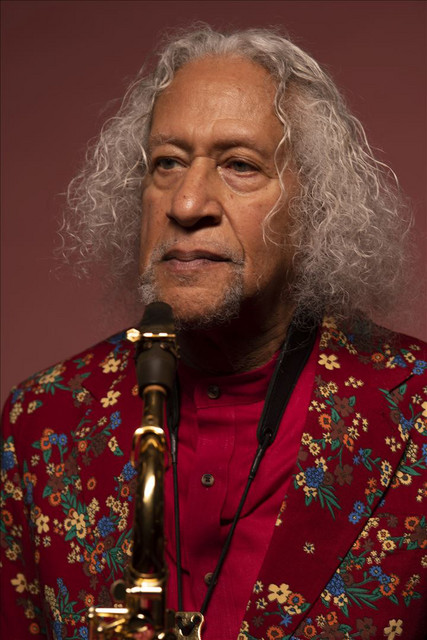
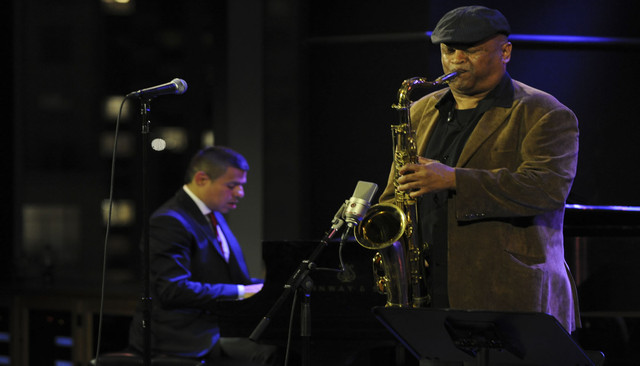
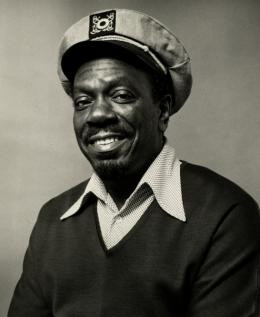
Detroit's Wendell Harrison is an award-winning saxophonist, clarinetist, composer, and bandleader. With <a href="spotify:artist:3baRh0WashSSiDbLNEHar1">Phil Ranelin</a> he co-founded the <a href="spotify:artist:6aFSqttZR8RR360Ae49NTW">Tribe</a> in 1971. Their acclaimed albums included 1972's Message from the Tribe and Harrison's 1973 classic An Evening with the Devil. Harrison founded the <a href="spotify:search:label%3A%22Wen-Ha%22">Wen-Ha</a> and <a href="spotify:search:label%3A%22Rebirth%22">Rebirth</a> labels. Dreams of a Love Supreme appeared in 1980. 1993's Something for Pops was recorded with <a href="spotify:artist:1tTagXJmj9nlvoUdjZXvXi">Harold McKinney</a>. <a href="spotify:artist:17dbJyUCrxh4I7iyUrjaHU">Carl Craig</a> produced 2009's Tribe: Rebirth. In 2021, Harrison's lost 1975 album Farewell to the Welfare saw release . Current effort Get Up Off Your Knees the following year. Harrison joined <a href="spotify:artist:3baRh0WashSSiDbLNEHar1">Ranelin</a>, <a href="spotify:artist:4aMeIY7MkJoZg7O91cmDDd">Adrian Younge</a>, and <a href="spotify:artist:6adBZwsyxZuWDoty0Tg0lt">Ali Shaheed Muhammad</a> and recorded Phil Ranelin and Wendell Harrison JID016.
Wendell Harrison was born in Detroit in 1942. He began studying clarinet at age seven. He attended Northwestern High School, and his classmates included trumpeter Lonnie Hillyer, drummer <a href="spotify:artist:4wrD8OuNqysUPlgDJTKQfu">Roy Brooks</a>, and saxophonist <a href="spotify:artist:6iRat96avb9tai5DCUZ7qf">Charles McPherson</a>. Harrison began formal jazz studies during the mid- to late '50s with pianist and composer <a href="spotify:artist:5IgSjABjN0VorY1Vo41ivX">Barry Harris</a> at the Detroit Conservatory of Music (now called the Center for Creative Studies). During the latter part of the decade, he played early sessions for <a href="spotify:search:label%3A%22Motown%22">Motown</a> and backed <a href="spotify:artist:3koiLjNrgRTNbOwViDipeA">Marvin Gaye</a>, as well as <a href="spotify:artist:7nwUJBm0HE4ZxD3f5cy5ok">Aretha Franklin</a> for <a href="spotify:search:label%3A%22Columbia%22">Columbia</a>.
In 1960, Harrison left Detroit to make his jazz mark in New York City. He won work early on with <a href="spotify:artist:6dAtGAnHCQ1ujMUZ9Ep82k">Grant Green</a>, <a href="spotify:artist:4GDOPUTIg2XgWCnK3spR3B">Eddie Jefferson</a>, <a href="spotify:artist:0GX5PlFlvOiEdNvA7YHJzs">Jack McDuff</a>, <a href="spotify:artist:4dUMhhUjQ2YcNTvab29hYF">Elvin Jones</a>, and <a href="spotify:artist:0tIODqvzGUoEaK26rK4pvX">Sun Ra</a> -- the latter was also new to town. In 1964 he earned a spot in saxophonist <a href="spotify:artist:543js1lXeFxJKXqxC6XgT7">Hank Crawford</a>'s road and studio crews. Between 1964 and 1968, Harrison recorded four albums with <a href="spotify:artist:543js1lXeFxJKXqxC6XgT7">Crawford</a> during his <a href="spotify:search:label%3A%22Atlantic%22">Atlantic</a> period, including Mr. Blues, Dig These Blues, After Hours, and Double Cross. The experience proved doubly fruitful for Harrison: He learned to compose and arrange during his tenure with <a href="spotify:artist:543js1lXeFxJKXqxC6XgT7">Crawford</a>.
In 1970, he left New York for California briefly. He had picked up a drug habit and checked into Synanon for rehab. There he met and played with a host of other notable musicians including <a href="spotify:artist:3GpMtIOC5ZLvMBMI7IxPvA">Art Pepper</a> and <a href="spotify:artist:0WZ7IgzdjPvwFdjDjjuZm7">Esther Phillips</a>. In 1971, after completing treatment and recuperation, Harrison returned to Detroit.
Back in the Motor City, he started playing sessions anywhere and everywhere. He worked with jazz, rock, and R&B musicians in local studios and live, and played for radio and television commercials. He also became a jazz educator. Harrison taught music at Metro Arts, a creative complex for youth founded by Dr. Amelita Mandingo. While teaching at Metro Arts, he met legendary Detroit pianist and composer <a href="spotify:artist:1tTagXJmj9nlvoUdjZXvXi">Harold McKinney</a> and reconnected with trumpeter <a href="spotify:artist:3RCx5My8byOMt36OUepQrX">Marcus Belgrave</a>, a friend whom he'd first met in New York. He also met trombonist and composer <a href="spotify:artist:3baRh0WashSSiDbLNEHar1">Phil Ranelin</a> from Indianapolis, who had relocated to Detroit the year before.
Harrison and <a href="spotify:artist:3baRh0WashSSiDbLNEHar1">Ranelin</a> conceived the <a href="spotify:artist:6aFSqttZR8RR360Ae49NTW">Tribe</a> organization as a holistic entity. They formed a record label (Tribe Records) and an artist's collective that held workshops, rehearsals, meetings, and gigs. <a href="spotify:artist:6aFSqttZR8RR360Ae49NTW">Tribe</a> conveyed a growing Black political consciousness in Detroit. The organization also included drummer/composer <a href="spotify:artist:1uMBbz2kNQ8G6ZiatknMJT">Doug Hammond</a>, <a href="spotify:artist:3RCx5My8byOMt36OUepQrX">Belgrave</a>, pianist <a href="spotify:artist:1SzfciBrMvVHlaJHcsQTDQ">Kenny Cox</a>, and trumpeter Charles Moore among others. They performed together live and played on each other's Tribe Records albums. <a href="spotify:artist:6aFSqttZR8RR360Ae49NTW">Tribe</a> also published a magazine; a quarterly, then monthly publication dedicated to musical and political revolutionaries and political issues, it was published by Harrison's company, The Harrison Association.
The <a href="spotify:artist:6aFSqttZR8RR360Ae49NTW">Tribe</a>'s first release was 1972's A Message from the Tribe, co-billed to Harrison and <a href="spotify:artist:3baRh0WashSSiDbLNEHar1">Ranelin</a>. A combination of spiritual jazz, soul, and funk, the album sold marginally well during the 1970s, and has since become an oft-reissued classic among subsequent generations of listeners. The following year, Harrison released An Evening with the Devil, recorded in January 1972. Thanks to their forward-looking compositions and arrangements, the album and the rest of the label's catalog have been reissued several times, as have <a href="spotify:artist:3baRh0WashSSiDbLNEHar1">Ranelin</a>'s The Time Is Now, <a href="spotify:artist:1tTagXJmj9nlvoUdjZXvXi">Harold McKinney</a>'s Voices & Rhythms of the Creative Profile, <a href="spotify:artist:3RCx5My8byOMt36OUepQrX">Marcus Belgrave</a>'s Gemini II (all 1974) and <a href="spotify:artist:3baRh0WashSSiDbLNEHar1">Ranelin</a>'s Vibes from the Tribe (1976), which have been sampled often by hip-hop and electronic music producers.
<a href="spotify:artist:6aFSqttZR8RR360Ae49NTW">The Tribe</a> project ran its course and disbanded in 1976. <a href="spotify:artist:3baRh0WashSSiDbLNEHar1">Ranelin</a> began working with <a href="spotify:artist:0fTHKjepK5HWOrb2rkS5Em">Freddie Hubbard</a> and moved to Los Angeles. In Detroit, Harrison played shows, formed his own bands, and continued in his role as an educator. He and <a href="spotify:artist:1tTagXJmj9nlvoUdjZXvXi">McKinney</a> co-founded Rebirth Inc. in 1978, an organization intended to foster young musicians. He'd also met jazz pianist, composer, and vocalist Pam Wise, who would soon become his wife and creative partner. Harrison founded the <a href="spotify:search:label%3A%22Wen-Ha%22">Wen-Ha</a> label for his own projects and issued Dreams of a Love Supreme in 1980, performed by a big band. In 1981, <a href="spotify:search:label%3A%22Wen-Ha%22">Wen-Ha</a> (featuring Harrison as producer, engineer, and saxophonist) released Reminiscing by bassist Reggie "ShooBeDo" Fields, who had played on several <a href="spotify:artist:6aFSqttZR8RR360Ae49NTW">Tribe</a> releases and performed with the <a href="spotify:artist:5V5vvh5MgM7vDuPp4lJYkh">Sun Ra Arkestra</a>. The same year, Harrison issued Organic Dream, a decidedly more electric, contemporary jazz-funk outing that featured <a href="spotify:artist:6AAMzDVN1hiDzNogYbVL4L">Wise</a> on Rhodes piano and vocals along with Miche Braden.
By 1985, Rebirth Inc. had become a full-fledged arts organization. They produced jazz concerts, workshops, master classes, and interactive educational programs. <a href="spotify:search:label%3A%22Rebirth%22">Rebirth</a> was also established by Harrison as a record label. His wonderfully funky, sleek, and soulful Birth of a Fossil marked its first release in 1985, and was followed a year later by <a href="spotify:artist:3baRh0WashSSiDbLNEHar1">Ranelin</a>'s Love Dream and his Reawakening, the latter a large group collaboration that also included <a href="spotify:artist:6AAMzDVN1hiDzNogYbVL4L">Wise</a>, <a href="spotify:artist:1tTagXJmj9nlvoUdjZXvXi">McKinney</a>, and noted vocalist <a href="spotify:artist:5lkc3mRhkYKOJ0ywkbzMmU">Leon Thomas</a>. The saxophonist issued "Wait" Broke the Wagon Down in 1987 and The Carnivorous Lady a year later.
The 1990s kicked off with Harrison's Forever Duke on the revived <a href="spotify:search:label%3A%22Wen-Ha%22">Wen-Ha</a> in 1991. One of the saxophonist/clarinetist/producer's most highly regarded offerings, it included appearances by trumpeters <a href="spotify:artist:0z1dQNcFhJxJjJPg9TQH3t">Charles Tolliver</a> and <a href="spotify:artist:7geh3KStOuO5RkxxR10C3M">Rayse Biggs</a>, and <a href="spotify:artist:1tTagXJmj9nlvoUdjZXvXi">McKinney</a>. He followed it a year later with Live in Concert: Featuring His 18 Piece Big Band and the Clarinet Ensemble (better known as Mama's Licking Stick Clarinet Ensemble). Among its participants were saxophonist/clarinetists <a href="spotify:artist:6LxEw44q7vq9M5dQMIDsk3">James Carter</a> and Vincent York, <a href="spotify:artist:3RCx5My8byOMt36OUepQrX">Belgrave</a>, guitarist <a href="spotify:artist:5OooRG2u6IY0GntOuKbX32">Ron English</a>, and bassist Jaribu Shahid. The following year, Harrison and <a href="spotify:artist:1tTagXJmj9nlvoUdjZXvXi">McKinney</a> issued the acclaimed Something for Pops. Harrison's clarinet crusade continued on 1994's Rush & Hustle, which also included appearances by <a href="spotify:artist:6LxEw44q7vq9M5dQMIDsk3">Carter</a>.
In 1996, in response to input from beatheads, producers, and record collectors, England's <a href="spotify:search:label%3A%22Soul+Jazz%22">Soul Jazz</a>/<a href="spotify:search:label%3A%22Universal+Sound%22">Universal Sound</a> label released the double-length compilation Message from the Tribe: An Anthology of Tribe Records: 1972-1977. It collected music from all nine <a href="spotify:artist:6aFSqttZR8RR360Ae49NTW">Tribe</a> label albums, and a glossy, miniature facsimile edition of Tribe magazine in a deluxe slipcase. The response was massive. The compilation was written about in virtually every major -- and many minor -- music publications, it was featured on European, Asian, and internet radio, and it sold briskly. Japan's <a href="spotify:search:label%3A%22P-Vine%22">P-Vine</a> label followed with Vibes from the Tribe, Vol. 1 and Vol. 2 in 1997. That same year, Harrison also appeared alongside <a href="spotify:artist:1tTagXJmj9nlvoUdjZXvXi">McKinney</a>, <a href="spotify:artist:3RCx5My8byOMt36OUepQrX">Belgrave</a>, <a href="spotify:artist:0L60OmEZPAVO5Wgyx0Aa8i">Donald Walden</a>, <a href="spotify:artist:3vyTfKMOay8T9RCLv7bfNf">Marion Hayden</a>, and others on the all-star jazz showcase Michigan Masters: Urban Griots. In 1998, Harrison and saxophonist <a href="spotify:artist:0bcDOCWIbvWApEIB7l1uZ4">Eddie Harris</a> released The Battle of the Tenors for Germany's <a href="spotify:search:label%3A%22Enja%22">Enja</a> label to close out the 20th century.
In 2002, Harrison appeared (alongside <a href="spotify:artist:39g75EmRFeFbvHhsGjUpLU">Amp Fiddler</a>) on rapper <a href="spotify:artist:1W7G3vXPeISR3Oi9ggVfyE">Proof</a>'s Electric Coolaid Acid Testing. That year, the saxophonist also released Eighth House: Riding with Pluto for local label <a href="spotify:search:label%3A%22Entropy+Stereo+Recordings%22">Entropy Stereo Recordings</a>. Unlike the rest of his discography, the set included only solo clarinet and saxophone pieces as well as a few duets in the company of master percussionist Jumma Santos. Harrison also released Urban Expressions in 2004, a collection of groove-laden originals and covers that included vocalist <a href="spotify:artist:5swBKHtsRDaCBmdpYRYOg1">Jean Carn</a> as a collaborator. The saxophonist joined <a href="spotify:artist:39g75EmRFeFbvHhsGjUpLU">Amp Fiddler</a>'s studio cast on Afro Strut and was featured on the duet and international hit single "If I Don't" with guest <a href="spotify:artist:29WzbAQtDnBJF09es0uddn">Corinne Bailey Rae</a>.
Detroit electronic music producer, <a href="spotify:search:label%3A%22Planet+E%22">Planet E</a> label boss, and DJ <a href="spotify:artist:17dbJyUCrxh4I7iyUrjaHU">Carl Craig</a> had been a longtime fan of the <a href="spotify:artist:6aFSqttZR8RR360Ae49NTW">Tribe</a>, and was only too aware of their international stature among record collectors and jazz and EDM fans. He enlisted Harrison to appear on his own Paris: Live album, then reengaged <a href="spotify:artist:3RCx5My8byOMt36OUepQrX">Belgrave</a> as well. <a href="spotify:artist:17dbJyUCrxh4I7iyUrjaHU">Craig</a> formed a band of local and regional musicians who counted the <a href="spotify:artist:6aFSqttZR8RR360Ae49NTW">Tribe</a> a primary influence including <a href="spotify:artist:39g75EmRFeFbvHhsGjUpLU">Fiddler</a>, <a href="spotify:artist:6e7BQ0gM6o8ecMXRZkXxlZ">Karriem Riggins</a>, and the <a href="spotify:artist:5pGhLKmdhGT0i9D3pqNyfy">Motor City Horns</a>. They recorded Tribe: Rebirth, issued in 2009 on <a href="spotify:artist:17dbJyUCrxh4I7iyUrjaHU">Craig</a>'s fledgling <a href="spotify:search:label%3A%22Community+Projects%22">Community Projects</a> label, and took the group on tour. They performed as headliners at the annual Detroit Jazz Festival.
Harrison remained busy. In 2011 he released It's About Damn Time on <a href="spotify:search:label%3A%22Rebirth%22">Rebirth</a>. Recorded with a quintet, the 21st century take on funky post-bop and groove-laden electric jazz included guest spots by drummer <a href="spotify:artist:6glmHvIoAQIouB9dTXSyeS">Gayelynn McKinney</a> and <a href="spotify:artist:39g75EmRFeFbvHhsGjUpLU">Fiddler</a>. The following year, <a href="spotify:search:label%3A%22Luv+N%27+Haight%22">Luv N' Haight</a>-reissued Harrison's 1981 album Organic Dream.
In 2016, Harrison served as saxophonist and clarinetist in double bassist John Lindberg's BC3 to record the album Born in an Urban Ruin for <a href="spotify:search:label%3A%22CleanFeed%22">CleanFeed</a>. 2019 saw England's <a href="spotify:search:label%3A%22Strut%22">Strut</a>/<a href="spotify:search:label%3A%22Art+Yard%22">Art Yard</a> labels team to release the <a href="spotify:artist:6aFSqttZR8RR360Ae49NTW">Tribe</a> compilation Hometown: Detroit Sessions 1990-2014. That same year, Harrison released a pair of digital-only comps: Post Bop Mix and Wendell's Orbit Mix.
In 2020, Harrison and <a href="spotify:artist:3baRh0WashSSiDbLNEHar1">Ranelin</a> served as session players on <a href="spotify:artist:6R9Mv0bgGE4Tqxna1q5Mrj">Roy Ayers</a>' inaugural volume on <a href="spotify:artist:6adBZwsyxZuWDoty0Tg0lt">Ali Shaheed Muhammad</a> and <a href="spotify:artist:4aMeIY7MkJoZg7O91cmDDd">Adrian Younge</a>'s <a href="spotify:search:label%3A%22Jazz+Is+Dead%22">Jazz Is Dead</a> label; and in 2021 <a href="spotify:artist:3baRh0WashSSiDbLNEHar1">Ranelin</a> recorded Infinite Expressions under his own name. That same year, Harrison's lost 1975 album Farewell to the Welfare was rediscovered. <a href="spotify:search:label%3A%22Now-Again%22">Now-Again</a> licensed it and sent the tapes to Bernie Grundman for mastering and lacquering. It was issued for the first time in a limited-edition deluxe package. In 2022, he released the current Get Up Off Your Knees, credited to The Wendell Harrison Tribe. Also that year, <a href="spotify:artist:3baRh0WashSSiDbLNEHar1">Ranelin</a> and Harrison reunited with <a href="spotify:artist:6adBZwsyxZuWDoty0Tg0lt">Muhammad</a>, <a href="spotify:artist:4aMeIY7MkJoZg7O91cmDDd">Younge</a>, and drummer Greg Paul at Linear Labs Studios in L.A.'s Highland Park neighborhood. They cut seven original, co-written tunes, and issued them in January 2023 as Phil Ranelin and Wendell Harrison JID016. ~ Thom Jurek, Rovi
Wendell Harrison was born in Detroit in 1942. He began studying clarinet at age seven. He attended Northwestern High School, and his classmates included trumpeter Lonnie Hillyer, drummer <a href="spotify:artist:4wrD8OuNqysUPlgDJTKQfu">Roy Brooks</a>, and saxophonist <a href="spotify:artist:6iRat96avb9tai5DCUZ7qf">Charles McPherson</a>. Harrison began formal jazz studies during the mid- to late '50s with pianist and composer <a href="spotify:artist:5IgSjABjN0VorY1Vo41ivX">Barry Harris</a> at the Detroit Conservatory of Music (now called the Center for Creative Studies). During the latter part of the decade, he played early sessions for <a href="spotify:search:label%3A%22Motown%22">Motown</a> and backed <a href="spotify:artist:3koiLjNrgRTNbOwViDipeA">Marvin Gaye</a>, as well as <a href="spotify:artist:7nwUJBm0HE4ZxD3f5cy5ok">Aretha Franklin</a> for <a href="spotify:search:label%3A%22Columbia%22">Columbia</a>.
In 1960, Harrison left Detroit to make his jazz mark in New York City. He won work early on with <a href="spotify:artist:6dAtGAnHCQ1ujMUZ9Ep82k">Grant Green</a>, <a href="spotify:artist:4GDOPUTIg2XgWCnK3spR3B">Eddie Jefferson</a>, <a href="spotify:artist:0GX5PlFlvOiEdNvA7YHJzs">Jack McDuff</a>, <a href="spotify:artist:4dUMhhUjQ2YcNTvab29hYF">Elvin Jones</a>, and <a href="spotify:artist:0tIODqvzGUoEaK26rK4pvX">Sun Ra</a> -- the latter was also new to town. In 1964 he earned a spot in saxophonist <a href="spotify:artist:543js1lXeFxJKXqxC6XgT7">Hank Crawford</a>'s road and studio crews. Between 1964 and 1968, Harrison recorded four albums with <a href="spotify:artist:543js1lXeFxJKXqxC6XgT7">Crawford</a> during his <a href="spotify:search:label%3A%22Atlantic%22">Atlantic</a> period, including Mr. Blues, Dig These Blues, After Hours, and Double Cross. The experience proved doubly fruitful for Harrison: He learned to compose and arrange during his tenure with <a href="spotify:artist:543js1lXeFxJKXqxC6XgT7">Crawford</a>.
In 1970, he left New York for California briefly. He had picked up a drug habit and checked into Synanon for rehab. There he met and played with a host of other notable musicians including <a href="spotify:artist:3GpMtIOC5ZLvMBMI7IxPvA">Art Pepper</a> and <a href="spotify:artist:0WZ7IgzdjPvwFdjDjjuZm7">Esther Phillips</a>. In 1971, after completing treatment and recuperation, Harrison returned to Detroit.
Back in the Motor City, he started playing sessions anywhere and everywhere. He worked with jazz, rock, and R&B musicians in local studios and live, and played for radio and television commercials. He also became a jazz educator. Harrison taught music at Metro Arts, a creative complex for youth founded by Dr. Amelita Mandingo. While teaching at Metro Arts, he met legendary Detroit pianist and composer <a href="spotify:artist:1tTagXJmj9nlvoUdjZXvXi">Harold McKinney</a> and reconnected with trumpeter <a href="spotify:artist:3RCx5My8byOMt36OUepQrX">Marcus Belgrave</a>, a friend whom he'd first met in New York. He also met trombonist and composer <a href="spotify:artist:3baRh0WashSSiDbLNEHar1">Phil Ranelin</a> from Indianapolis, who had relocated to Detroit the year before.
Harrison and <a href="spotify:artist:3baRh0WashSSiDbLNEHar1">Ranelin</a> conceived the <a href="spotify:artist:6aFSqttZR8RR360Ae49NTW">Tribe</a> organization as a holistic entity. They formed a record label (Tribe Records) and an artist's collective that held workshops, rehearsals, meetings, and gigs. <a href="spotify:artist:6aFSqttZR8RR360Ae49NTW">Tribe</a> conveyed a growing Black political consciousness in Detroit. The organization also included drummer/composer <a href="spotify:artist:1uMBbz2kNQ8G6ZiatknMJT">Doug Hammond</a>, <a href="spotify:artist:3RCx5My8byOMt36OUepQrX">Belgrave</a>, pianist <a href="spotify:artist:1SzfciBrMvVHlaJHcsQTDQ">Kenny Cox</a>, and trumpeter Charles Moore among others. They performed together live and played on each other's Tribe Records albums. <a href="spotify:artist:6aFSqttZR8RR360Ae49NTW">Tribe</a> also published a magazine; a quarterly, then monthly publication dedicated to musical and political revolutionaries and political issues, it was published by Harrison's company, The Harrison Association.
The <a href="spotify:artist:6aFSqttZR8RR360Ae49NTW">Tribe</a>'s first release was 1972's A Message from the Tribe, co-billed to Harrison and <a href="spotify:artist:3baRh0WashSSiDbLNEHar1">Ranelin</a>. A combination of spiritual jazz, soul, and funk, the album sold marginally well during the 1970s, and has since become an oft-reissued classic among subsequent generations of listeners. The following year, Harrison released An Evening with the Devil, recorded in January 1972. Thanks to their forward-looking compositions and arrangements, the album and the rest of the label's catalog have been reissued several times, as have <a href="spotify:artist:3baRh0WashSSiDbLNEHar1">Ranelin</a>'s The Time Is Now, <a href="spotify:artist:1tTagXJmj9nlvoUdjZXvXi">Harold McKinney</a>'s Voices & Rhythms of the Creative Profile, <a href="spotify:artist:3RCx5My8byOMt36OUepQrX">Marcus Belgrave</a>'s Gemini II (all 1974) and <a href="spotify:artist:3baRh0WashSSiDbLNEHar1">Ranelin</a>'s Vibes from the Tribe (1976), which have been sampled often by hip-hop and electronic music producers.
<a href="spotify:artist:6aFSqttZR8RR360Ae49NTW">The Tribe</a> project ran its course and disbanded in 1976. <a href="spotify:artist:3baRh0WashSSiDbLNEHar1">Ranelin</a> began working with <a href="spotify:artist:0fTHKjepK5HWOrb2rkS5Em">Freddie Hubbard</a> and moved to Los Angeles. In Detroit, Harrison played shows, formed his own bands, and continued in his role as an educator. He and <a href="spotify:artist:1tTagXJmj9nlvoUdjZXvXi">McKinney</a> co-founded Rebirth Inc. in 1978, an organization intended to foster young musicians. He'd also met jazz pianist, composer, and vocalist Pam Wise, who would soon become his wife and creative partner. Harrison founded the <a href="spotify:search:label%3A%22Wen-Ha%22">Wen-Ha</a> label for his own projects and issued Dreams of a Love Supreme in 1980, performed by a big band. In 1981, <a href="spotify:search:label%3A%22Wen-Ha%22">Wen-Ha</a> (featuring Harrison as producer, engineer, and saxophonist) released Reminiscing by bassist Reggie "ShooBeDo" Fields, who had played on several <a href="spotify:artist:6aFSqttZR8RR360Ae49NTW">Tribe</a> releases and performed with the <a href="spotify:artist:5V5vvh5MgM7vDuPp4lJYkh">Sun Ra Arkestra</a>. The same year, Harrison issued Organic Dream, a decidedly more electric, contemporary jazz-funk outing that featured <a href="spotify:artist:6AAMzDVN1hiDzNogYbVL4L">Wise</a> on Rhodes piano and vocals along with Miche Braden.
By 1985, Rebirth Inc. had become a full-fledged arts organization. They produced jazz concerts, workshops, master classes, and interactive educational programs. <a href="spotify:search:label%3A%22Rebirth%22">Rebirth</a> was also established by Harrison as a record label. His wonderfully funky, sleek, and soulful Birth of a Fossil marked its first release in 1985, and was followed a year later by <a href="spotify:artist:3baRh0WashSSiDbLNEHar1">Ranelin</a>'s Love Dream and his Reawakening, the latter a large group collaboration that also included <a href="spotify:artist:6AAMzDVN1hiDzNogYbVL4L">Wise</a>, <a href="spotify:artist:1tTagXJmj9nlvoUdjZXvXi">McKinney</a>, and noted vocalist <a href="spotify:artist:5lkc3mRhkYKOJ0ywkbzMmU">Leon Thomas</a>. The saxophonist issued "Wait" Broke the Wagon Down in 1987 and The Carnivorous Lady a year later.
The 1990s kicked off with Harrison's Forever Duke on the revived <a href="spotify:search:label%3A%22Wen-Ha%22">Wen-Ha</a> in 1991. One of the saxophonist/clarinetist/producer's most highly regarded offerings, it included appearances by trumpeters <a href="spotify:artist:0z1dQNcFhJxJjJPg9TQH3t">Charles Tolliver</a> and <a href="spotify:artist:7geh3KStOuO5RkxxR10C3M">Rayse Biggs</a>, and <a href="spotify:artist:1tTagXJmj9nlvoUdjZXvXi">McKinney</a>. He followed it a year later with Live in Concert: Featuring His 18 Piece Big Band and the Clarinet Ensemble (better known as Mama's Licking Stick Clarinet Ensemble). Among its participants were saxophonist/clarinetists <a href="spotify:artist:6LxEw44q7vq9M5dQMIDsk3">James Carter</a> and Vincent York, <a href="spotify:artist:3RCx5My8byOMt36OUepQrX">Belgrave</a>, guitarist <a href="spotify:artist:5OooRG2u6IY0GntOuKbX32">Ron English</a>, and bassist Jaribu Shahid. The following year, Harrison and <a href="spotify:artist:1tTagXJmj9nlvoUdjZXvXi">McKinney</a> issued the acclaimed Something for Pops. Harrison's clarinet crusade continued on 1994's Rush & Hustle, which also included appearances by <a href="spotify:artist:6LxEw44q7vq9M5dQMIDsk3">Carter</a>.
In 1996, in response to input from beatheads, producers, and record collectors, England's <a href="spotify:search:label%3A%22Soul+Jazz%22">Soul Jazz</a>/<a href="spotify:search:label%3A%22Universal+Sound%22">Universal Sound</a> label released the double-length compilation Message from the Tribe: An Anthology of Tribe Records: 1972-1977. It collected music from all nine <a href="spotify:artist:6aFSqttZR8RR360Ae49NTW">Tribe</a> label albums, and a glossy, miniature facsimile edition of Tribe magazine in a deluxe slipcase. The response was massive. The compilation was written about in virtually every major -- and many minor -- music publications, it was featured on European, Asian, and internet radio, and it sold briskly. Japan's <a href="spotify:search:label%3A%22P-Vine%22">P-Vine</a> label followed with Vibes from the Tribe, Vol. 1 and Vol. 2 in 1997. That same year, Harrison also appeared alongside <a href="spotify:artist:1tTagXJmj9nlvoUdjZXvXi">McKinney</a>, <a href="spotify:artist:3RCx5My8byOMt36OUepQrX">Belgrave</a>, <a href="spotify:artist:0L60OmEZPAVO5Wgyx0Aa8i">Donald Walden</a>, <a href="spotify:artist:3vyTfKMOay8T9RCLv7bfNf">Marion Hayden</a>, and others on the all-star jazz showcase Michigan Masters: Urban Griots. In 1998, Harrison and saxophonist <a href="spotify:artist:0bcDOCWIbvWApEIB7l1uZ4">Eddie Harris</a> released The Battle of the Tenors for Germany's <a href="spotify:search:label%3A%22Enja%22">Enja</a> label to close out the 20th century.
In 2002, Harrison appeared (alongside <a href="spotify:artist:39g75EmRFeFbvHhsGjUpLU">Amp Fiddler</a>) on rapper <a href="spotify:artist:1W7G3vXPeISR3Oi9ggVfyE">Proof</a>'s Electric Coolaid Acid Testing. That year, the saxophonist also released Eighth House: Riding with Pluto for local label <a href="spotify:search:label%3A%22Entropy+Stereo+Recordings%22">Entropy Stereo Recordings</a>. Unlike the rest of his discography, the set included only solo clarinet and saxophone pieces as well as a few duets in the company of master percussionist Jumma Santos. Harrison also released Urban Expressions in 2004, a collection of groove-laden originals and covers that included vocalist <a href="spotify:artist:5swBKHtsRDaCBmdpYRYOg1">Jean Carn</a> as a collaborator. The saxophonist joined <a href="spotify:artist:39g75EmRFeFbvHhsGjUpLU">Amp Fiddler</a>'s studio cast on Afro Strut and was featured on the duet and international hit single "If I Don't" with guest <a href="spotify:artist:29WzbAQtDnBJF09es0uddn">Corinne Bailey Rae</a>.
Detroit electronic music producer, <a href="spotify:search:label%3A%22Planet+E%22">Planet E</a> label boss, and DJ <a href="spotify:artist:17dbJyUCrxh4I7iyUrjaHU">Carl Craig</a> had been a longtime fan of the <a href="spotify:artist:6aFSqttZR8RR360Ae49NTW">Tribe</a>, and was only too aware of their international stature among record collectors and jazz and EDM fans. He enlisted Harrison to appear on his own Paris: Live album, then reengaged <a href="spotify:artist:3RCx5My8byOMt36OUepQrX">Belgrave</a> as well. <a href="spotify:artist:17dbJyUCrxh4I7iyUrjaHU">Craig</a> formed a band of local and regional musicians who counted the <a href="spotify:artist:6aFSqttZR8RR360Ae49NTW">Tribe</a> a primary influence including <a href="spotify:artist:39g75EmRFeFbvHhsGjUpLU">Fiddler</a>, <a href="spotify:artist:6e7BQ0gM6o8ecMXRZkXxlZ">Karriem Riggins</a>, and the <a href="spotify:artist:5pGhLKmdhGT0i9D3pqNyfy">Motor City Horns</a>. They recorded Tribe: Rebirth, issued in 2009 on <a href="spotify:artist:17dbJyUCrxh4I7iyUrjaHU">Craig</a>'s fledgling <a href="spotify:search:label%3A%22Community+Projects%22">Community Projects</a> label, and took the group on tour. They performed as headliners at the annual Detroit Jazz Festival.
Harrison remained busy. In 2011 he released It's About Damn Time on <a href="spotify:search:label%3A%22Rebirth%22">Rebirth</a>. Recorded with a quintet, the 21st century take on funky post-bop and groove-laden electric jazz included guest spots by drummer <a href="spotify:artist:6glmHvIoAQIouB9dTXSyeS">Gayelynn McKinney</a> and <a href="spotify:artist:39g75EmRFeFbvHhsGjUpLU">Fiddler</a>. The following year, <a href="spotify:search:label%3A%22Luv+N%27+Haight%22">Luv N' Haight</a>-reissued Harrison's 1981 album Organic Dream.
In 2016, Harrison served as saxophonist and clarinetist in double bassist John Lindberg's BC3 to record the album Born in an Urban Ruin for <a href="spotify:search:label%3A%22CleanFeed%22">CleanFeed</a>. 2019 saw England's <a href="spotify:search:label%3A%22Strut%22">Strut</a>/<a href="spotify:search:label%3A%22Art+Yard%22">Art Yard</a> labels team to release the <a href="spotify:artist:6aFSqttZR8RR360Ae49NTW">Tribe</a> compilation Hometown: Detroit Sessions 1990-2014. That same year, Harrison released a pair of digital-only comps: Post Bop Mix and Wendell's Orbit Mix.
In 2020, Harrison and <a href="spotify:artist:3baRh0WashSSiDbLNEHar1">Ranelin</a> served as session players on <a href="spotify:artist:6R9Mv0bgGE4Tqxna1q5Mrj">Roy Ayers</a>' inaugural volume on <a href="spotify:artist:6adBZwsyxZuWDoty0Tg0lt">Ali Shaheed Muhammad</a> and <a href="spotify:artist:4aMeIY7MkJoZg7O91cmDDd">Adrian Younge</a>'s <a href="spotify:search:label%3A%22Jazz+Is+Dead%22">Jazz Is Dead</a> label; and in 2021 <a href="spotify:artist:3baRh0WashSSiDbLNEHar1">Ranelin</a> recorded Infinite Expressions under his own name. That same year, Harrison's lost 1975 album Farewell to the Welfare was rediscovered. <a href="spotify:search:label%3A%22Now-Again%22">Now-Again</a> licensed it and sent the tapes to Bernie Grundman for mastering and lacquering. It was issued for the first time in a limited-edition deluxe package. In 2022, he released the current Get Up Off Your Knees, credited to The Wendell Harrison Tribe. Also that year, <a href="spotify:artist:3baRh0WashSSiDbLNEHar1">Ranelin</a> and Harrison reunited with <a href="spotify:artist:6adBZwsyxZuWDoty0Tg0lt">Muhammad</a>, <a href="spotify:artist:4aMeIY7MkJoZg7O91cmDDd">Younge</a>, and drummer Greg Paul at Linear Labs Studios in L.A.'s Highland Park neighborhood. They cut seven original, co-written tunes, and issued them in January 2023 as Phil Ranelin and Wendell Harrison JID016. ~ Thom Jurek, Rovi
Monthly Listeners
10,945
Monthly Listeners History
Track the evolution of monthly listeners over the last 28 days.
Followers
6,079
Followers History
Track the evolution of followers over the last 28 days.
Top Cities
564 listeners

256 listeners
220 listeners
191 listeners
152 listeners
Related Artists

Travis Biggs
Akira Ishikawa & Count Buffaloes