Artist
The Disposable Heroes Of Hiphoprisy
Data may be outdated
Last updated: 7 months ago — Click refresh to get the latest statistics.
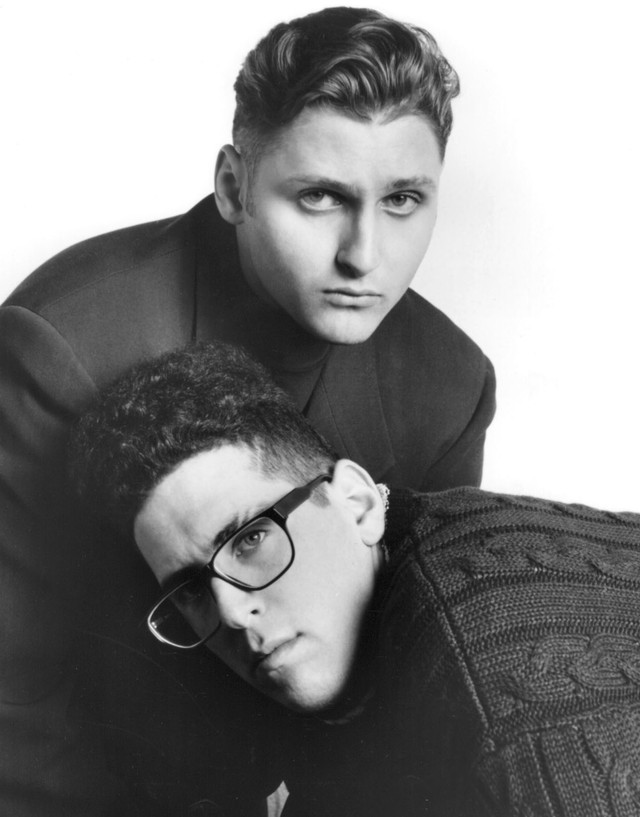
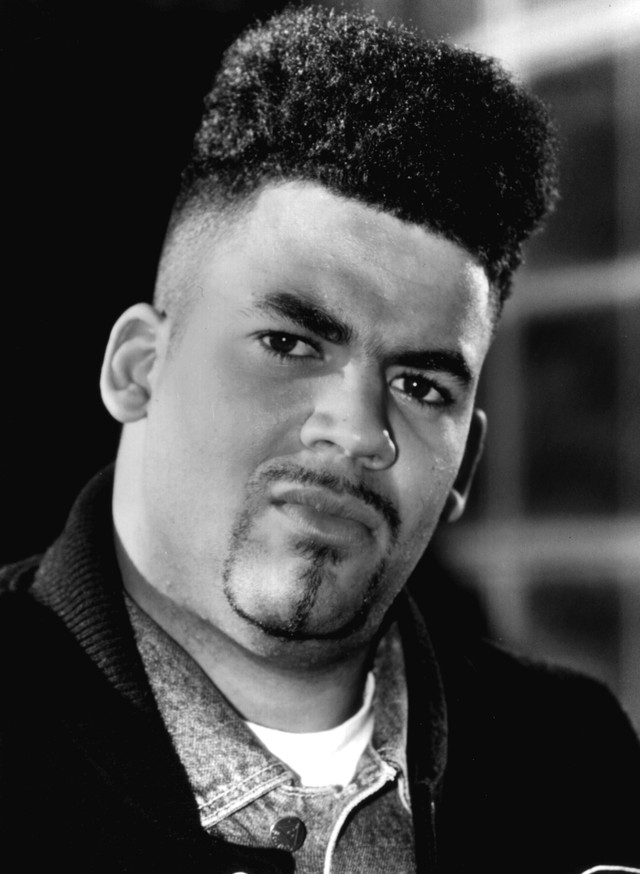
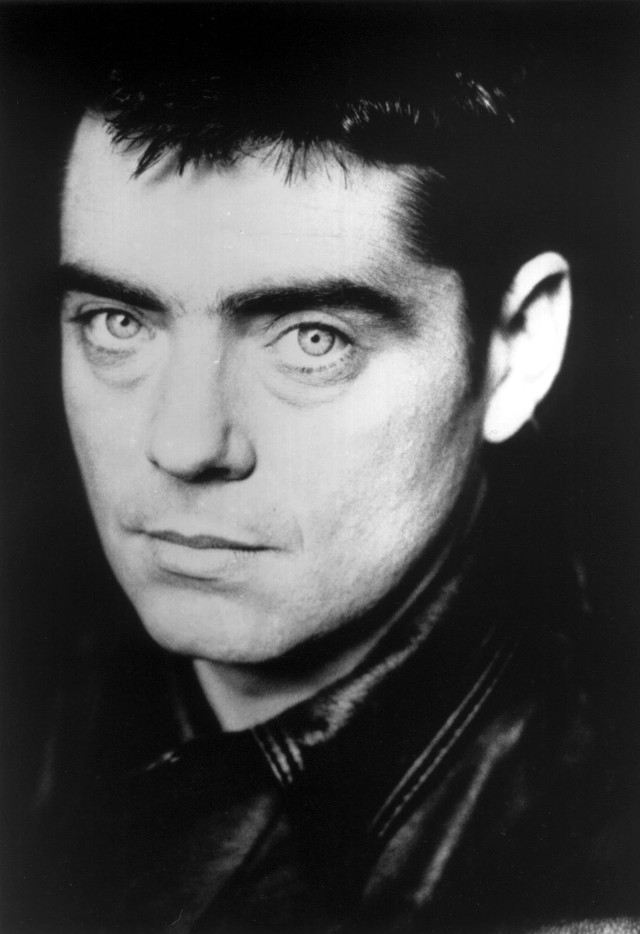
An outgrowth, both musically and ideologically, of the San Francisco-based avant-garde industrial jazz collective <a href="spotify:artist:6MmUJUlLTfRxp1w56EUjY6">the Beatnigs</a>, the Disposable Heroes of Hiphoprisy formed in 1990. Comprised of former <a href="spotify:artist:6MmUJUlLTfRxp1w56EUjY6">Beatnigs</a> <a href="spotify:artist:4vCYwGCNg2XUsdi9IVMzwo">Michael Franti</a> and Rono Tse, the duo quickly established themselves among rap's foremost proponents of multiculturalism and liberalism; pointedly attacking hip-hop tenets like homophobia, misogyny, and racism, <a href="spotify:artist:4vCYwGCNg2XUsdi9IVMzwo">Franti</a>'s narratives addressed issues ranging from "Television: The Drug of the Nation" to "Socio-Genetic Experience" (about his childhood raised by white parents) with clarity and depth.
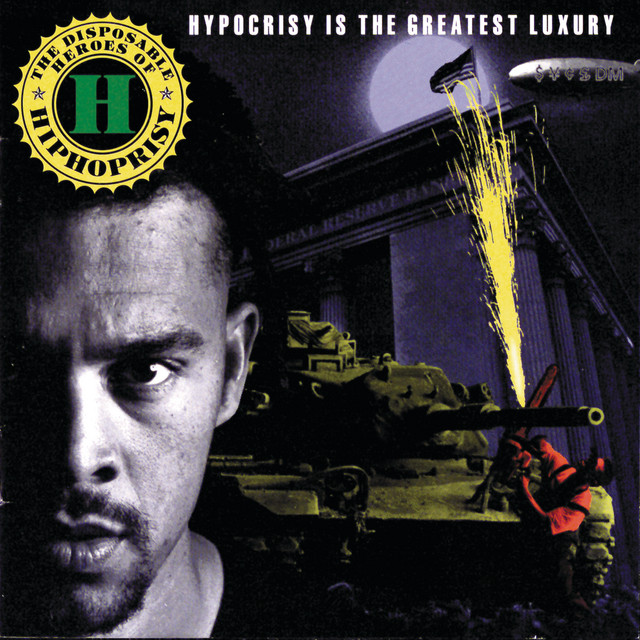
Opening slots for everyone from <a href="spotify:artist:6Mo9PoU6svvhgEum7wh2Nd">Public Enemy</a> and <a href="spotify:artist:5Va9LuEmaZxnbk1gMnjMD7">Arrested Development</a> to <a href="spotify:artist:6olE6TJLqED3rqDCT0FyPh">Nirvana</a> and <a href="spotify:artist:51Blml2LZPmy7TTiAg47vQ">U2</a> attested to the nerve hit by the Heroes' 1992 debut, Hypocrisy Is the Greatest Luxury, although some members of the rap community dismissed the duo as an attempt to quell white America's apprehensions over the violent world-view depicted in the grooves of gangsta rap records. Consequently, the Disposable Heroes of Hiphoprisy never attracted the African-American audiences their music actively sought, and after joining beat legend <a href="spotify:artist:3CcqTY5fsD6Bli5ecGhDKz">William S. Burroughs</a> on his 1993 release Spare Ass Annie and Other Tales, the duo disbanded; while Tse later worked with the Bay Area rap unit <a href="spotify:artist:4aUCG0PL1cafxrS0cPoDaB">Mystik Journeymen</a>, <a href="spotify:artist:4vCYwGCNg2XUsdi9IVMzwo">Franti</a> formed <a href="spotify:artist:1mHuZMOP8FG5ip4yAb1vrB">Spearhead</a>, a more roots-oriented concern. ~ Jason Ankeny, Rovi
Opening slots for everyone from <a href="spotify:artist:6Mo9PoU6svvhgEum7wh2Nd">Public Enemy</a> and <a href="spotify:artist:5Va9LuEmaZxnbk1gMnjMD7">Arrested Development</a> to <a href="spotify:artist:6olE6TJLqED3rqDCT0FyPh">Nirvana</a> and <a href="spotify:artist:51Blml2LZPmy7TTiAg47vQ">U2</a> attested to the nerve hit by the Heroes' 1992 debut, Hypocrisy Is the Greatest Luxury, although some members of the rap community dismissed the duo as an attempt to quell white America's apprehensions over the violent world-view depicted in the grooves of gangsta rap records. Consequently, the Disposable Heroes of Hiphoprisy never attracted the African-American audiences their music actively sought, and after joining beat legend <a href="spotify:artist:3CcqTY5fsD6Bli5ecGhDKz">William S. Burroughs</a> on his 1993 release Spare Ass Annie and Other Tales, the duo disbanded; while Tse later worked with the Bay Area rap unit <a href="spotify:artist:4aUCG0PL1cafxrS0cPoDaB">Mystik Journeymen</a>, <a href="spotify:artist:4vCYwGCNg2XUsdi9IVMzwo">Franti</a> formed <a href="spotify:artist:1mHuZMOP8FG5ip4yAb1vrB">Spearhead</a>, a more roots-oriented concern. ~ Jason Ankeny, Rovi
Monthly Listeners
11,133
Monthly Listeners History
Track the evolution of monthly listeners over the last 28 days.
Followers
13,703
Followers History
Track the evolution of followers over the last 28 days.
Top Cities



Related Artists


Gary Clail