Data may be outdated
Last updated: 9 months ago — Click refresh to get the latest statistics.
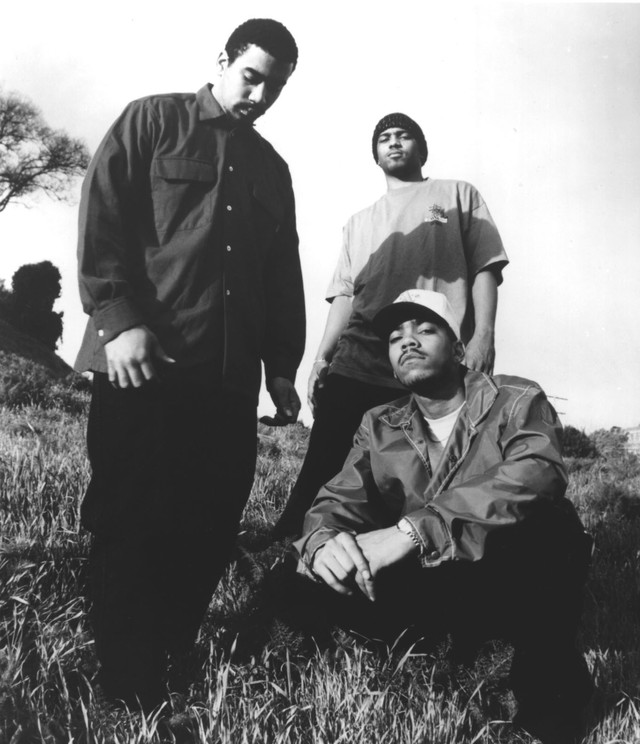
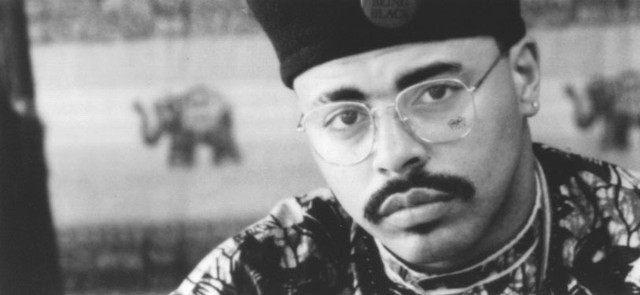
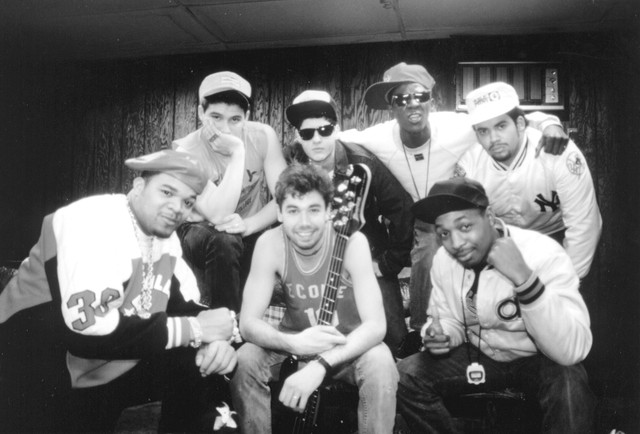
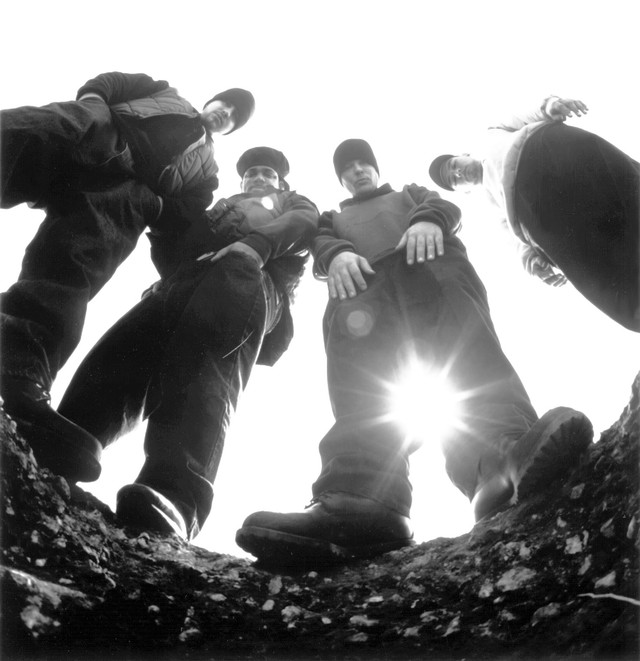
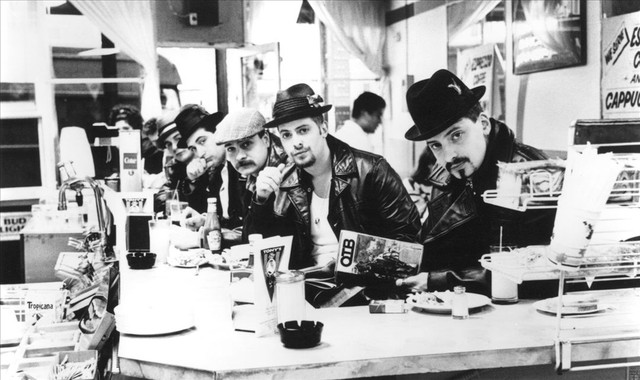
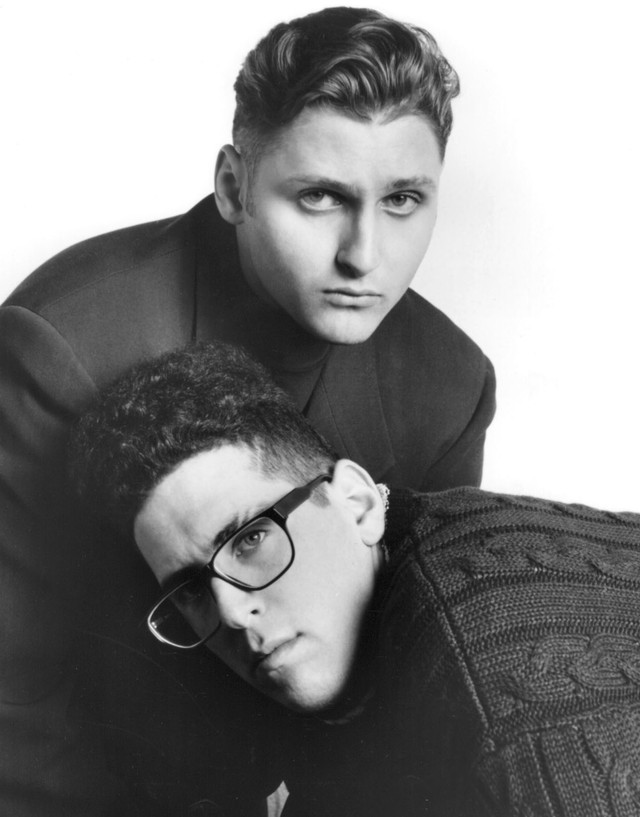
One of the more overlooked groups in the early-'90s alternative rap movement, the Goats were an interracial Philadelphia trio who featured a live backing band before fellow hometowners <a href="spotify:artist:78xUyw6FkVZrRAtziFdtdu">the Roots</a> shot to acclaim with a similar format. The Goats sounded a bit different, though, mixing intelligent, <a href="spotify:artist:6Mo9PoU6svvhgEum7wh2Nd">Public Enemy</a>-influenced political raps with good-humored Native Tongues positivity, plus a bit of aggressive, hard-partying funk-rock. Oatie Kato (born Maxx Stoyanoff-Williams), Madd, and Swayzack first got together in 1991, and became the first signing for the Philly-based hip-hop label Ruffhouse (which would soon land a distribution deal with Sony). The group released its debut album, 1992's Tricks of the Shade, to strongly positive reviews, and shortly thereafter put together an in-concert backing band which took their sound in a rap-rock direction. However, Oatie soon left the group, dissatisfied with the behind-the-scenes excess; he went on to form <a href="spotify:artist:7mWr9fTqDOSNRb6w9XPVFH">Incognegro</a>, and took much of the Goats' political perceptiveness with him. The remaining duo debuted the live band on the Goats' second album, 1994's No Goats No Glory, which was viewed by many critics as a disappointing follow-up. By 1996, the group had disbanded, but <a href="spotify:artist:7mWr9fTqDOSNRb6w9XPVFH">Incognegro</a> would release their debut album by the end of the decade, with Oatie performing under the name MC Uh-Oh. ~ Steve Huey, Rovi
Monthly Listeners
6,831
Monthly Listeners History
Track the evolution of monthly listeners over the last 28 days.
Followers
8,327
Followers History
Track the evolution of followers over the last 28 days.
Top Cities
229 listeners

98 listeners
84 listeners
77 listeners
68 listeners

Related Artists


The Rammellzee