Data may be outdated
Last updated: 2 weeks ago — Click refresh to get the latest statistics.
The first version of the Freedom Singers remained together for only a year, but the group's impact was substantial. The quartet was managed by Toshi Seeger, and although their first fundraising event at Chicago's McCormick Place was unsuccessful, joint appearances with <a href="spotify:artist:1P9syEkl41IFowWIJN7ZBY">Pete Seeger</a> soon gave them a boost. In 1962-63, the Freedom Singers traveled 100,000 miles to sing "freedom songs" at universities, churches, and colleges. Through the group's travels, spirituals like "Woke Up This Morning" and "Fighting for My Rights" -- songs that celebrated the struggles of the Civil Rights Movement -- became better-known. The road they traveled in their old Buick station wagon was a rocky one, but despite arrests and opposition, the quartet persevered.
The highpoint of the Freedom Singers' career occurred in the spring and summer of 1963. They appeared at the March on Washington in May, an event that drew 350,000 people and climaxed with <a href="spotify:artist:4lWl4G5wgAH9i3GwumUDkB">Martin Luther King</a>'s dream of an equal America. "On the march the air was filled with the sounds of the jail-ins, sit-ins, and street marches of Southern campaigns," Johnson later recalled. The Freedom Singers also sang at the Newport Folk Festival. During the closing moments of the festival, the Freedom Singers linked arms with <a href="spotify:artist:74ASZWbe4lXaubB36ztrGX">Bob Dylan</a>, <a href="spotify:artist:1EevBGfUh3RSQSGpluxgBm">Joan Baez</a>, and <a href="spotify:artist:6yrBBtqX2gKCHCrZOYBDrB">Peter, Paul and Mary</a> to sing "We Shall Overcome." After recording one album for Mercury in 1963, the group disbanded.
In 1964, a second, all-male version of the group, also under the SNCC banner, formed with Rafael Bentham, Emory Harris, Matthew Jones, Marshall Jones, James Peacock, and Chuck Neblitt. Unlike the original group, the new Freedom Singers traveled less and relied on more original material. They recorded one live album -- also on Mercury -- in Atlanta in 1964. Samples of the original Freedom Singers can be found on Newport Broadside and The Newport Folk Festival 1963: The Evening Concerts, while recordings of the later group can be found on The Best of Broadside. ~ Ronnie D. Lankford, Jr., Rovi
Monthly Listeners
1,118
Monthly Listeners History
Track the evolution of monthly listeners over the last 28 days.
Followers
1,626
Followers History
Track the evolution of followers over the last 28 days.
Total Streams
549,914
Total Streams History
Track the evolution of total streams over the last 28 days. This data is calculated from all tracks listed in the artist's discography.
Top Cities

Related Artists

Hollis Watkins
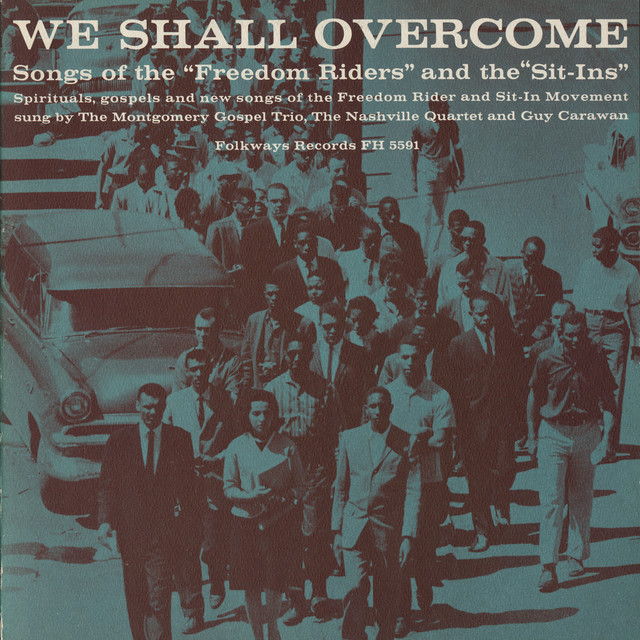
Montgomery Gospel Trio
Alice Wine

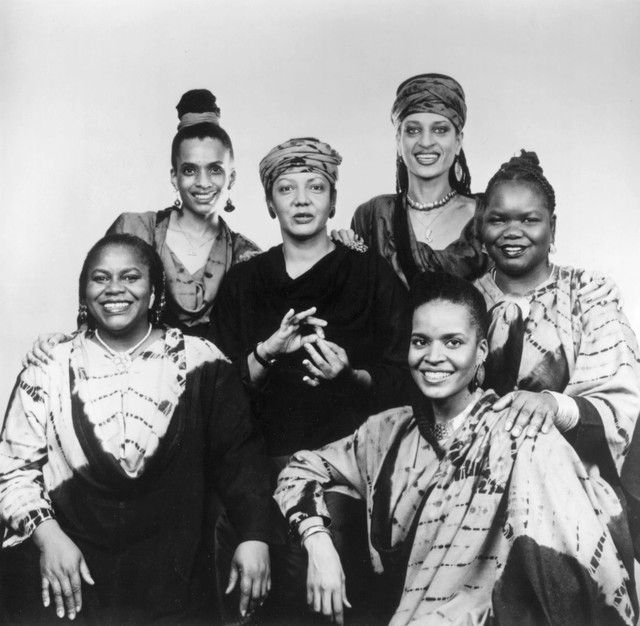
Aisha Kahlil
The Freedom Voices
Newburg Radio Chorus
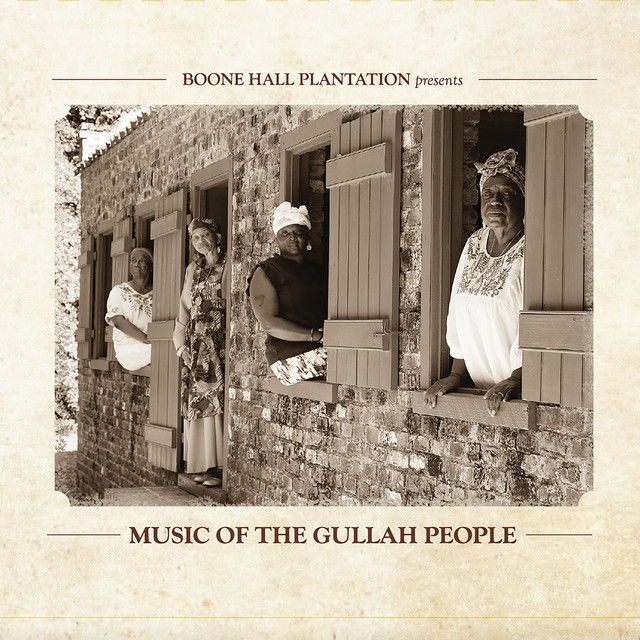
The Plantation Singers
James Weldon Johnson
James Shorty & Viola James
Betty Fikes

Theremin
Two five year old girls at Brown Chapel AME Church
Freedom marchers at Zion United Methodist Church
Viola James & Congregation
The Howard University Chamber Choir
Mary Lee

Marlena Smalls and the Hallelujah Singers

The Gospel Harmonettes
Bill Landford