Genre
rocksteady
Top Rocksteady Artists
Showing 25 of 2,341 artists




About Rocksteady
Rocksteady is the Jamaican music that slowed ska's brisk tempo into a heavier, more soulful groove, a bridge between the island's most influential sounds. Born in Kingston in the mid-1960s, the style crystallized around 1966–'67 as producers and players trimmed the pace, sharpened the rhythm, and focused on bass and voice. Tempos hovered near 110 beats per minute, enough room for melodies to bloom and for horn sections to glide. The rhythm guitar often rang on the offbeat with a dry, percussive click, while the drums settled into a steady pocket that let singers stretch out and the brass grin with late-night warmth. The phrase rocksteady entered the lexicon as musicians sought a more controlled, assured dance-floor feel, and Alton Ellis's "Rock Steady" (1966) is widely cited as a pivotal moment that helped name the era.
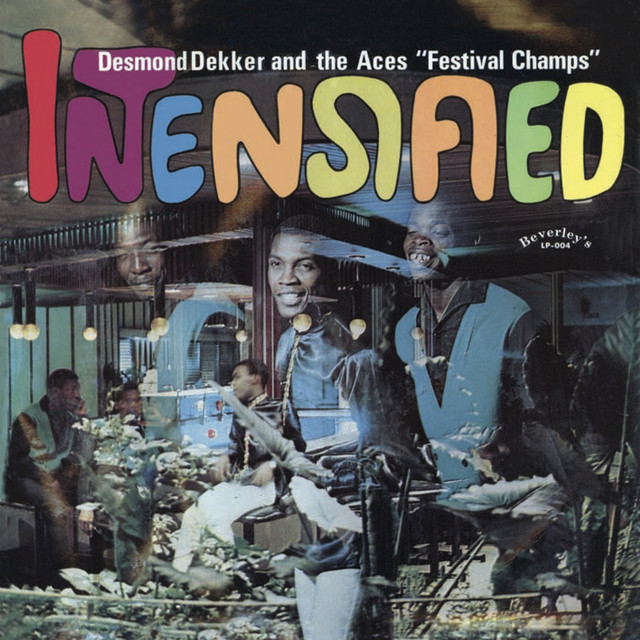
The scene was powered by Kingston studios and a pair of dynamos: Duke Reid’s Treasure Isle and Clement "Coxsone" Daley’s Studio One. The Skatalites, though rooted in ska, kept turning up in rocksteady sets, while vocal groups and soloists refined the style into something distinctly romantic and expressive. The Wailers—Bob Marley with Bunny Wailer and Peter Tosh—were among the singers who rode the transition, and then came a roster of artists who would become ambassadors of the sound: the Techniques, the Paragons, the Heptones, Ken Boothe, and, above all, Toots Hibbert and his Maytals. Desmond Dekker and the Aces helped propel rocksteady beyond Jamaica with the hit "Israelites" (1968), a global crossover that remains a touchstone of the era.
In performance, rocksteady embraced lush vocal harmonies, horn sections, and a mood that could be playful, romantic, or socially observant. It seeded what would become lovers’ rock in the subsequent reggae period—a slower, melodically rich strand of Jamaican music that found new life in the Caribbean diaspora and in Britain’s emerging reggae culture. Instrumentally, it gave bass players center stage, while guitar and piano anchored the groove with crisp, chordal support.
Geographically, Jamaica remained the epicenter, but the music quickly found welcome ears in the United Kingdom, Canada, and the United States wherever Caribbean communities gathered. Record collections and compilations helped it survive beyond its mid- to late-1960s heyday, influencing both early reggae and contemporary Jamaican pop. For aficionados, rocksteady is a precise, debonair pause in Jamaica’s popular music—a period when tempo, feeling, and lyrical nuance converged to create some of the most soulful grooves of the 1960s. It’s the sound of lovers, dancers, and category-defining rhythm, a genre that still reveals new textures when you replay those treasure Isle-backed sessions and those early vocal harmonies.
Collectors prize the vocal groups' harmonies and the horn charts, with sax, trumpet, and trombone weaving through the bass lines. On dance floors, rocksteady fostered a cool, gliding movement—feet shuffling, shoulders gently rocking, a relaxed swagger that stood in elegant contrast to ska's brisk punch. In the decades since, rocksteady's DNA has persisted in early reggae and in contemporary Jamaican pop, as producers and musicians cite Treasure Isle and Studio One as touchstones. The era's empathy and rhythm—romantic, playful, and sometimes socially aware—remain a touchstone for listeners who crave groove with character.
The scene was powered by Kingston studios and a pair of dynamos: Duke Reid’s Treasure Isle and Clement "Coxsone" Daley’s Studio One. The Skatalites, though rooted in ska, kept turning up in rocksteady sets, while vocal groups and soloists refined the style into something distinctly romantic and expressive. The Wailers—Bob Marley with Bunny Wailer and Peter Tosh—were among the singers who rode the transition, and then came a roster of artists who would become ambassadors of the sound: the Techniques, the Paragons, the Heptones, Ken Boothe, and, above all, Toots Hibbert and his Maytals. Desmond Dekker and the Aces helped propel rocksteady beyond Jamaica with the hit "Israelites" (1968), a global crossover that remains a touchstone of the era.
In performance, rocksteady embraced lush vocal harmonies, horn sections, and a mood that could be playful, romantic, or socially observant. It seeded what would become lovers’ rock in the subsequent reggae period—a slower, melodically rich strand of Jamaican music that found new life in the Caribbean diaspora and in Britain’s emerging reggae culture. Instrumentally, it gave bass players center stage, while guitar and piano anchored the groove with crisp, chordal support.
Geographically, Jamaica remained the epicenter, but the music quickly found welcome ears in the United Kingdom, Canada, and the United States wherever Caribbean communities gathered. Record collections and compilations helped it survive beyond its mid- to late-1960s heyday, influencing both early reggae and contemporary Jamaican pop. For aficionados, rocksteady is a precise, debonair pause in Jamaica’s popular music—a period when tempo, feeling, and lyrical nuance converged to create some of the most soulful grooves of the 1960s. It’s the sound of lovers, dancers, and category-defining rhythm, a genre that still reveals new textures when you replay those treasure Isle-backed sessions and those early vocal harmonies.
Collectors prize the vocal groups' harmonies and the horn charts, with sax, trumpet, and trombone weaving through the bass lines. On dance floors, rocksteady fostered a cool, gliding movement—feet shuffling, shoulders gently rocking, a relaxed swagger that stood in elegant contrast to ska's brisk punch. In the decades since, rocksteady's DNA has persisted in early reggae and in contemporary Jamaican pop, as producers and musicians cite Treasure Isle and Studio One as touchstones. The era's empathy and rhythm—romantic, playful, and sometimes socially aware—remain a touchstone for listeners who crave groove with character.