Data may be outdated
Last updated: 7 months ago — Click refresh to get the latest statistics.
Renowned rocksteady harmony trio the Gaylads was formed in 1963 by Kingston-born vocalists <a href="spotify:artist:4DjZ4nOCwggp2uEdNebMgf">Harris "B.B." Seaton</a> and <a href="spotify:artist:0SsDRBzurQjVeEIkbPcI2m">Winston Delano Stewart</a>, who as the duo of Winston & Bibby previously enjoyed a series of Coxsone Dodd-produced hits including "Joybells," "I'll Be There," and "Lover Man." With the addition of local singer Maurice Roberts, the newly formed Gaylads returned to Dodd's <a href="spotify:search:label%3A%22Studio+One%22">Studio One</a> to cut their first hits, reeling off a string of well-received sides like "Whap Whap," "There'll Come a Day," and "What Is Wrong with Me." As <a href="spotify:artist:5QNW4ig9GWLysoL31cwcNc">Seaton</a> began work with another Kingston group, the <a href="spotify:artist:2lEie1NgwN8NqCvLsCd0H7">Astronauts</a>, the Gaylads' activities ground to a temporary halt, but in 1966 the group returned in force with the hits "Lady with the Red Dress," "Stop Making Love," and "Don't Say No"; they also became a regular fixture of other Dodd sessions, backing singers including <a href="spotify:artist:2PuBpv31beJyhHfvXoku41">Slim Smith</a> and <a href="spotify:artist:6jg1EbpTL27toPdfzveorJ">Ken Boothe</a> (for whom <a href="spotify:artist:5QNW4ig9GWLysoL31cwcNc">Seaton</a> authored the classic "The Girl I Left Behind").
The sea change from ska to the slower rocksteady rhythm brought with it a huge shift in the Gaylads' approach -- no longer restrained by the demands of uptempo material, they were free to attempt more complex and sophisticated harmonies, resulting in a number of 1967 hits including "Love Me with All Your Heart," "How Can I Go On," and "I Am Free" (all later included on the trio's debut LP, The Soul Beat). Upon completing the follow-up, Sunshine Is Golden, the Gaylads parted ways with Dodd, signing on with producer Sonia Pottinger for the fine "It's Hard to Confess." The quality of the Gaylads' work with Pottinger remained high over the sessions to follow, with efforts like "A.B.C. Rocksteady" and "Over the Rainbow's End" ranking with the group's very best work. However, in late 1968, <a href="spotify:artist:4XVxeuUkJRiCYJYdqRpwab">Stewart</a> left the trio to mount a solo career; <a href="spotify:artist:5QNW4ig9GWLysoL31cwcNc">Seaton</a> and <a href="spotify:artist:5XmcDLR7LLwE5xU06CGvkG">Roberts</a> forged ahead as a duo, collaborating with a number of producers during 1969 (most notably <a href="spotify:artist:1TsG4AumsMt1Tcq2nHpov9">Lee "Scratch" Perry</a>, with whom they scored with "Room for Rent" and "I Wear My Slanders").
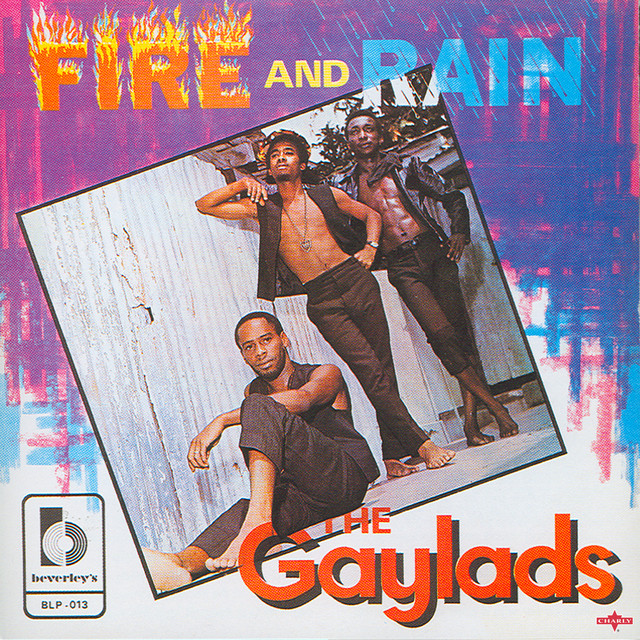
As the decade drew to its close, the Gaylads signed with producer <a href="spotify:artist:7pfXISxo1nRPljiImq1BLp">Leslie Kong</a>, immediately notching the smash "There's a Fire." Under <a href="spotify:artist:7pfXISxo1nRPljiImq1BLp">Kong</a>, the group (replacing <a href="spotify:artist:4XVxeuUkJRiCYJYdqRpwab">Stewart</a> with either ex-<a href="spotify:artist:5sCZ2Gc3nZaE3Cav8WG7WG">Paragon</a> Howard Barrett or Ricky Grant) enjoyed one of their most fruitful periods, recording renditions of everything from <a href="spotify:artist:1ObAu0tz0NlOI6FNHTXchD">Tommy Edwards</a>' "It's All in the Game" to <a href="spotify:artist:7G1GBhoKtEPnP86X2PvEYO">Nina Simone</a>'s "Young, Gifted and Black"; a cover of <a href="spotify:artist:0vn7UBvSQECKJm2817Yf1P">James Taylor</a>'s "Fire and Rain" even served as the title track of their third LP. 1971 began promisingly with the hits "My Jamaican Girl" and "People Crying," but that August, <a href="spotify:artist:7pfXISxo1nRPljiImq1BLp">Kong</a> suffered a fatal heart attack; the devastated Gaylads tapped producer <a href="spotify:artist:1UxYrIRzYsrxv8EYrmoRXA">Rupie Edwards</a> to helm their next smash, "Can't Hide the Feeling." By this time, <a href="spotify:artist:5QNW4ig9GWLysoL31cwcNc">Seaton</a> was also performing as a member of the Conscious Minds alongside <a href="spotify:artist:6jg1EbpTL27toPdfzveorJ">Ken Boothe</a>; with <a href="spotify:artist:3mSM2ALYf2unI6Hk6NGBmD">Lloyd Charmers</a> and Pete Weston, he also co-founded the Splash and <a href="spotify:search:label%3A%22Soul+Beat%22">Soul Beat</a> labels. Each project drew him further away from the Gaylads, and after recording a few final records including "The Guy Next Door," "You Can't Get Away," and "Seven in One," <a href="spotify:artist:5QNW4ig9GWLysoL31cwcNc">Seaton</a> left the group.
<a href="spotify:artist:5XmcDLR7LLwE5xU06CGvkG">Roberts</a>, the lone remaining original member, selected brothers Randell and Hopeton Thaxter to carry on the Gaylads name; the new lineup never matched the success of its predecessor, however, and after releasing the album Love and Understanding as the Gaylads, <a href="spotify:artist:5XmcDLR7LLwE5xU06CGvkG">Roberts</a> dropped any reference to the moniker whatsoever and rechristened the trio the Psalms, landing as backing vocalists for <a href="spotify:artist:389zc5Rwe0MPcE6mSF4AjC">Bunny Wailer</a>. The founding duo of <a href="spotify:artist:5QNW4ig9GWLysoL31cwcNc">Seaton</a> and <a href="spotify:artist:4XVxeuUkJRiCYJYdqRpwab">Stewart</a> re-formed for the first time in over two decades for an appearance at the 1991 <a href="spotify:search:label%3A%22Studio+One%22">Studio One</a> concert, and two years later, <a href="spotify:artist:5XmcDLR7LLwE5xU06CGvkG">Roberts</a> joined them for a performance at the Rocksteady Reunion in Kingston. <a href="spotify:artist:5QNW4ig9GWLysoL31cwcNc">Seaton</a> -- who began his solo career in 1973 with the album Thin Line Between Love and Hate and enjoyed success throughout the years to follow -- subsequently relocated to London to helm his revived <a href="spotify:search:label%3A%22Soul+Beat%22">Soul Beat</a> imprint. ~ Jason Ankeny, Rovi
The sea change from ska to the slower rocksteady rhythm brought with it a huge shift in the Gaylads' approach -- no longer restrained by the demands of uptempo material, they were free to attempt more complex and sophisticated harmonies, resulting in a number of 1967 hits including "Love Me with All Your Heart," "How Can I Go On," and "I Am Free" (all later included on the trio's debut LP, The Soul Beat). Upon completing the follow-up, Sunshine Is Golden, the Gaylads parted ways with Dodd, signing on with producer Sonia Pottinger for the fine "It's Hard to Confess." The quality of the Gaylads' work with Pottinger remained high over the sessions to follow, with efforts like "A.B.C. Rocksteady" and "Over the Rainbow's End" ranking with the group's very best work. However, in late 1968, <a href="spotify:artist:4XVxeuUkJRiCYJYdqRpwab">Stewart</a> left the trio to mount a solo career; <a href="spotify:artist:5QNW4ig9GWLysoL31cwcNc">Seaton</a> and <a href="spotify:artist:5XmcDLR7LLwE5xU06CGvkG">Roberts</a> forged ahead as a duo, collaborating with a number of producers during 1969 (most notably <a href="spotify:artist:1TsG4AumsMt1Tcq2nHpov9">Lee "Scratch" Perry</a>, with whom they scored with "Room for Rent" and "I Wear My Slanders").
As the decade drew to its close, the Gaylads signed with producer <a href="spotify:artist:7pfXISxo1nRPljiImq1BLp">Leslie Kong</a>, immediately notching the smash "There's a Fire." Under <a href="spotify:artist:7pfXISxo1nRPljiImq1BLp">Kong</a>, the group (replacing <a href="spotify:artist:4XVxeuUkJRiCYJYdqRpwab">Stewart</a> with either ex-<a href="spotify:artist:5sCZ2Gc3nZaE3Cav8WG7WG">Paragon</a> Howard Barrett or Ricky Grant) enjoyed one of their most fruitful periods, recording renditions of everything from <a href="spotify:artist:1ObAu0tz0NlOI6FNHTXchD">Tommy Edwards</a>' "It's All in the Game" to <a href="spotify:artist:7G1GBhoKtEPnP86X2PvEYO">Nina Simone</a>'s "Young, Gifted and Black"; a cover of <a href="spotify:artist:0vn7UBvSQECKJm2817Yf1P">James Taylor</a>'s "Fire and Rain" even served as the title track of their third LP. 1971 began promisingly with the hits "My Jamaican Girl" and "People Crying," but that August, <a href="spotify:artist:7pfXISxo1nRPljiImq1BLp">Kong</a> suffered a fatal heart attack; the devastated Gaylads tapped producer <a href="spotify:artist:1UxYrIRzYsrxv8EYrmoRXA">Rupie Edwards</a> to helm their next smash, "Can't Hide the Feeling." By this time, <a href="spotify:artist:5QNW4ig9GWLysoL31cwcNc">Seaton</a> was also performing as a member of the Conscious Minds alongside <a href="spotify:artist:6jg1EbpTL27toPdfzveorJ">Ken Boothe</a>; with <a href="spotify:artist:3mSM2ALYf2unI6Hk6NGBmD">Lloyd Charmers</a> and Pete Weston, he also co-founded the Splash and <a href="spotify:search:label%3A%22Soul+Beat%22">Soul Beat</a> labels. Each project drew him further away from the Gaylads, and after recording a few final records including "The Guy Next Door," "You Can't Get Away," and "Seven in One," <a href="spotify:artist:5QNW4ig9GWLysoL31cwcNc">Seaton</a> left the group.
<a href="spotify:artist:5XmcDLR7LLwE5xU06CGvkG">Roberts</a>, the lone remaining original member, selected brothers Randell and Hopeton Thaxter to carry on the Gaylads name; the new lineup never matched the success of its predecessor, however, and after releasing the album Love and Understanding as the Gaylads, <a href="spotify:artist:5XmcDLR7LLwE5xU06CGvkG">Roberts</a> dropped any reference to the moniker whatsoever and rechristened the trio the Psalms, landing as backing vocalists for <a href="spotify:artist:389zc5Rwe0MPcE6mSF4AjC">Bunny Wailer</a>. The founding duo of <a href="spotify:artist:5QNW4ig9GWLysoL31cwcNc">Seaton</a> and <a href="spotify:artist:4XVxeuUkJRiCYJYdqRpwab">Stewart</a> re-formed for the first time in over two decades for an appearance at the 1991 <a href="spotify:search:label%3A%22Studio+One%22">Studio One</a> concert, and two years later, <a href="spotify:artist:5XmcDLR7LLwE5xU06CGvkG">Roberts</a> joined them for a performance at the Rocksteady Reunion in Kingston. <a href="spotify:artist:5QNW4ig9GWLysoL31cwcNc">Seaton</a> -- who began his solo career in 1973 with the album Thin Line Between Love and Hate and enjoyed success throughout the years to follow -- subsequently relocated to London to helm his revived <a href="spotify:search:label%3A%22Soul+Beat%22">Soul Beat</a> imprint. ~ Jason Ankeny, Rovi
Monthly Listeners
62,816
Monthly Listeners History
Track the evolution of monthly listeners over the last 28 days.
Followers
19,962
Followers History
Track the evolution of followers over the last 28 days.
Top Cities
2,972 listeners

2,151 listeners
1,065 listeners
882 listeners
870 listeners

Related Artists


The Flames
The Dominoes


Lizzy
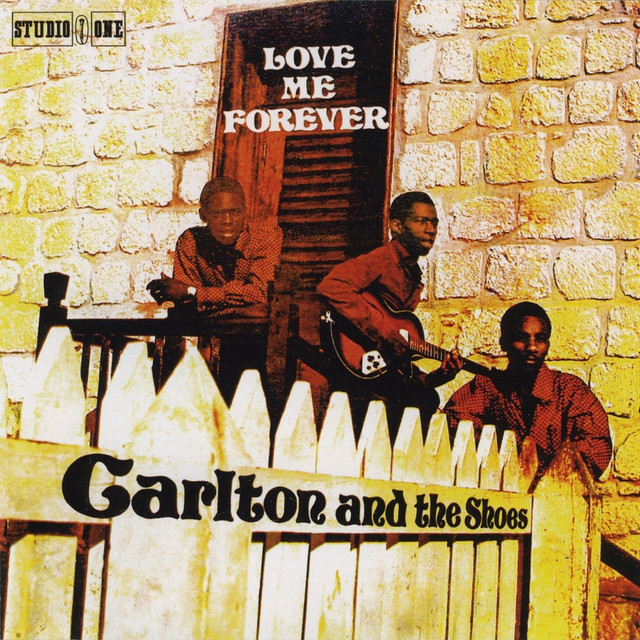
Carlton & The Shoes