Data may be outdated
Last updated: 9 months ago — Click refresh to get the latest statistics.
Bronx-based doo wop foursome the Halos enjoyed a modest hit in 1961 with the song "Nag," but they were more widely heard as a backup group working with other artists of the late '50s and early '60s. Al Cleveland, Arthur Crier, <a href="spotify:artist:1zWnuRQeVtq50JDArw5PtF">Phil Johnson</a>, and Harold Johnson first began working together as backing vocalists for producer Morty Craft, who used them to accompany <a href="spotify:artist:7kowgNVIlvDxx9Uhvcft5Y">Shirley & Lee</a> on "Let the Good Times Roll," along with a number of other sides. Under the name the Craftys (a nod to their producer), they cut their first single, "L-O-V-E," in 1960, but were billed as the Halos for their next record, "Nag," which peaked at 25 on the Billboard Pop charts. Several more singles followed, none of which reached the same level of chart success. However, the group continued to be busy on the studio scene, cutting several singles with singer Cammy Carol and adding doo wop and harmonies to two early <a href="spotify:artist:3jVMgT4X7YeuYE4aludcmE">Phil Spector</a> productions, <a href="spotify:artist:2CM4LFqAr2MS4rIp25pxfg">Curtis Lee</a>'s "Pretty Little Angel Eyes" and <a href="spotify:artist:3ap1NzHNV9QA1x1V6z3gSe">Gene Pitney</a>'s "Every Breath I Take." While the Halos would never achieve true stardom, Arthur Crier's influence as a musician certainly paid off for his family: Crier's son Sabu was a member of the group <a href="spotify:artist:18YelxQioKKPXK1PE5hh1n">GQ</a>, and Crier's grandson <a href="spotify:artist:2r09Inibex3C4ZNTUVSG3m">Keith Sabu Crier, Jr.</a> would become a major R&B star under the stage name <a href="spotify:artist:2r09Inibex3C4ZNTUVSG3m">Keith Sweat</a>. ~ Mark Deming, Rovi
Monthly Listeners
262
Monthly Listeners History
Track the evolution of monthly listeners over the last 28 days.
Followers
335
Followers History
Track the evolution of followers over the last 28 days.
Top Cities
6 listeners

6 listeners

5 listeners
4 listeners

4 listeners
Related Artists

The Cupids
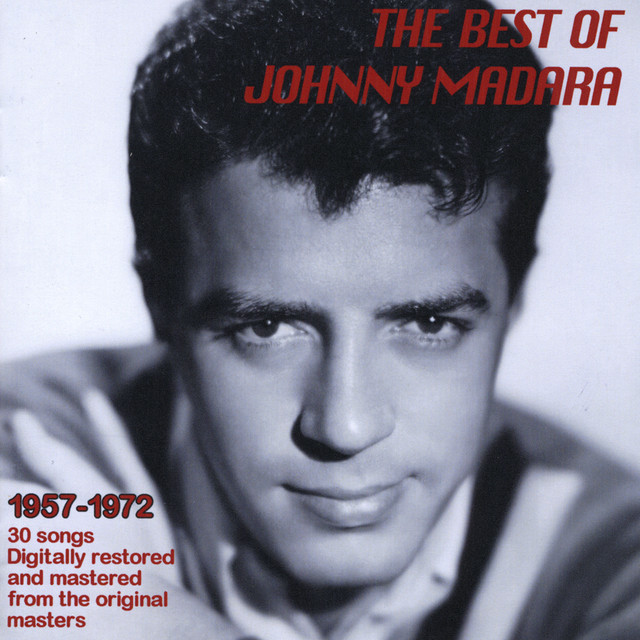


The Magnificent Four
Ernie
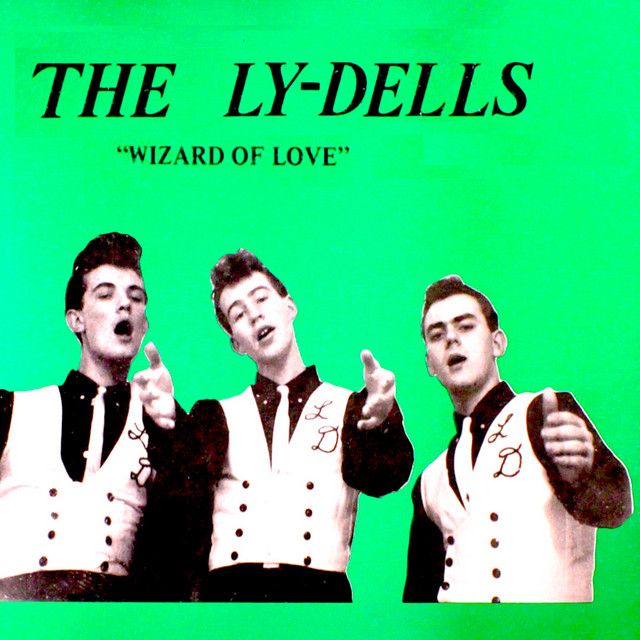

The Royal Lancers