Data may be outdated
Last updated: 7 months ago — Click refresh to get the latest statistics.
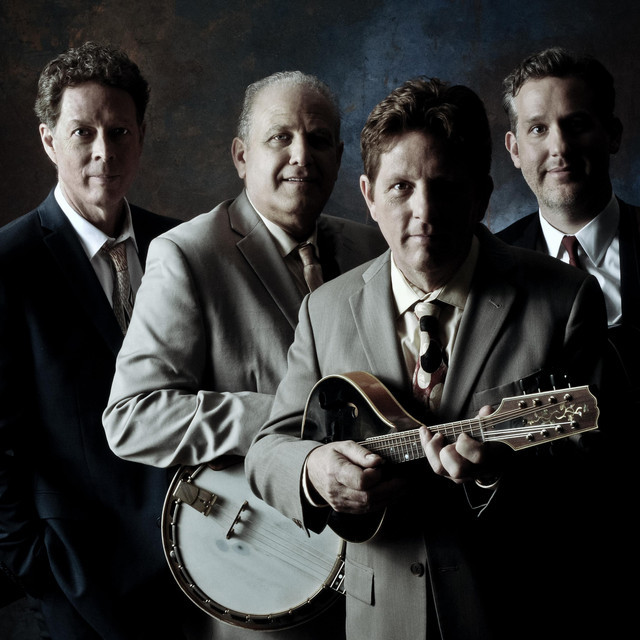
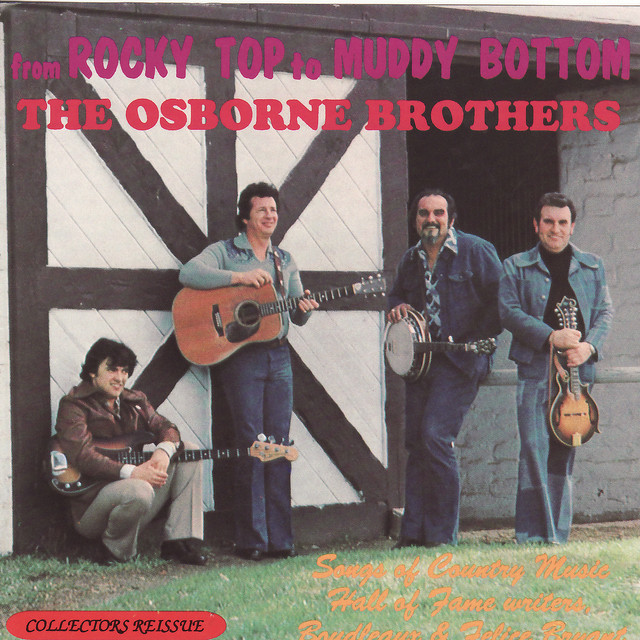
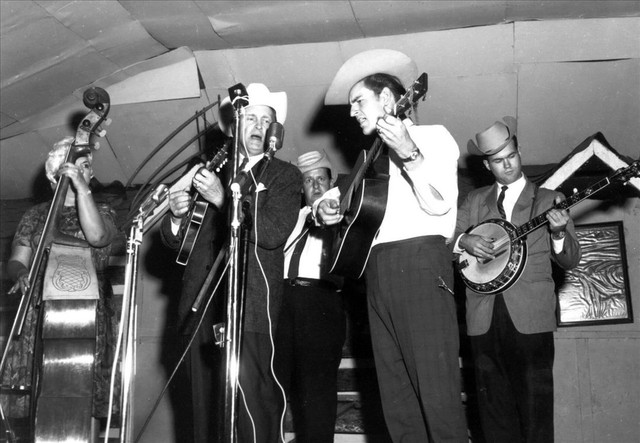
The Osborne Brothers were one of the most popular and innovative bluegrass groups of the post-war era, taking the music into new directions and gaining a large audience. Among their most notable achievements are their pioneering, inventive use of amplification, twin harmony banjos, steel guitars, and drums -- they were the first bluegrass group to expand the genre's sonic palette in such a fashion.
<a href="spotify:artist:7t4RPufBc87g351q3Fp4tI">Bobby</a> and Sonny Osborne were born in Hyden, Kentucky, but raised in Dayton, Ohio. As children, their father instilled a love for traditional music. <a href="spotify:artist:7t4RPufBc87g351q3Fp4tI">Bobby</a> picked up the electric guitar as a teenager, playing in various local bands. A few years after his brother began playing the guitar, Sonny picked up the banjo. In 1949, <a href="spotify:artist:7t4RPufBc87g351q3Fp4tI">Bobby</a> formed a duo with banjoist Larry Richardson. The pair was hired by a West Virginia radio station and stayed in the state for a while, eventually hooking up with <a href="spotify:artist:0dNvkcqD114TM9zFeyhxMC">the Lonesome Pine Fiddlers</a>. During their stay with <a href="spotify:artist:0dNvkcqD114TM9zFeyhxMC">the Fiddlers</a>, they helped change the group's sound to bluegrass and made four singles for <a href="spotify:search:label%3A%22Cozy+Records%22">Cozy Records</a>. <a href="spotify:artist:7t4RPufBc87g351q3Fp4tI">Bobby Osborne</a> left the band in the summer of 1951, forming a band with <a href="spotify:artist:5Xwgp3LVYzHtRnio8TbzWz">Jimmy Martin</a> that fell apart shortly after its inception. After making a one-shot single, "New Freedom Bell," with his siblings Louise and Sonny, he joined <a href="spotify:artist:0qqGnmHBX2yVvCITRAvuRD">the Stanley Brothers</a> for a short while before being drafted into the Army.
Sonny spent some time with <a href="spotify:artist:64vAECmFoB6mi7n1zTRwR8">Bill Monroe's Blue Grass Boys</a> in the early '50s, appearing on several sides on <a href="spotify:search:label%3A%22Decca+Records%22">Decca Records</a>. He also cut some covers of popular <a href="spotify:artist:5CWbfANRpZbnxdstzcNg5H">Monroe</a> and <a href="spotify:artist:1iNNWK8bYjc5EK0waLk1J1">Flatt & Scruggs</a> songs for the budget label <a href="spotify:search:label%3A%22Gateway%22">Gateway</a>. After <a href="spotify:artist:7t4RPufBc87g351q3Fp4tI">Bobby</a> returned from the Army, he and Sonny formed a band. Initially, they supported <a href="spotify:artist:5Xwgp3LVYzHtRnio8TbzWz">Jimmy Martin</a> on his <a href="spotify:search:label%3A%22RCA%22">RCA</a> session while they had their own spot on a Knoxville radio station. In 1956, they joined the Wheeling Jamboree; they would stay with the radio program for four years. In March of that year, <a href="spotify:artist:1VkiIRxkeBZrnTjsvG8Xqg">Red Allen</a> joined the brothers -- four months after his arrival, they recorded their first session for <a href="spotify:search:label%3A%22MGM+Records%22">MGM Records</a>. For the next year, they toured and recorded, steadily gaining a large audience. In the spring of 1958, "Once More" became a number 13 hit on the country charts. Its success helped push the band into the mainstream.
Shortly after the success of "Once More," <a href="spotify:artist:1VkiIRxkeBZrnTjsvG8Xqg">Allen</a> left the band, and the Osbornes filled his vacancy with a string of musicians and vocalists, including Johnny Dacus and Benny Birchfield. The duo stayed with the Wheeling Jamboree and <a href="spotify:search:label%3A%22MGM+Records%22">MGM Records</a> into the early '60s. The Osbornes became the first bluegrass act to play a college campus in 1960, when they played Antioch College in Yellow Springs, Ohio. That appearance ushered in a new era for bluegrass, creating a new, younger audience for the music.
The Osbornes left <a href="spotify:search:label%3A%22MGM%22">MGM</a> in 1963, signing with <a href="spotify:search:label%3A%22Decca+Records%22">Decca Records</a>. On their mid-'60s records for <a href="spotify:search:label%3A%22Decca%22">Decca</a>, the duo began experimenting more with their music, adding piano, steel guitar, and electric instruments to their music. Their adventurousness made them more accessible to a mass audience, as their string of late-'60s and early-'70s hit singles proves. Although their experimentation angered many bluegrass traditionalists, the Osbornes were the only bluegrass group to consistently have country hits during this time, even if all their singles were only minor hits.
In 1975, the Osbornes left <a href="spotify:search:label%3A%22Decca%22">Decca</a> but continued to play the Grand Ole Opry and bluegrass festivals across America. Later in the '70s, the duo returned to a more traditional sound. Throughout the '80s and '90s they stuck to this sound, playing concerts and festivals frequently and recording albums for CMH, <a href="spotify:search:label%3A%22RCA%22">RCA</a>, <a href="spotify:search:label%3A%22Sugar+Hill%22">Sugar Hill</a>, and <a href="spotify:search:label%3A%22Pinecastle%22">Pinecastle</a>. Forty years after their formation, the Osborne Brothers remained an active act in the mid-'90s. Sonny Osborne died on October 24, 2021 after suffering a stroke; he was 83 years old. His brother <a href="spotify:artist:7t4RPufBc87g351q3Fp4tI">Bobby Osborne</a> followed on June 27, 2023 at the age of 91. ~ Stephen Thomas Erlewine, Rovi
<a href="spotify:artist:7t4RPufBc87g351q3Fp4tI">Bobby</a> and Sonny Osborne were born in Hyden, Kentucky, but raised in Dayton, Ohio. As children, their father instilled a love for traditional music. <a href="spotify:artist:7t4RPufBc87g351q3Fp4tI">Bobby</a> picked up the electric guitar as a teenager, playing in various local bands. A few years after his brother began playing the guitar, Sonny picked up the banjo. In 1949, <a href="spotify:artist:7t4RPufBc87g351q3Fp4tI">Bobby</a> formed a duo with banjoist Larry Richardson. The pair was hired by a West Virginia radio station and stayed in the state for a while, eventually hooking up with <a href="spotify:artist:0dNvkcqD114TM9zFeyhxMC">the Lonesome Pine Fiddlers</a>. During their stay with <a href="spotify:artist:0dNvkcqD114TM9zFeyhxMC">the Fiddlers</a>, they helped change the group's sound to bluegrass and made four singles for <a href="spotify:search:label%3A%22Cozy+Records%22">Cozy Records</a>. <a href="spotify:artist:7t4RPufBc87g351q3Fp4tI">Bobby Osborne</a> left the band in the summer of 1951, forming a band with <a href="spotify:artist:5Xwgp3LVYzHtRnio8TbzWz">Jimmy Martin</a> that fell apart shortly after its inception. After making a one-shot single, "New Freedom Bell," with his siblings Louise and Sonny, he joined <a href="spotify:artist:0qqGnmHBX2yVvCITRAvuRD">the Stanley Brothers</a> for a short while before being drafted into the Army.
Sonny spent some time with <a href="spotify:artist:64vAECmFoB6mi7n1zTRwR8">Bill Monroe's Blue Grass Boys</a> in the early '50s, appearing on several sides on <a href="spotify:search:label%3A%22Decca+Records%22">Decca Records</a>. He also cut some covers of popular <a href="spotify:artist:5CWbfANRpZbnxdstzcNg5H">Monroe</a> and <a href="spotify:artist:1iNNWK8bYjc5EK0waLk1J1">Flatt & Scruggs</a> songs for the budget label <a href="spotify:search:label%3A%22Gateway%22">Gateway</a>. After <a href="spotify:artist:7t4RPufBc87g351q3Fp4tI">Bobby</a> returned from the Army, he and Sonny formed a band. Initially, they supported <a href="spotify:artist:5Xwgp3LVYzHtRnio8TbzWz">Jimmy Martin</a> on his <a href="spotify:search:label%3A%22RCA%22">RCA</a> session while they had their own spot on a Knoxville radio station. In 1956, they joined the Wheeling Jamboree; they would stay with the radio program for four years. In March of that year, <a href="spotify:artist:1VkiIRxkeBZrnTjsvG8Xqg">Red Allen</a> joined the brothers -- four months after his arrival, they recorded their first session for <a href="spotify:search:label%3A%22MGM+Records%22">MGM Records</a>. For the next year, they toured and recorded, steadily gaining a large audience. In the spring of 1958, "Once More" became a number 13 hit on the country charts. Its success helped push the band into the mainstream.
Shortly after the success of "Once More," <a href="spotify:artist:1VkiIRxkeBZrnTjsvG8Xqg">Allen</a> left the band, and the Osbornes filled his vacancy with a string of musicians and vocalists, including Johnny Dacus and Benny Birchfield. The duo stayed with the Wheeling Jamboree and <a href="spotify:search:label%3A%22MGM+Records%22">MGM Records</a> into the early '60s. The Osbornes became the first bluegrass act to play a college campus in 1960, when they played Antioch College in Yellow Springs, Ohio. That appearance ushered in a new era for bluegrass, creating a new, younger audience for the music.
The Osbornes left <a href="spotify:search:label%3A%22MGM%22">MGM</a> in 1963, signing with <a href="spotify:search:label%3A%22Decca+Records%22">Decca Records</a>. On their mid-'60s records for <a href="spotify:search:label%3A%22Decca%22">Decca</a>, the duo began experimenting more with their music, adding piano, steel guitar, and electric instruments to their music. Their adventurousness made them more accessible to a mass audience, as their string of late-'60s and early-'70s hit singles proves. Although their experimentation angered many bluegrass traditionalists, the Osbornes were the only bluegrass group to consistently have country hits during this time, even if all their singles were only minor hits.
In 1975, the Osbornes left <a href="spotify:search:label%3A%22Decca%22">Decca</a> but continued to play the Grand Ole Opry and bluegrass festivals across America. Later in the '70s, the duo returned to a more traditional sound. Throughout the '80s and '90s they stuck to this sound, playing concerts and festivals frequently and recording albums for CMH, <a href="spotify:search:label%3A%22RCA%22">RCA</a>, <a href="spotify:search:label%3A%22Sugar+Hill%22">Sugar Hill</a>, and <a href="spotify:search:label%3A%22Pinecastle%22">Pinecastle</a>. Forty years after their formation, the Osborne Brothers remained an active act in the mid-'90s. Sonny Osborne died on October 24, 2021 after suffering a stroke; he was 83 years old. His brother <a href="spotify:artist:7t4RPufBc87g351q3Fp4tI">Bobby Osborne</a> followed on June 27, 2023 at the age of 91. ~ Stephen Thomas Erlewine, Rovi
Monthly Listeners
197,578
Monthly Listeners History
Track the evolution of monthly listeners over the last 28 days.
Followers
35,848
Followers History
Track the evolution of followers over the last 28 days.
Top Cities
4,855 listeners
4,249 listeners
3,914 listeners
3,850 listeners
2,913 listeners
Related Artists

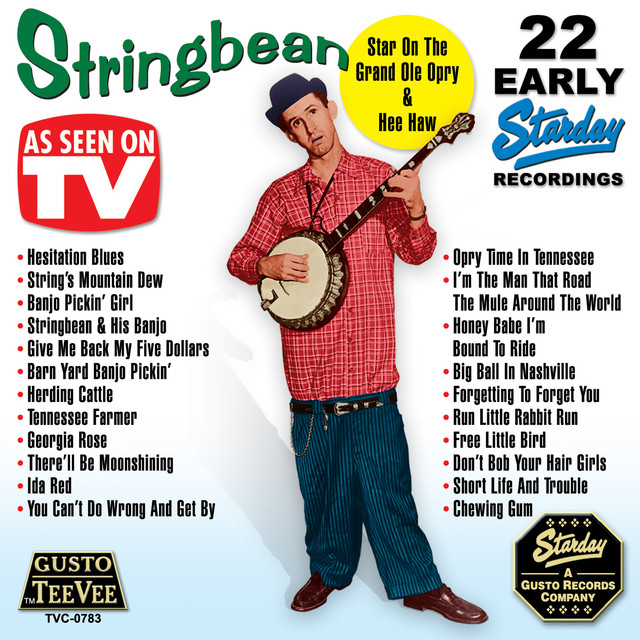
Stringbean


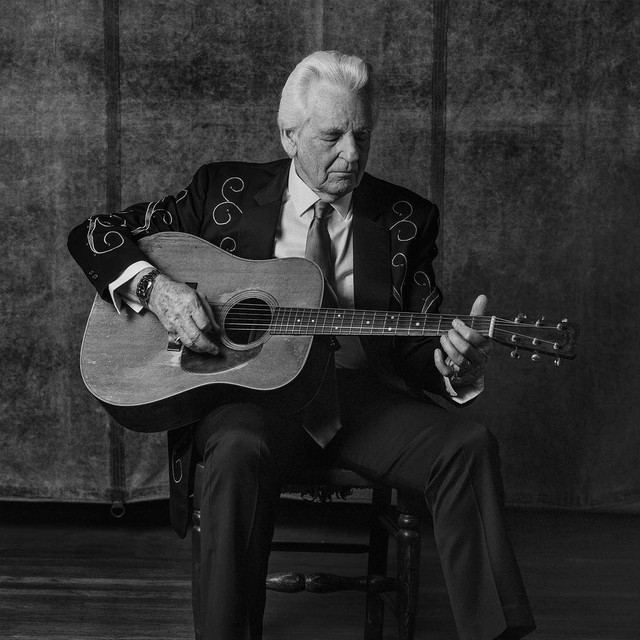
The Del McCoury Band
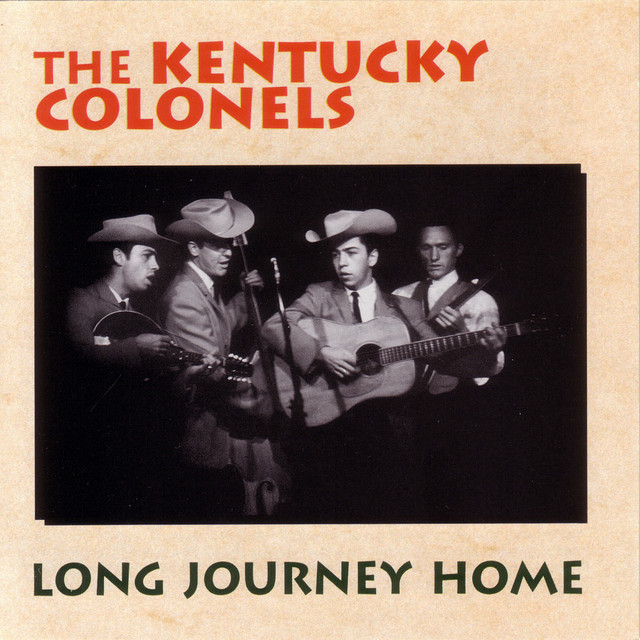

The Po' Ramblin' Boys
Ronnie Bowman