Data may be outdated
Last updated: 2 weeks ago — Click refresh to get the latest statistics.
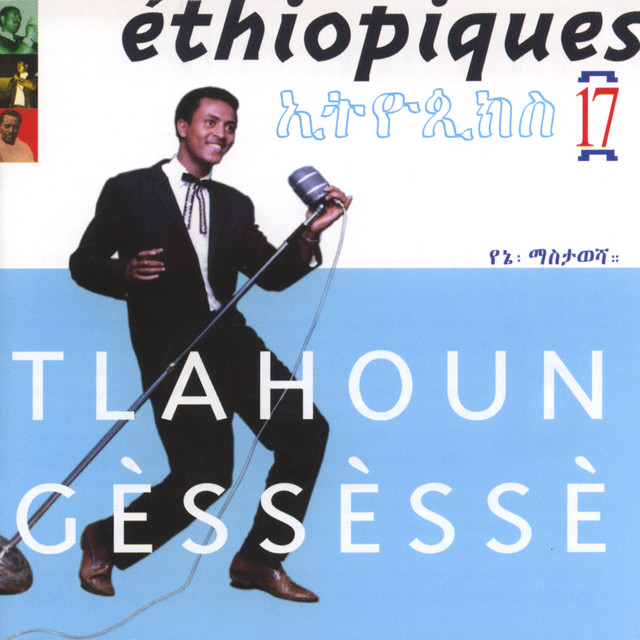
Aspiring vocalists in imperial Ethiopia had few choices but to align with an institutional band like those attached to the military or law enforcement authorities -- the Imperial Bodyguard Band nevertheless proved a perfect fit for Gèssèssè's soulful vocals and impressive stylistic range, and their R&B-influenced energy and swagger remain an essential component of his creative and commercial success. As Gèssèssè's songwriting prowess evolved, his material grew increasingly provocative, and the 1960 smash "Altchalkoum" (I Can't Stand It), though ostensibly an ode to a failing romance, was perceived in many quarters as protest against the Selassie regime -- at year's end, Gèssèssè was arrested and imprisoned, and while he was later released, several key members of the Imperial Bodyguard Band remained incarcerated, implicated in a failed coup d'état.
In the years following his release, Gèssèssè performed several times before Selassie, and as the 1960s unfolded, the emperor adopted a more liberal perspective on government, a shift cited as a catalyst behind Addis Ababa's emergence as the creative apex of the African continent. The 1960s and early '70s remain celebrated as the golden age of Ethiopian dance music, and Gèssèssè was consistently at the forefront, teaming with renowned arranger <a href="spotify:artist:7HGFXtBhRq3g1Ma3nH4Rgv">Mulatu Astatqé</a> for a series of now-classic hits ranging from the propulsive "Tchuheten Betsemu" to the lushly romantic "Mona Liza" to the devastating ballad "Semu" -- while recording most of his output in Amharic, he also cut a number of efforts in Oromiffa, exponentially expanding his audience in the process. Gèssèssè recorded close to 100 songs on cassette, and when the Ethiopian music industry turned to vinyl in the late '60s, he cut another 73. However, when Selassie was overthrown by military junta on September 12, 1974, many of Gèssèssè's songs were again banned, and increasing censorship restrictions effectively heralded the end of Ethiopia's musical renaissance.
Gèssèssè nevertheless continued performing, turning his attention to a series of charitable recordings and live events to raise funds for famine victims. He later received an honorary doctorate degree from Addis Ababa University in appreciation of his contribution to Ethiopian music, and also earned a lifetime achievement honor from the Ethiopian Fine Art and Mass Media Prize Trust. Gèssèssè battled diabetes in the final years of his life but continued touring, playing several dates in the United States just days prior to suffering a fatal heart attack on April 19, 2009 -- more than a million Ethiopians, including government officials and entertainers, paid their last respects at the Addis Ababa state funeral that followed four days later. Gèssèssè was 68. ~ Jason Ankeny, Rovi
Monthly Listeners
10,425
Monthly Listeners History
Track the evolution of monthly listeners over the last 28 days.
Followers
17,381
Followers History
Track the evolution of followers over the last 28 days.
Total Streams
3.5 million
Total Streams History
Track the evolution of total streams over the last 28 days. This data is calculated from all tracks listed in the artist's discography.
Top Cities




Related Artists


Mahmoud Ahmed

Bezunesh Bekele
Tèwèldè Rèdda


Tèshomè Meteku


Muluken Mellesse

Muluken Melesse
Teshome Mitiku

Bezuayene Zegeye


Muluken Melesse
Tekle Tesfa-ezghi


Bahru Kegne

Seifu Yohannes
Gigi
Frew Haylou