Genre
ethiopian jazz
Top Ethiopian jazz Artists
Showing 25 of 363 artists









About Ethiopian jazz
Ethiopian jazz, or Ethio-jazz, is a warm, hypnotic fusion that grew out of Addis Ababa in the 1960s and found its own distinct voice by combining Ethiopia’s traditional melodic language with the improvisational energy of jazz. It didn’t arrive as a single formula, but as a living conversation: Ethiopian modal melodies and pentatonic scales meeting swing, funk, Afro-Cuban rhythms, and the textures of Western keyboards and horns. The result is a sound that feels ancient and modern at once—bright with brass, spacious with modal harmony, and propelled by grooves that can swing with the ease of a dance floor and haunt with a nocturnal mood.
Historically, Ethio-jazz crystallized during a so-called “golden era” of Ethiopian popular music, when Addis Ababa was a cosmopolitan capital buzzing with clubs, radio bands, and studio sessions. Musicians experimented with jazz arrangements while honoring Ethiopian musical forms. The genre’s most widely acknowledged architect is Mulatu Astatke, often called the father (or ambassador) of Ethio-jazz. Astatke studied and absorbed Western jazz vocabulary, then returned to Ethiopia to fuse it with the country’s scales and rhythms, creating a template that many other artists would explore and expand. His early work, especially collaborations with singers who could deliver the dramatic phrasing his compositions demanded, became a blueprint for the sound’s elegant tension between improvisation and tradition.
If Mulatu is the genre’s most celebrated figure, other pivotal players helped keep Ethio-jazz alive and evolving. The Walias Band, the big-chorus, rhythm-driven groups of Addis Ababa’s clubs in the 1960s and 70s, brought horns, electric piano, and tight rhythm sections into the Ethio-jazz blend. Vocalists such as Mahmoud Ahmed and Alemayehu Eshete (Dagem) brought soulful, expressive voices into the mix, often pairing with instrumentalists who could ride a groove into expansive solos. Hailu Mergia, a keyboardist whose work with the Walias Band and later as a solo artist and collaborator helped bridge traditional Ethiopian textures with more contemporary forms, is another figure regularly cited among Ethio-jazz’s ambassadors.
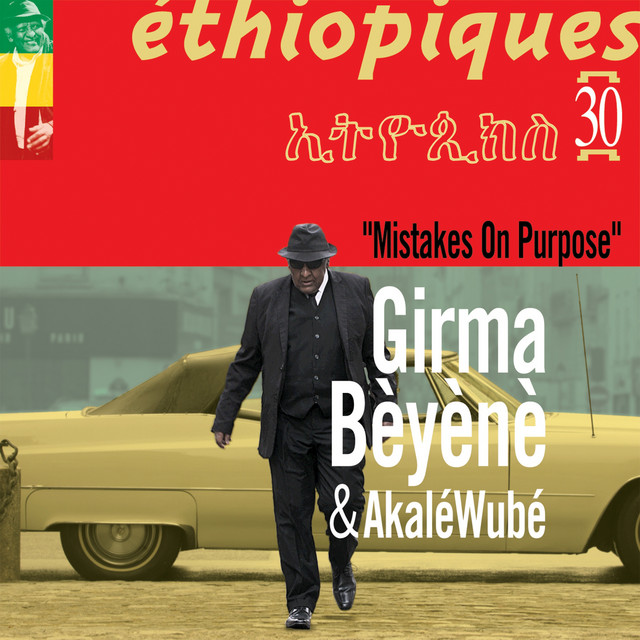
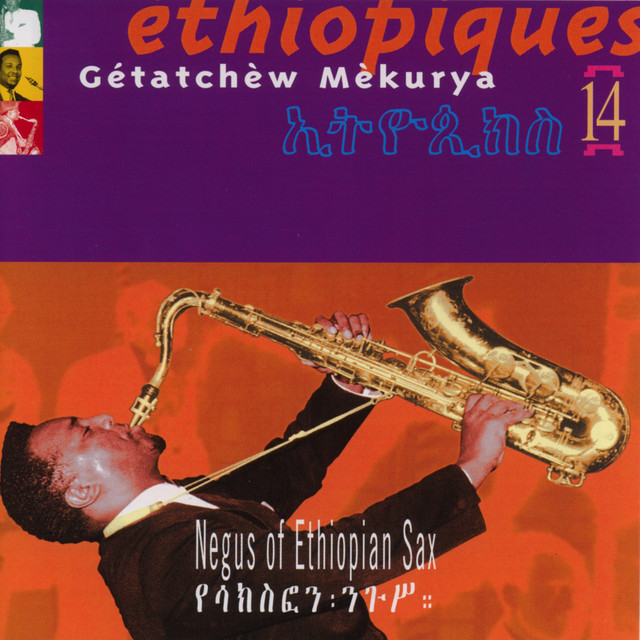
The genre’s aura crossed continents through the Éthiopiques series, curated by French producer Francis Falceto, which reissued and highlighted archival Ethio-jazz recordings from the 1960s and 70s. Those releases, and later labels like Strut Records, helped spark a worldwide revival: European cities, North America’s avant-jazz and world-music scenes, and even Japan developed a devoted audience. Today Ethio-jazz infuses contemporary Ethiopian scenes and diaspora artists, sometimes blending with hip-hop, electronica, or modern funk while still honoring that distinctive Ethiopian modal color and patient, storytelling-driven phrasing.
Ethio-jazz remains most beloved in Ethiopia and across East Africa, with a robust following in Europe and North America where listeners prize its intoxicating blend of ancient-sounding modes and modern improvisational freedom. It’s a genre that rewards attentive listening—you hear the microtonal bends, the spare, cinematic spaces, and brass lines that float like sunlight on a desert road—yet it also invites you to move and groove. For enthusiasts, Ethio-jazz offers a doorway into a musical world where tradition, innovation, and a cosmopolitan spirit coexist in a single, unforgettable sound.
Historically, Ethio-jazz crystallized during a so-called “golden era” of Ethiopian popular music, when Addis Ababa was a cosmopolitan capital buzzing with clubs, radio bands, and studio sessions. Musicians experimented with jazz arrangements while honoring Ethiopian musical forms. The genre’s most widely acknowledged architect is Mulatu Astatke, often called the father (or ambassador) of Ethio-jazz. Astatke studied and absorbed Western jazz vocabulary, then returned to Ethiopia to fuse it with the country’s scales and rhythms, creating a template that many other artists would explore and expand. His early work, especially collaborations with singers who could deliver the dramatic phrasing his compositions demanded, became a blueprint for the sound’s elegant tension between improvisation and tradition.
If Mulatu is the genre’s most celebrated figure, other pivotal players helped keep Ethio-jazz alive and evolving. The Walias Band, the big-chorus, rhythm-driven groups of Addis Ababa’s clubs in the 1960s and 70s, brought horns, electric piano, and tight rhythm sections into the Ethio-jazz blend. Vocalists such as Mahmoud Ahmed and Alemayehu Eshete (Dagem) brought soulful, expressive voices into the mix, often pairing with instrumentalists who could ride a groove into expansive solos. Hailu Mergia, a keyboardist whose work with the Walias Band and later as a solo artist and collaborator helped bridge traditional Ethiopian textures with more contemporary forms, is another figure regularly cited among Ethio-jazz’s ambassadors.
The genre’s aura crossed continents through the Éthiopiques series, curated by French producer Francis Falceto, which reissued and highlighted archival Ethio-jazz recordings from the 1960s and 70s. Those releases, and later labels like Strut Records, helped spark a worldwide revival: European cities, North America’s avant-jazz and world-music scenes, and even Japan developed a devoted audience. Today Ethio-jazz infuses contemporary Ethiopian scenes and diaspora artists, sometimes blending with hip-hop, electronica, or modern funk while still honoring that distinctive Ethiopian modal color and patient, storytelling-driven phrasing.
Ethio-jazz remains most beloved in Ethiopia and across East Africa, with a robust following in Europe and North America where listeners prize its intoxicating blend of ancient-sounding modes and modern improvisational freedom. It’s a genre that rewards attentive listening—you hear the microtonal bends, the spare, cinematic spaces, and brass lines that float like sunlight on a desert road—yet it also invites you to move and groove. For enthusiasts, Ethio-jazz offers a doorway into a musical world where tradition, innovation, and a cosmopolitan spirit coexist in a single, unforgettable sound.