Data may be outdated
Last updated: 3 weeks ago — Click refresh to get the latest statistics.
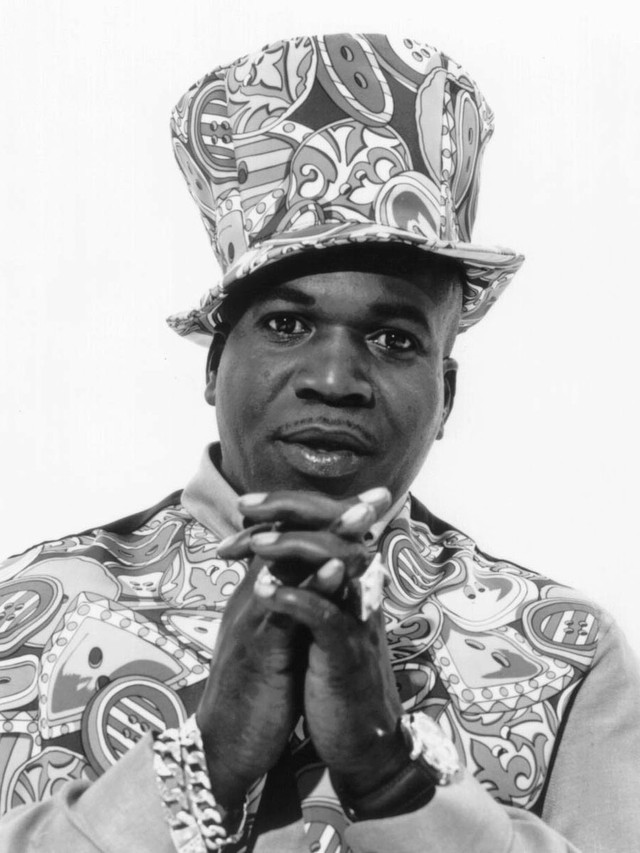
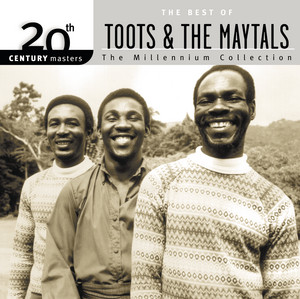
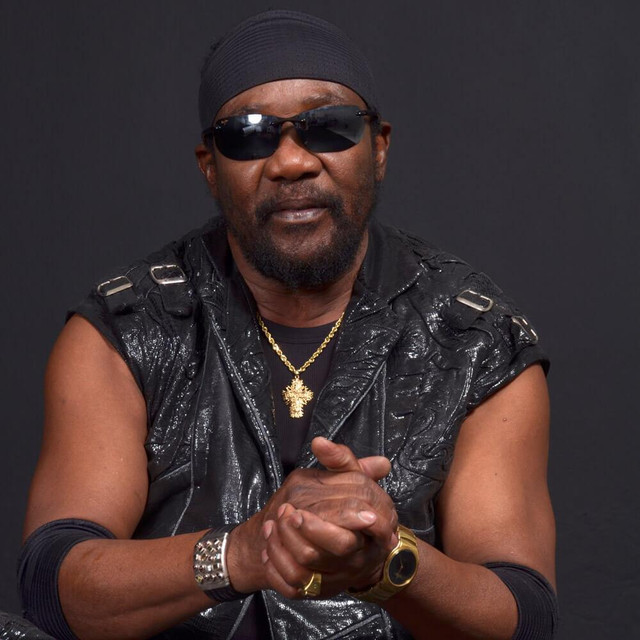
Toots & the Maytals were founded by <a href="spotify:artist:6McXmoIhUTNwdyzXBLWAG2">Frederick "Toots" Hibbert</a>, who was born in May Pen, Clarendon Parish, Jamaica in 1945. <a href="spotify:artist:6McXmoIhUTNwdyzXBLWAG2">Hibbert</a> was the youngest in a family of seven children, and first took up singing as a member of the church choir. In 1961, <a href="spotify:artist:6McXmoIhUTNwdyzXBLWAG2">Hibbert</a> set out for Kingston and struck up a friendship with Nathaniel "Jerry" Matthias and Henry "Raleigh" Gordon, a pair of singers with a smattering of recording experience. The three formed a vocal group, and in 1962 they were discovered by producer Clement "Coxsone" Dodd, who signed them to his <a href="spotify:search:label%3A%22Studio+One%22">Studio One</a> label. After releasing a debut single, "Hallelujah," under the name the Vikings, the trio became known as the Maytals, and beginning with "Fever," they issued a number of singles that were compiled into the 1963 album Never Grow Old. The Maytals' <a href="spotify:search:label%3A%22Studio+One%22">Studio One</a> sides featured accompaniment by the legendary Jamaican band <a href="spotify:artist:4og9jrin5xH5JiFPbeGUPb">the Skatalites</a>, and were dominated by strong, gospel-influenced close harmonies and <a href="spotify:artist:6McXmoIhUTNwdyzXBLWAG2">Hibbert</a>'s soulful lead vocals. After two years with <a href="spotify:search:label%3A%22Studio+One%22">Studio One</a>, the Maytals briefly worked with producer and ska pioneer <a href="spotify:artist:75S63f1AmZUa9gpQvlt5NB">Prince Buster</a> before signing on with another Jamaican record man of note, <a href="spotify:artist:1qerVYQkyneFNgZfMKH6HX">Byron Lee</a>, in 1965. The <a href="spotify:artist:1qerVYQkyneFNgZfMKH6HX">Lee</a>-produced material showed that the Maytals were developing a more mature and polished approach, but the group hit a serious roadblock in 1966, when <a href="spotify:artist:6McXmoIhUTNwdyzXBLWAG2">Hibbert</a> was arrested for possession of marijuana; he was convicted, and would serve a year behind bars.
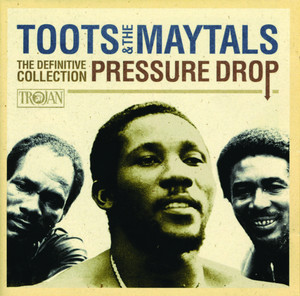
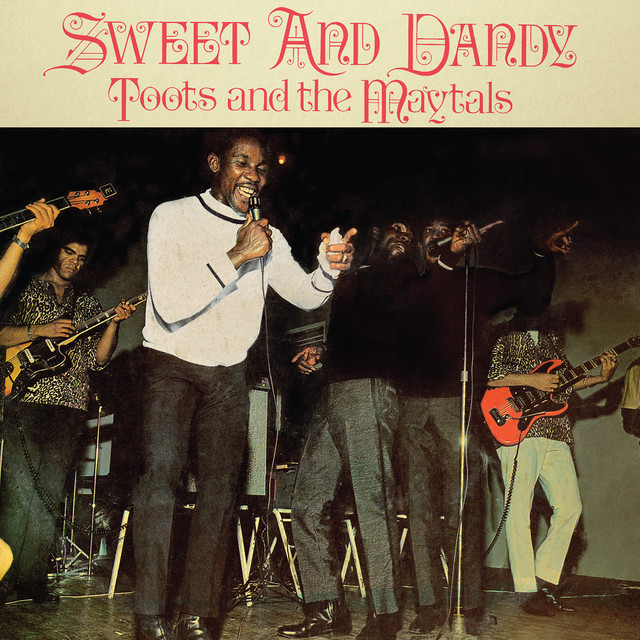
In 1967, <a href="spotify:artist:6McXmoIhUTNwdyzXBLWAG2">Hibbert</a> was a free man, and he reunited with Matthias and Gordon, renaming the group Toots & the Maytals. <a href="spotify:artist:6McXmoIhUTNwdyzXBLWAG2">Hibbert</a>'s stay in prison coincided with ska fading from the musical landscape in Jamaica as the proto-reggae sounds of rocksteady took its place. The new style suited Toots & the Maytals, and they signed with producer <a href="spotify:artist:7pfXISxo1nRPljiImq1BLp">Leslie Kong</a>, with whom the band would record some of their biggest hits, including "Pressure Drop," "Sweet and Dandy," "Monkey Man," "54-46 (That's My Number)," and "Do the Reggay," the latter often cited as the song that gave the new style of music its name. When "Monkey Man" became a British hit in 1970, Toots & the Maytals began enjoying success outside Jamaica for the first time, and in 1972, "Pressure Drop" and "Sweet and Dandy" were featured on the soundtrack of the film The Harder They Come, starring <a href="spotify:artist:3rJ3m1tM6vUgiWLjfV8sRf">Jimmy Cliff</a>. The movie was a smash in Jamaica and became an art house sensation in the United States, as the film and its soundtrack album helped make American listeners aware of the growing reggae phenomenon.
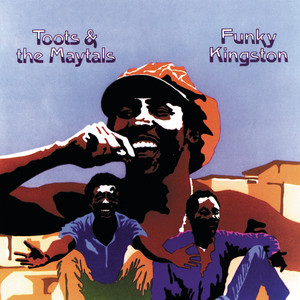
In 1971, <a href="spotify:artist:7pfXISxo1nRPljiImq1BLp">Leslie Kong</a> died, and Warwick Lyn, <a href="spotify:artist:7pfXISxo1nRPljiImq1BLp">Kong</a>'s primary recording engineer, took over as the group's producer. Chris Blackwell, whose <a href="spotify:search:label%3A%22Island+Records%22">Island Records</a> label was enjoying success releasing reggae material in the U.K. and U.S. (particularly Bob Marley & the Wailers), also joined their production team, and before long he would sign the group to <a href="spotify:search:label%3A%22Island%22">Island</a>, releasing a revamped version of the album Funky Kingston in the United States in 1975. That same year, Toots & the Maytals made their American concert debut opening a tour for <a href="spotify:artist:67ea9eGLXYMsO2eYQRui3w">the Who</a>, though their stateside audience gave <a href="spotify:artist:6McXmoIhUTNwdyzXBLWAG2">Toots</a> a cool reception.
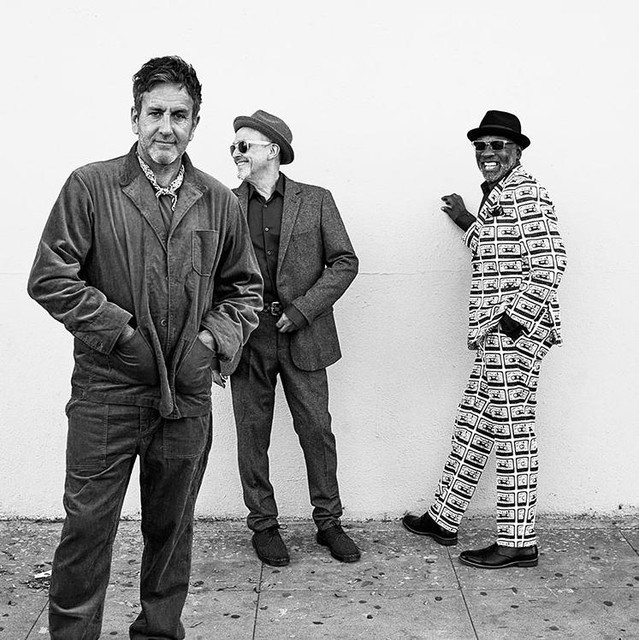
With the 1976 album Reggae Got Soul, <a href="spotify:search:label%3A%22Island%22">Island</a> hoped to open up Toots & the Maytals to the R&B audience in America, but while the record was well received, their American following remained little more than a lively cult. The band focused on pleasing their Jamaican and British fans with their next two albums, 1979's Pass the Pipe and 1980's Just Like That, and they made their way into The Guinness Book of World Records with their next release, Live; recorded during a concert at London's Hammersmith Palais, an early limited-edition release of the LP was available in shops within 24 hours of the performance it captured. By this time, a new generation of fans was discovering the Maytals after <a href="spotify:artist:3RGLhK1IP9jnYFH4BRFJBS">the Clash</a> covered "Pressure Drop" and <a href="spotify:artist:6xnvNmSzmeOE1bLKnYXKW3">the Specials</a> included "Monkey Man" on their debut album.
Following the release of the 1981 album Knock Out!, the trio split up, and Matthias and Gordon retired from the music business, while <a href="spotify:artist:6McXmoIhUTNwdyzXBLWAG2">Hibbert</a> continued as a solo artist. Though <a href="spotify:artist:6McXmoIhUTNwdyzXBLWAG2">Hibbert</a> stayed busy as a live act, he didn't record again until 1988, when after playing a well-received set at the New Orleans Jazz & Heritage Festival, he was approached by the head of <a href="spotify:search:label%3A%22Mango+Records%22">Mango Records</a> about cutting an album of American soul and R&B classics. Toots in Memphis paired <a href="spotify:artist:6McXmoIhUTNwdyzXBLWAG2">Hibbert</a> with the powerhouse Jamaican rhythm section of <a href="spotify:artist:2Ub1N1tF1AK2NkWvw87oP8">Sly Dunbar</a> and <a href="spotify:artist:1co5N5ZN9iygsdYdo04CqC">Robbie Shakespeare</a> and members of the Hi Records and <a href="spotify:search:label%3A%22Stax+Records%22">Stax Records</a> studio bands. The album was enthusiastically received by critics and earned <a href="spotify:artist:6McXmoIhUTNwdyzXBLWAG2">Hibbert</a> a Grammy nomination.
In the mid-'90s, <a href="spotify:artist:6McXmoIhUTNwdyzXBLWAG2">Hibbert</a> assembled a new version of Toots & the Maytals without Gordon and Matthias, and toured extensively while recording a handful of albums for various reggae specialist labels. Toots & the Maytals made a high-profile comeback in 2004 with the album True Love, in which <a href="spotify:artist:6McXmoIhUTNwdyzXBLWAG2">Toots</a> re-recorded a number of his best and best-known songs with a stellar collection of guest stars, including <a href="spotify:artist:6PAt558ZEZl0DmdXlnjMgD">Eric Clapton</a>, <a href="spotify:artist:0cQbJU1aAzvbEmTuljWLlF">No Doubt</a>, <a href="spotify:artist:5W5bDNCqJ1jbCgTxDD0Cb3">Willie Nelson</a>, <a href="spotify:artist:4KDyYWR7IpxZ7xrdYbKrqY">Bonnie Raitt</a>, <a href="spotify:artist:08avsqaGIlK2x3i2Cu7rKH">Keith Richards</a>, and <a href="spotify:artist:78xUyw6FkVZrRAtziFdtdu">the Roots</a>. After this Grammy-winning collection of duets, <a href="spotify:artist:6McXmoIhUTNwdyzXBLWAG2">Hibbert</a> stepped back to the spotlight on his own for 2007's Light Your Light, and in 2012 his latest edition of the Maytals set out on a global acoustic tour to commemorate the 50th anniversary of their recording debut. A pair of concert albums, Reggae Got Soul: Unplugged on Strawberry Hill and Live! appeared that same year. After a 2013 incident in which <a href="spotify:artist:6McXmoIhUTNwdyzXBLWAG2">Hibbert</a> was hurt by a vodka bottle thrown by an intoxicated fan, he eased back on his career, performing occasionally but staying away from the studio. However, when noted musician and reggae fan <a href="spotify:artist:4h4l0uPYNCYJQZF4ZzugIy">Zak Starkey</a> launched a new label, <a href="spotify:search:label%3A%22Trojan+Jamaica%22">Trojan Jamaica</a>, one of the first acts he signed was Toots & the Maytals, and their first release for the company, Got to Be Tough, arrived in August 2020. <a href="spotify:artist:6McXmoIhUTNwdyzXBLWAG2">Hibbert</a>'s comeback proved to be a last hurrah when he was hospitalized with COVID-19 symptoms shortly after the album's release. <a href="spotify:artist:6McXmoIhUTNwdyzXBLWAG2">Toots Hibbert</a> died in Kingston, Jamaica on September 11, 2020. ~ Mark Deming, Rovi
Monthly Listeners
1.7 million
Monthly Listeners History
Track the evolution of monthly listeners over the last 28 days.
Followers
518,364
Followers History
Track the evolution of followers over the last 28 days.
Total Streams
1.3 billion
Total Streams History
Track the evolution of total streams over the last 28 days. This data is calculated from all tracks listed in the artist's discography.
Top Cities

Related Artists

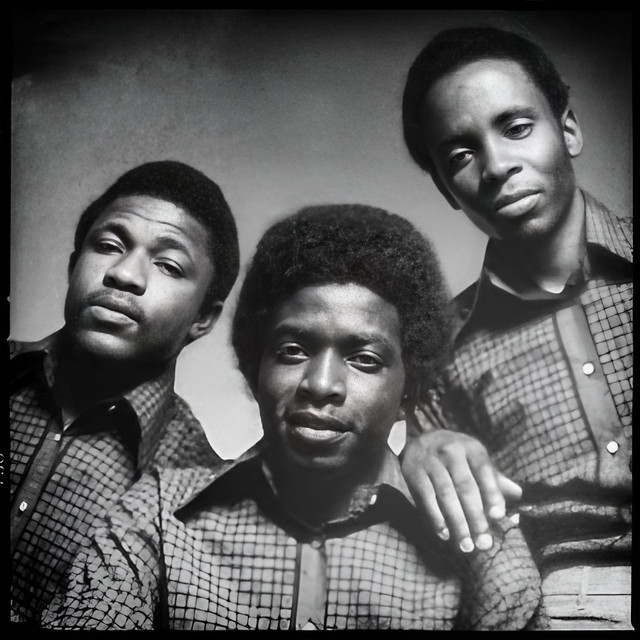
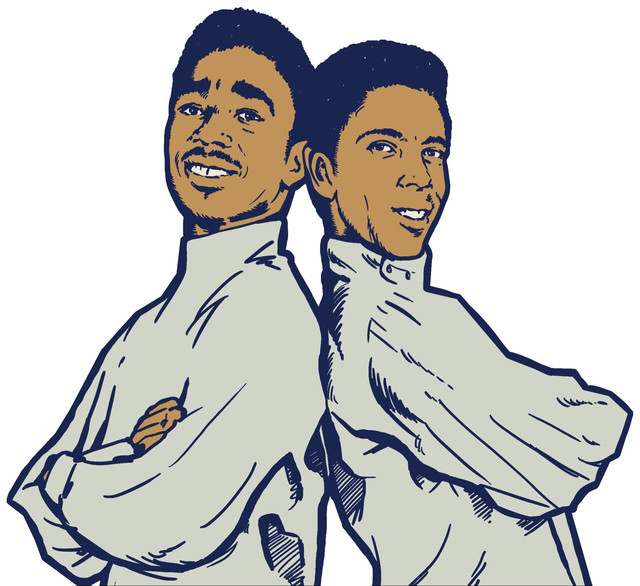
The Pioneers