
Data may be outdated
Last updated: 7 months ago — Click refresh to get the latest statistics.
Although not a major musician himself, Vic Lewis was an important force in British jazz beginning in the 1930s, leading bands covered a wide range of styles. A rhythm guitarist (he started when he was three) and an occasional cornetist and trombonist in his early days, Lewis gained early experience leading a band that included the teenage <a href="spotify:artist:7uUBTiZ2u5b40vymlFmXrn">George Shearing</a>. When he first visited the U.S. in 1938, he led a couple of Dixieland-oriented recording sessions that included <a href="spotify:artist:5Wx29PEKBUtWOiTA3kOOXq">Bobby Hackett</a>, <a href="spotify:artist:1YaB5mqH5zlJqvJaKIsBrS">Eddie Condon</a>, and <a href="spotify:artist:61EY7PIU7wT3t3766ZTvqB">Pee Wee Russell</a>. Lewis served in the RAF during 1941-1944 but was still able to record as a rhythm guitarist with Buddy Featherstonhaugh and led a series of recorded jam sessions during 1944-1945. Lewis worked with <a href="spotify:artist:6AfbDYupHV5e6nse9W6tKG">Stéphane Grappelli</a> (1944-1945) and <a href="spotify:artist:4v8G8fM1P0Nrn9nZZW0ziT">Ted Heath</a>, and had a Dixieland band before organizing his first big band in 1946. Originally a swing group, by 1947 Lewis' orchestra was strongly influenced by <a href="spotify:artist:27hSR8e34ZM5vj5fUFixyb">Stan Kenton</a>; in fact, through the years <a href="spotify:artist:27hSR8e34ZM5vj5fUFixyb">Kenton</a> gave the British bandleader copies of many of his orchestra's arrangements including charts (sometimes not previously recorded) by <a href="spotify:artist:6NLW1QaFwxrhGeuBehGXUj">Pete Rugolo</a>, <a href="spotify:artist:6l40OFJhuTbHQ9V12evc9K">Gerry Mulligan</a>, and <a href="spotify:artist:0Ouo7BAL9KvlpA8YcR7JFI">Bill Holman</a>, among others. Billed as "The Music of Tomorrow by the Band of Today," <a href="spotify:artist:7vQLW6ivfoiTkm0q2YYOYo">the Vic Lewis Orchestra</a> also often featured the charts of the ensemble's pianist, <a href="spotify:artist:6kUZnkyuIOARpNvd39n3gN">Ken Thorne</a>. Lewis visited the U.S. with his band during a tour in 1956-1957 and again during 1958-1959. The orchestra recorded during the 1947-1956 period for <a href="spotify:search:label%3A%22Parlophone%22">Parlophone</a>, <a href="spotify:search:label%3A%22Esquire%22">Esquire</a>, <a href="spotify:search:label%3A%22Decca%22">Decca</a>, and <a href="spotify:search:label%3A%22Philips%22">Philips</a> and the big band (although a bit derivative) was considered one of England's best. Although he retired from music for a time in 1959, Lewis subsequently led occasional bands, made occasional recordings (including a 1989 session featuring <a href="spotify:artist:4SaqsRSzDcdnl4pSeygIMR">the West Coast All-Stars</a> playing <a href="spotify:artist:0Ouo7BAL9KvlpA8YcR7JFI">Bill Holman</a> arrangements and several other dates in the 1990s for <a href="spotify:search:label%3A%22Candid%22">Candid</a>), and acted as a propagandist for jazz in general. Vic Lewis died in London on February 9, 2009 at the age of 89. ~ Scott Yanow, Rovi


Related Artists

ダスコ・ゴイコヴィッチ
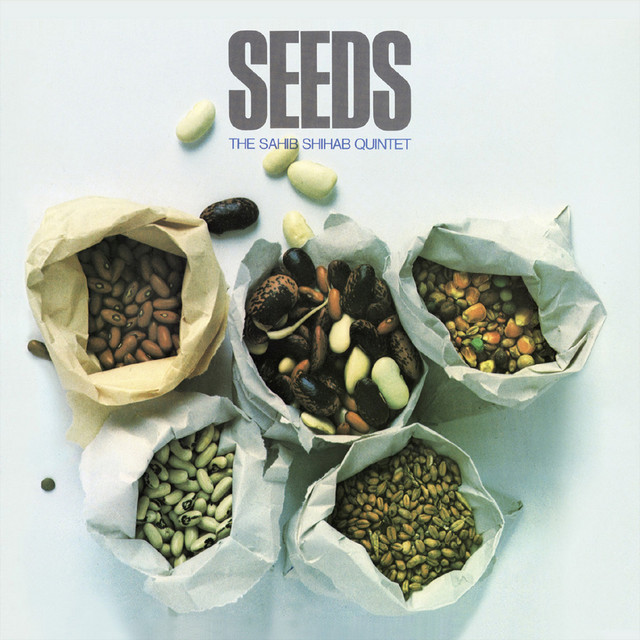
The Sahib Shihab Quintet
Antonio Pedro Hatch

Max Leth

Bill Barron Orchestra
Johnny Dankworth Band
Bill Le Sage featured with the Tony Kinsey Quintet

Living Percussion

北野タダオとアロージャズ
Johnny Scott Quintet
Derek Warne
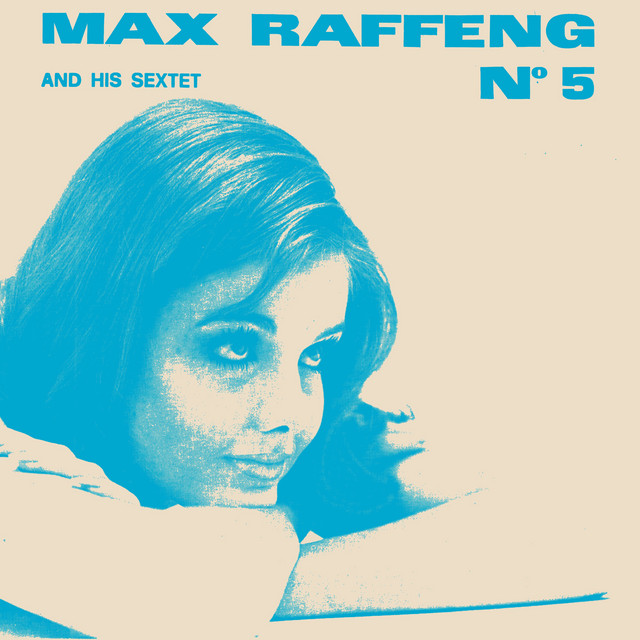
Max Raffeng and his Sextet
The Danish Jazzballet Society Ensemble

Egil Monn-Iversen Orchestra
Fran Feese & Associates

S H kvartet
