Genre
jazz blues
Top Jazz blues Artists
Showing 25 of 610 artists
About Jazz blues
Jazz blues is a fluid meeting point between two distinctly American voices: the raw emotional pull of the blues and the improvisational, harmonic breadth of jazz. It treats blues forms not as rigid templates but as springboards for collective swing, inventive soloing, and conversational interplay. The result is a sound that can feel intimate and smoky one moment, expansive and virtuosic the next.
Origins trace back to New Orleans in the early 20th century, where African American street bands, funeral processions, ragtime pianists, and blues singers mingled. By the 1910s and 1920s, the city’s clubs and recording studios helped codify a jazz-language that could ride a blues head—often a 12-bar or 8-bar progression—yet leave plenty of room for chromatic improvisation, blue notes (flattened thirds, fifths, and sevenths), and polyphonic horn lines. As musicians moved north during the Great Migration, Chicago and New York became crucibles for the genre, giving the music a bigger stage and a more buoyant sense of swing while preserving its blues-rooted soul.
What sets jazz blues apart is how it treats the blues idiom as a living, improvisational parameters set rather than a fixed repertoire. The rhythm section—drums, bass, piano or guitar—provides a swinging, often polyphonic foundation, while horn players or pianists expand the form with bold, conversational solos. Singers add a vocal blues ethos—emotional pacing, micro-phrased inflection, and storytelling—without losing the improvisational impulse.
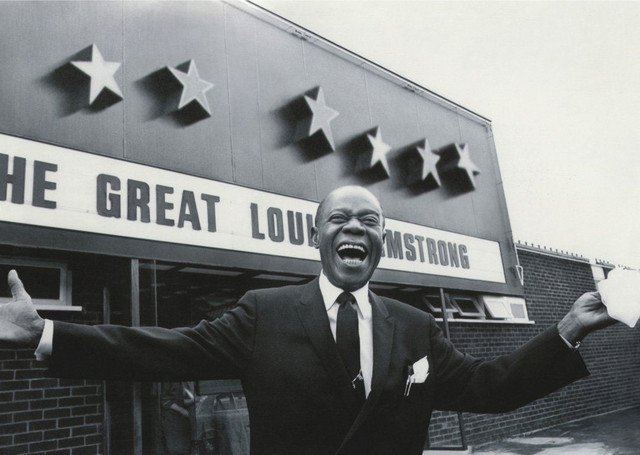
Key ambassadors span generations. Early pioneers like Louis Armstrong helped turn blues-inflected phrasing into a global statement of jazz vitality, while Duke Ellington and Count Basie developed arrangements that wove bluesy blues notes into sophisticated large-ensemble textures. In the bebop era, Charlie Parker and Dizzy Gillespie absorbed blues vocabulary into blistering improvisation, expanding the vocabulary while honoring its roots. Miles Davis bridged modal and bluesy moods, pushing the language toward cooler, more economical lines. John Coltrane explored spiritual depths through blues-inflected improvisation. In the modern era, artists such as Wynton Marsalis have renewed attention to the traditional jazz-blues vocabulary, and contemporary voices like Kamasi Washington expand the form into sprawling, color-rich suites that still owe a debt to the blues.
Jazz blues enjoys broad popularity beyond the United States. Europe—especially France, the United Kingdom, and Scandinavia—has long embraced the genre’s improvisational generosity. Japan’s vibrant jazz scene also cherishes the blues-informed idiom, while Latin American players bring heat and rhythmic variety that enrich the harmonic palette. Practically every jazz musician, from the hard-bopping soloist to the swing-time big band leader, remains to some degree influenced by the jazz blues lineage.
For enthusiasts, the journey often begins with Armstrong’s West End Blues or St. Louis Blues, continues through Ellington’s and Basie’s blues-tinged masterpieces, and moves into Parker, Miles, Coltrane, and modern explorations that keep the blues spirit alive inside jazz’s expansive horizon.
Origins trace back to New Orleans in the early 20th century, where African American street bands, funeral processions, ragtime pianists, and blues singers mingled. By the 1910s and 1920s, the city’s clubs and recording studios helped codify a jazz-language that could ride a blues head—often a 12-bar or 8-bar progression—yet leave plenty of room for chromatic improvisation, blue notes (flattened thirds, fifths, and sevenths), and polyphonic horn lines. As musicians moved north during the Great Migration, Chicago and New York became crucibles for the genre, giving the music a bigger stage and a more buoyant sense of swing while preserving its blues-rooted soul.
What sets jazz blues apart is how it treats the blues idiom as a living, improvisational parameters set rather than a fixed repertoire. The rhythm section—drums, bass, piano or guitar—provides a swinging, often polyphonic foundation, while horn players or pianists expand the form with bold, conversational solos. Singers add a vocal blues ethos—emotional pacing, micro-phrased inflection, and storytelling—without losing the improvisational impulse.
Key ambassadors span generations. Early pioneers like Louis Armstrong helped turn blues-inflected phrasing into a global statement of jazz vitality, while Duke Ellington and Count Basie developed arrangements that wove bluesy blues notes into sophisticated large-ensemble textures. In the bebop era, Charlie Parker and Dizzy Gillespie absorbed blues vocabulary into blistering improvisation, expanding the vocabulary while honoring its roots. Miles Davis bridged modal and bluesy moods, pushing the language toward cooler, more economical lines. John Coltrane explored spiritual depths through blues-inflected improvisation. In the modern era, artists such as Wynton Marsalis have renewed attention to the traditional jazz-blues vocabulary, and contemporary voices like Kamasi Washington expand the form into sprawling, color-rich suites that still owe a debt to the blues.
Jazz blues enjoys broad popularity beyond the United States. Europe—especially France, the United Kingdom, and Scandinavia—has long embraced the genre’s improvisational generosity. Japan’s vibrant jazz scene also cherishes the blues-informed idiom, while Latin American players bring heat and rhythmic variety that enrich the harmonic palette. Practically every jazz musician, from the hard-bopping soloist to the swing-time big band leader, remains to some degree influenced by the jazz blues lineage.
For enthusiasts, the journey often begins with Armstrong’s West End Blues or St. Louis Blues, continues through Ellington’s and Basie’s blues-tinged masterpieces, and moves into Parker, Miles, Coltrane, and modern explorations that keep the blues spirit alive inside jazz’s expansive horizon.