Data may be outdated
Last updated: 9 months ago — Click refresh to get the latest statistics.
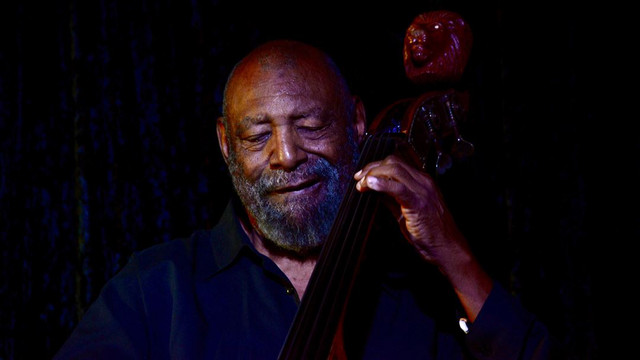
Nicknamed "The Skipper," bassist Henry Franklin first garnered widespread attention playing on South African trumpeter <a href="spotify:artist:1b3F5FI7TX4IWTNA4P1kWp">Hugh Masekela</a>'s 1968 hit "Grazin' in the Grass" before establishing himself as a leading West Coast funk and modal jazz player. He released two cult albums for the legendary <a href="spotify:search:label%3A%22Black+Jazz+Records%22">Black Jazz Records</a> label, including 1971's The Skipper, and has recorded with such luminaries as <a href="spotify:artist:0yvEf1tqWWPiZu4ZbjyKGs">Woody Shaw</a>, <a href="spotify:artist:1xIC7zdokMyFfUiFOnDw4o">Julian Priester</a>, <a href="spotify:artist:0fTHKjepK5HWOrb2rkS5Em">Freddie Hubbard</a>, and <a href="spotify:artist:6BvSJSt6l7QJO2GHvtwFOK">Hampton Hawes</a>. Franklin eventually founded his own label and continued to release albums, including 2009's Home Cookin', 2015's Two Views, and his 2016 <a href="spotify:artist:2EsmKkHsXK0WMNGOtIhbxr">McCoy Tyner</a> tribute, High Voltage. He has also collaborated on projects, including 2022's Daggerboard and the Skipper with trumpeter <a href="spotify:artist:3CuZvKBotrDwbV0PjZv7NC">Erik Jekabson</a> and percussionist <a href="spotify:artist:6oAoVD5lUcohHxeP4Zi6Uj">Gregory Howe</a>, and 2022's JID014 with <a href="spotify:artist:4aMeIY7MkJoZg7O91cmDDd">Adrian Younge</a> and producer <a href="spotify:artist:6adBZwsyxZuWDoty0Tg0lt">Ali Shaheed Muhammad</a>.
Born in 1940 in Los Angeles, Franklin grew up in a musical family the son of noted West Coast jazz trumpeter and bandleader Sammy Franklin. Encouraged by his father, he played the clarinet and piano, and even took tap dancing lessons before settling on the bass. Following early classical training, he studied privately with jazz bassists <a href="spotify:artist:5SeP4LY3IETDelJgMu6dOO">Al McKibbon</a> and George Morrow. He also drew inspiration from the recordings of players like <a href="spotify:artist:0M1UOBJZ9tcKJbrbnVlHZG">Paul Chambers</a> and <a href="spotify:artist:3j0ZsENc1qq8vQ0stKX2z1">Doug Watkins</a>. While still in high school he played professionally, working in vibraphonist <a href="spotify:artist:6R9Mv0bgGE4Tqxna1q5Mrj">Roy Ayers</a>' <a href="spotify:artist:5WUwsBL2coThAnMnCYbpN1">Latin Jazz Quintet</a> alongside <a href="spotify:artist:2QAX1NsHShxdn1PQZuhYc5">Bill Henderson</a>, Carl Burnett, and Elmo Jones. Gigging in Los Angeles, he also worked with <a href="spotify:artist:47odibUtrN3lnWx0p0pk2P">Ornette Coleman</a>, <a href="spotify:artist:3uPWecBPNXAChysw1uOJwI">Don Cherry</a>, <a href="spotify:artist:6FmHMrX0jETx6WNGzyZKRs">Billy Higgins</a>, and <a href="spotify:artist:4g7uUySyORXh2KgDEhgxXa">Scott LaFaro</a>.
Around 1968, he spent a year touring the East Coast with <a href="spotify:artist:74Dnr5flGLfLeyV85l0NUr">Willie Bobo</a>, during which time he also picked up gigs with <a href="spotify:artist:7C2DSqaNkh0w77O5Jz1FKh">Archie Shepp</a>, <a href="spotify:artist:6nCAbymHv2MRYV1sluCDr9">Roswell Rudd</a>, Lamont Johnson, and others. It was on one of these nights that he caught the attention of South African trumpeter <a href="spotify:artist:1b3F5FI7TX4IWTNA4P1kWp">Hugh Masekela</a>, who hired Franklin to join his band. Franklin made his recorded debut with <a href="spotify:artist:1b3F5FI7TX4IWTNA4P1kWp">Masekela</a> on his 1968 album, The Promise of the Future, which included the classic hit 'Grazin' in the Grass." He also appeared alongside <a href="spotify:artist:1b3F5FI7TX4IWTNA4P1kWp">Masekela</a> in D.A. Pennebaker's documentary film of the 1967 Monterey Pop Festival. More work followed, including appearing on the Three Sounds final 1969 album, Soul Symphony.
As a leader, Franklin debuted with 1971's The Skipper on the Oakland-based <a href="spotify:search:label%3A%22Black+Jazz+Records%22">Black Jazz Records</a> label. A vibrant blend of modal jazz, funk, and soul, it featured his group with trumpeter <a href="spotify:artist:6ncD8Ffk7sDchcMZUDw68k">Oscar Brashear</a>, saxophonist <a href="spotify:artist:1y3HW9HbXpCw32FslQ9cyl">Charles Owens</a>, electric pianist <a href="spotify:artist:2QAX1NsHShxdn1PQZuhYc5">Bill Henderson</a>, and drummer <a href="spotify:artist:3CBMQWrDKDfioTV0i5THvv">Michael Carvin</a>. He followed in 1974 with a second <a href="spotify:search:label%3A%22Black+Jazz+Records%22">Black Jazz Records</a> release, The Skipper at Home, which featured the same group augmented by pianist <a href="spotify:artist:20XugxiKfBdgSLOdn7RX8y">Kirk Lightsey</a> and drummer <a href="spotify:artist:1LJPMbjmWohx8pVh4bZfAs">Leon "Ndugu" Chancler</a>. He also recorded with saxophonist John Carter and trumpeter <a href="spotify:artist:3iysE3N9e6nZZ6kHUoiOCl">Bobby Bradford</a>, producing 1970's Self-Determination Music and 1973's Secrets. There were also sessions with <a href="spotify:artist:0yvEf1tqWWPiZu4ZbjyKGs">Woody Shaw</a>, <a href="spotify:artist:6plyOBsqrNKBe1Y1zitlK5">Gene Russell</a>, <a href="spotify:artist:0fTHKjepK5HWOrb2rkS5Em">Freddie Hubbard</a>, <a href="spotify:artist:1xIC7zdokMyFfUiFOnDw4o">Julian Priester</a>, <a href="spotify:artist:0JbqyQSsMK7TavqlR0yNON">Bobbi Humphrey</a>, <a href="spotify:artist:1jcPgyzUoFrMSI5jloL3LD">Harold Land</a>, and <a href="spotify:artist:6BvSJSt6l7QJO2GHvtwFOK">Hampton Hawes</a>. In 1977, he released his third solo album, Tribal Dance. He also continued to reach beyond jazz, contributing to <a href="spotify:artist:7guDJrEfX3qb6FEbdPA5qi">Stevie Wonder</a>'s 1979 album Journey Through the Secret Life of Plants.
Franklin stayed active in the '80s and '90s, recording with <a href="spotify:artist:1hVCzp4i06uCzdwUVsCIke">Dennis Gonzalez</a> and working with <a href="spotify:artist:3JLUCojZaHrX2LaUkSj7Ud">Pharoah Sanders</a>, <a href="spotify:artist:1VEzN9lxvG6KPR3QQGsebR">Sonny Rollins</a>, <a href="spotify:artist:7FMGtucexJvUxVz7scydEL">Joe Williams</a>, <a href="spotify:artist:3uO6HG2JwyP744sg4PMmg5">Bobby Hutcherson</a>, and others. He also toured often in Europe and released a handful of his own albums, including 1985's We Came to Play and 1996's Bassic Instincts. For over a decade, he played a regular five-night gig at The Mission Inn in Riverside, California, a run that ended in 2011. During this period, he continued to release albums, many on his own <a href="spotify:search:label%3A%22Skipper+Productions%22">Skipper Productions</a> label, including 2007's If We Should Meet Again, 2009's Home Cookin', and 2015's Two Views. He also published a bass method book titled Bassically Yours. In 2016, he released High Voltage, a tribute to <a href="spotify:artist:2EsmKkHsXK0WMNGOtIhbxr">McCoy Tyner</a> with pianist <a href="spotify:artist:46JtILlAYmERHWc7dlbRlo">Bill Heid</a> and drummer Carl Burnett. Daggerboard and the Skipper, a collaboration between Franklin, trumpeter/composer <a href="spotify:artist:3CuZvKBotrDwbV0PjZv7NC">Erik Jekabson</a>, and percussionist/composer <a href="spotify:artist:6oAoVD5lUcohHxeP4Zi6Uj">Gregory Howe</a>, arrived in 2022. Also that year, he collaborated with instrumentalist <a href="spotify:artist:4aMeIY7MkJoZg7O91cmDDd">Adrian Younge</a> and producer <a href="spotify:artist:6adBZwsyxZuWDoty0Tg0lt">Ali Shaheed Muhammad</a> on JID014, as part of their ongoing Jazz Is Dead Series. ~ Matt Collar, Rovi
Born in 1940 in Los Angeles, Franklin grew up in a musical family the son of noted West Coast jazz trumpeter and bandleader Sammy Franklin. Encouraged by his father, he played the clarinet and piano, and even took tap dancing lessons before settling on the bass. Following early classical training, he studied privately with jazz bassists <a href="spotify:artist:5SeP4LY3IETDelJgMu6dOO">Al McKibbon</a> and George Morrow. He also drew inspiration from the recordings of players like <a href="spotify:artist:0M1UOBJZ9tcKJbrbnVlHZG">Paul Chambers</a> and <a href="spotify:artist:3j0ZsENc1qq8vQ0stKX2z1">Doug Watkins</a>. While still in high school he played professionally, working in vibraphonist <a href="spotify:artist:6R9Mv0bgGE4Tqxna1q5Mrj">Roy Ayers</a>' <a href="spotify:artist:5WUwsBL2coThAnMnCYbpN1">Latin Jazz Quintet</a> alongside <a href="spotify:artist:2QAX1NsHShxdn1PQZuhYc5">Bill Henderson</a>, Carl Burnett, and Elmo Jones. Gigging in Los Angeles, he also worked with <a href="spotify:artist:47odibUtrN3lnWx0p0pk2P">Ornette Coleman</a>, <a href="spotify:artist:3uPWecBPNXAChysw1uOJwI">Don Cherry</a>, <a href="spotify:artist:6FmHMrX0jETx6WNGzyZKRs">Billy Higgins</a>, and <a href="spotify:artist:4g7uUySyORXh2KgDEhgxXa">Scott LaFaro</a>.
Around 1968, he spent a year touring the East Coast with <a href="spotify:artist:74Dnr5flGLfLeyV85l0NUr">Willie Bobo</a>, during which time he also picked up gigs with <a href="spotify:artist:7C2DSqaNkh0w77O5Jz1FKh">Archie Shepp</a>, <a href="spotify:artist:6nCAbymHv2MRYV1sluCDr9">Roswell Rudd</a>, Lamont Johnson, and others. It was on one of these nights that he caught the attention of South African trumpeter <a href="spotify:artist:1b3F5FI7TX4IWTNA4P1kWp">Hugh Masekela</a>, who hired Franklin to join his band. Franklin made his recorded debut with <a href="spotify:artist:1b3F5FI7TX4IWTNA4P1kWp">Masekela</a> on his 1968 album, The Promise of the Future, which included the classic hit 'Grazin' in the Grass." He also appeared alongside <a href="spotify:artist:1b3F5FI7TX4IWTNA4P1kWp">Masekela</a> in D.A. Pennebaker's documentary film of the 1967 Monterey Pop Festival. More work followed, including appearing on the Three Sounds final 1969 album, Soul Symphony.
As a leader, Franklin debuted with 1971's The Skipper on the Oakland-based <a href="spotify:search:label%3A%22Black+Jazz+Records%22">Black Jazz Records</a> label. A vibrant blend of modal jazz, funk, and soul, it featured his group with trumpeter <a href="spotify:artist:6ncD8Ffk7sDchcMZUDw68k">Oscar Brashear</a>, saxophonist <a href="spotify:artist:1y3HW9HbXpCw32FslQ9cyl">Charles Owens</a>, electric pianist <a href="spotify:artist:2QAX1NsHShxdn1PQZuhYc5">Bill Henderson</a>, and drummer <a href="spotify:artist:3CBMQWrDKDfioTV0i5THvv">Michael Carvin</a>. He followed in 1974 with a second <a href="spotify:search:label%3A%22Black+Jazz+Records%22">Black Jazz Records</a> release, The Skipper at Home, which featured the same group augmented by pianist <a href="spotify:artist:20XugxiKfBdgSLOdn7RX8y">Kirk Lightsey</a> and drummer <a href="spotify:artist:1LJPMbjmWohx8pVh4bZfAs">Leon "Ndugu" Chancler</a>. He also recorded with saxophonist John Carter and trumpeter <a href="spotify:artist:3iysE3N9e6nZZ6kHUoiOCl">Bobby Bradford</a>, producing 1970's Self-Determination Music and 1973's Secrets. There were also sessions with <a href="spotify:artist:0yvEf1tqWWPiZu4ZbjyKGs">Woody Shaw</a>, <a href="spotify:artist:6plyOBsqrNKBe1Y1zitlK5">Gene Russell</a>, <a href="spotify:artist:0fTHKjepK5HWOrb2rkS5Em">Freddie Hubbard</a>, <a href="spotify:artist:1xIC7zdokMyFfUiFOnDw4o">Julian Priester</a>, <a href="spotify:artist:0JbqyQSsMK7TavqlR0yNON">Bobbi Humphrey</a>, <a href="spotify:artist:1jcPgyzUoFrMSI5jloL3LD">Harold Land</a>, and <a href="spotify:artist:6BvSJSt6l7QJO2GHvtwFOK">Hampton Hawes</a>. In 1977, he released his third solo album, Tribal Dance. He also continued to reach beyond jazz, contributing to <a href="spotify:artist:7guDJrEfX3qb6FEbdPA5qi">Stevie Wonder</a>'s 1979 album Journey Through the Secret Life of Plants.
Franklin stayed active in the '80s and '90s, recording with <a href="spotify:artist:1hVCzp4i06uCzdwUVsCIke">Dennis Gonzalez</a> and working with <a href="spotify:artist:3JLUCojZaHrX2LaUkSj7Ud">Pharoah Sanders</a>, <a href="spotify:artist:1VEzN9lxvG6KPR3QQGsebR">Sonny Rollins</a>, <a href="spotify:artist:7FMGtucexJvUxVz7scydEL">Joe Williams</a>, <a href="spotify:artist:3uO6HG2JwyP744sg4PMmg5">Bobby Hutcherson</a>, and others. He also toured often in Europe and released a handful of his own albums, including 1985's We Came to Play and 1996's Bassic Instincts. For over a decade, he played a regular five-night gig at The Mission Inn in Riverside, California, a run that ended in 2011. During this period, he continued to release albums, many on his own <a href="spotify:search:label%3A%22Skipper+Productions%22">Skipper Productions</a> label, including 2007's If We Should Meet Again, 2009's Home Cookin', and 2015's Two Views. He also published a bass method book titled Bassically Yours. In 2016, he released High Voltage, a tribute to <a href="spotify:artist:2EsmKkHsXK0WMNGOtIhbxr">McCoy Tyner</a> with pianist <a href="spotify:artist:46JtILlAYmERHWc7dlbRlo">Bill Heid</a> and drummer Carl Burnett. Daggerboard and the Skipper, a collaboration between Franklin, trumpeter/composer <a href="spotify:artist:3CuZvKBotrDwbV0PjZv7NC">Erik Jekabson</a>, and percussionist/composer <a href="spotify:artist:6oAoVD5lUcohHxeP4Zi6Uj">Gregory Howe</a>, arrived in 2022. Also that year, he collaborated with instrumentalist <a href="spotify:artist:4aMeIY7MkJoZg7O91cmDDd">Adrian Younge</a> and producer <a href="spotify:artist:6adBZwsyxZuWDoty0Tg0lt">Ali Shaheed Muhammad</a> on JID014, as part of their ongoing Jazz Is Dead Series. ~ Matt Collar, Rovi
Monthly Listeners
4,149
Monthly Listeners History
Track the evolution of monthly listeners over the last 28 days.
Followers
4,086
Followers History
Track the evolution of followers over the last 28 days.
Top Cities
118 listeners

76 listeners
63 listeners
63 listeners
52 listeners
Related Artists




The Heath Brothers
Carlos Garnett

Luis Gasca

Bayeté

Maulawi


本田竹曠


Noël McGhie & Space Spies