
Data may be outdated
Last updated: 7 months ago — Click refresh to get the latest statistics.
The brilliant talents of William Albright enabled him to do more in his only 53 years than many performers, composers, and educators are able to do in a full career. Born in Gary, IN, in 1944, Albright received early musical training between 1959 and 1962 at the Juilliard Preparatory Department, where he studied piano with Rosetta Goodkind and began theory and composition study with <a href="spotify:artist:5v0szFByqXeLJrEIHOZigu">Hugh Aitken</a>. In 1963, he began his college career at the University of Michigan, beginning an association that would last the remaining 35 years of his life, years that, not coincidentally, saw the composition department in Ann Arbor ascend to world-class status. His primary composition teachers included <a href="spotify:artist:6LQfNoLYG0aqxWpcZPCdQA">Ross Lee Finney</a> and <a href="spotify:artist:0BZseIJjqUmfe7t2bPBz33">Leslie Bassett</a>; he also excelled at the organ, studying with Marilyn Mason. By 1970, he would receive a doctor of musical arts in composition, with the Alliance for Orchestra, an expansion of his earlier master's composition Masculine-Feminine Part I (1967). As recipient of a Fulbright fellowship (the first of two) in 1968 - 1969, he spent time at the Paris Conservatoire, where he studied with one of the century's foremost composers and teachers, <a href="spotify:artist:6CS9O2pE67oq44GZuBEBuD">Olivier Messiaen</a>. Other major teachers with whom he studied were <a href="spotify:artist:4vvc9NXosBukqi6XPrWI60">George Rochberg</a> and Max Deutsch.
Upon his graduation in 1970, he joined the faculty at the University of Michigan. Albright directed the electronic music studio at the university, specializing in what was becoming known as electro-acoustic music, the blending of acoustic instruments with electronic modifications. He was widely hailed by his composition students for the way in which he allowed them to identify and give voice to their own style; he received the Distinguished Teaching Award from the university.
Even before his formal study was concluded, Albright began to receive what would become a steady stream of commissions, awards, and honors. These included the Queen Marie-Jose Prize for his Organbook I (1967), the American Academy of Arts and Letters Award (1970), two Guggenheim fellowships (1970 and 1986), and three NEA fellowships (1976, 1981, 1984). In 1974, he was commissioned to compose for the 900th anniversary of Chichester Cathedral, producing the Chichester Mass. At UNESCO's International Rostrum of Composers in 1979, Albright was selected to represent the United States, a testament to his rapid ascent; the same year, he was composer-in-residence at the American Academy in Rome. In later years, he was named Composer of the Year by the American Guild of Organists (1993) and in 1995 was recognized by the Richard Wagner Center for outstanding choral composition.
As a composer, Albright's music stands out for its humor and vibrant eclecticism. In such pieces as the Chichester Mass or his oratorio A Song to David (1983), his adoption or rejection of tonality always seems appropriate to the music at hand. Though Albright explored a vast variety of style, it was typically his wont to explore a specific genre within a single movement while touching on several styles over the course of the entire work. This tendency, as well as his knack for subtly alluding to but never actually quoting other compositions, is evidenced in his monumental Five Chromatic Dances for piano (1976). Over the course of a half an hour, Albright references <a href="spotify:artist:7y97mc3bZRFXzT2szRM4L4">Chopin</a> mazurkas, boogie woogie style, and almost everything in between while exploring the range of chromatic motion. Albright widely concertized as an organist with a focus in contemporary music and a pianist specializing exclusively in ragtime music, a style that attracted and influenced he and his colleague <a href="spotify:artist:0Uj2XBKJsuZZsf5xSEPfmS">William Bolcom</a>. William Albright passed away due to health complications stemming from alcoholism.
Upon his graduation in 1970, he joined the faculty at the University of Michigan. Albright directed the electronic music studio at the university, specializing in what was becoming known as electro-acoustic music, the blending of acoustic instruments with electronic modifications. He was widely hailed by his composition students for the way in which he allowed them to identify and give voice to their own style; he received the Distinguished Teaching Award from the university.
Even before his formal study was concluded, Albright began to receive what would become a steady stream of commissions, awards, and honors. These included the Queen Marie-Jose Prize for his Organbook I (1967), the American Academy of Arts and Letters Award (1970), two Guggenheim fellowships (1970 and 1986), and three NEA fellowships (1976, 1981, 1984). In 1974, he was commissioned to compose for the 900th anniversary of Chichester Cathedral, producing the Chichester Mass. At UNESCO's International Rostrum of Composers in 1979, Albright was selected to represent the United States, a testament to his rapid ascent; the same year, he was composer-in-residence at the American Academy in Rome. In later years, he was named Composer of the Year by the American Guild of Organists (1993) and in 1995 was recognized by the Richard Wagner Center for outstanding choral composition.
As a composer, Albright's music stands out for its humor and vibrant eclecticism. In such pieces as the Chichester Mass or his oratorio A Song to David (1983), his adoption or rejection of tonality always seems appropriate to the music at hand. Though Albright explored a vast variety of style, it was typically his wont to explore a specific genre within a single movement while touching on several styles over the course of the entire work. This tendency, as well as his knack for subtly alluding to but never actually quoting other compositions, is evidenced in his monumental Five Chromatic Dances for piano (1976). Over the course of a half an hour, Albright references <a href="spotify:artist:7y97mc3bZRFXzT2szRM4L4">Chopin</a> mazurkas, boogie woogie style, and almost everything in between while exploring the range of chromatic motion. Albright widely concertized as an organist with a focus in contemporary music and a pianist specializing exclusively in ragtime music, a style that attracted and influenced he and his colleague <a href="spotify:artist:0Uj2XBKJsuZZsf5xSEPfmS">William Bolcom</a>. William Albright passed away due to health complications stemming from alcoholism.
Monthly Listeners
2,645
Monthly Listeners History
Track the evolution of monthly listeners over the last 28 days.
Followers
409
Followers History
Track the evolution of followers over the last 28 days.
Top Cities
110 listeners

106 listeners
63 listeners
62 listeners
60 listeners
Related Artists
Will Donaldson
Paul Posnak
Billy Mayerl

Mario-Ratko Delorko

Cary Lewis


Alexander Tscherepnin
Yvonne Desportes

Nicola Melville
Marco Fumo
Eugene List

Richard Dowling
Sigurd Rascher
John Arpin
Joseph Lamb

Robert Hampton

Frederick Hodges
Gary Hammond
Lincoln Mayorga
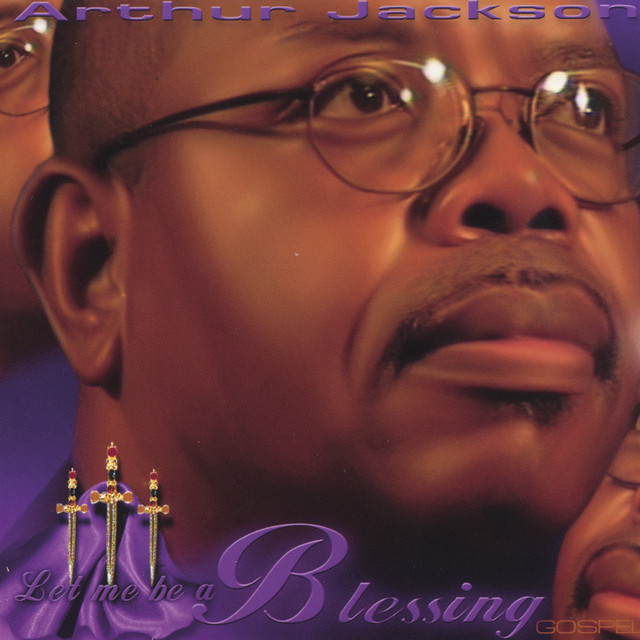
Arthur Jackson
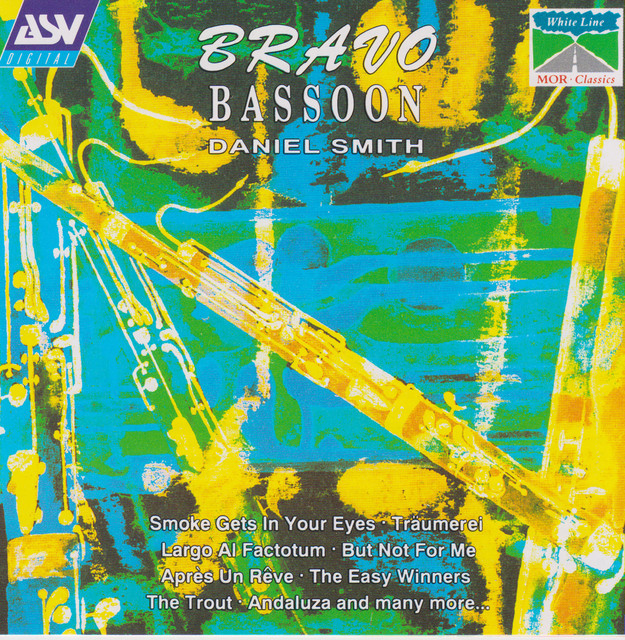
Jonathan Still
Artie Matthews
Berthold Hummel
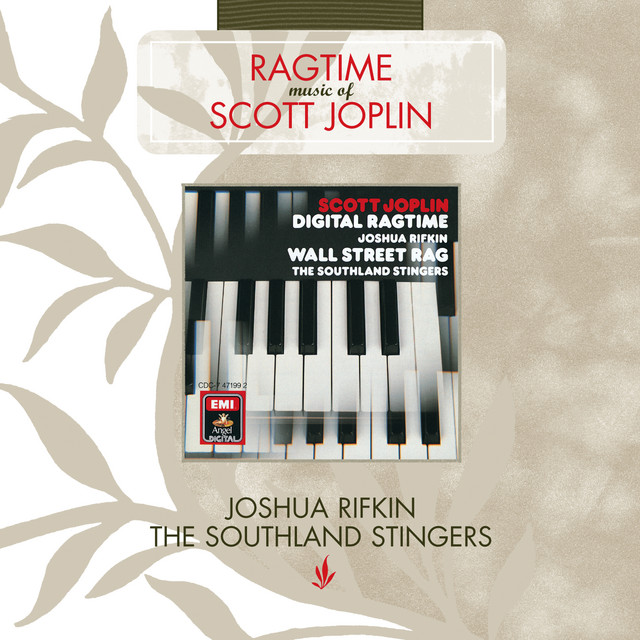
Southland Stingers
Clarence Woods

Sam Pilafian

Richard Glazier

Pianola Rolls
Budapest Clarinet Quintet

Rudy Wiedoeft
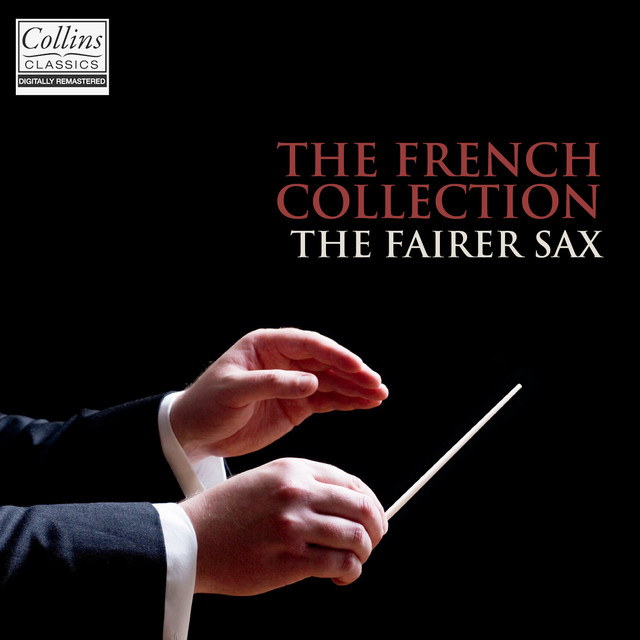
The Fairer Sax
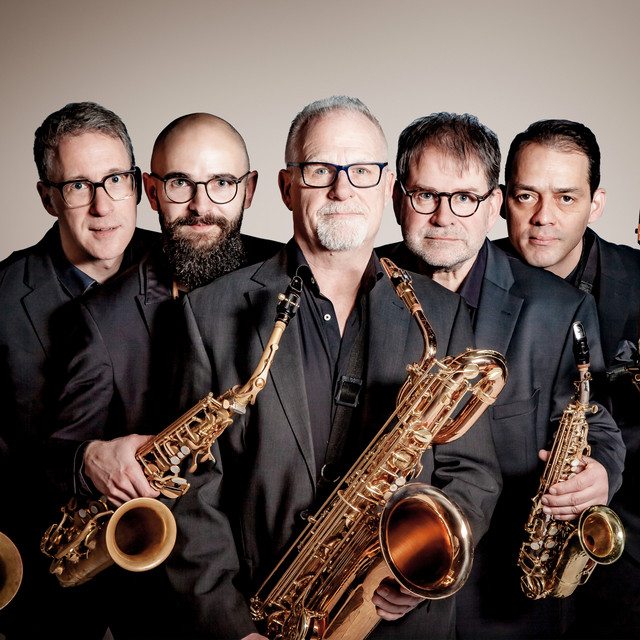
Quintessence Saxophone Quintet

Bryan Wright
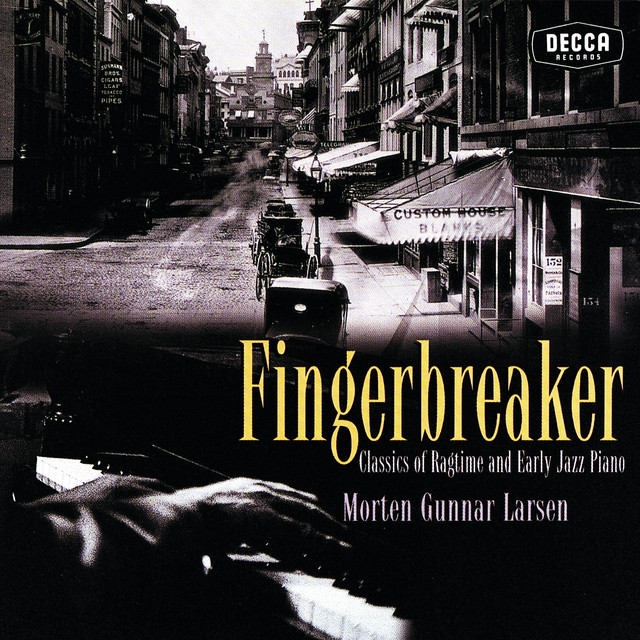
James Hubert Blake
Joseph F. Lamb

Jim Turner
