Data may be outdated
Last updated: 8 months ago — Click refresh to get the latest statistics.
Tabor City, NC, was still called Mount Tabor back when the wonderful, historic old-time music artist Wilmer Wats was born. He got into music as a child and had a real knack for learning instruments, starting with the string family but branching out to the point where he eventually was able to perform as a one-man band, playing five instruments at once. His many recordings include the fantastic "Banjo Sam," a popular choice for a banjo national anthem with its lyrics: "Banjo walk/banjo talk/banjo eating with a knife and fork." Watts made his first recording in 1927, the result of meeting two other musicians in the town of Belmont, where Watts had begun working in a cotton mill since the end of the first World War. The mill was apparently full of good players, and Watts hooked up with guitarists Palmer Rhyne and Charles Freshour. The three formed a trio, called the Gastonia Serenaders and then the Lonely Eagles. Under the latter name, with Watts as leader, the group cut sides for Paramount in 1929. Watts continued toiling in the mills through the depression, but unveiled his one-man band from time to time, covering guitar, drum, fiddle, banjo, and harmonica. When his daughters were old enough, they began performing with him as the Watts Singers, performing at churches, local gatherings, and sometimes street corners. The family was based near Gastonia and performed frequently on the radio in the region of Charlotte and Spartenburg through the late '30s. Following their father's death in the early '40s, the daughters continued performing as the Watts Gospel Singers.
Considering the antiquity of the Watts' discography, it is surprising there isn't even more mystery about what was going on, but old-time music scholars do seem to have issues about which musicians accompanied him on which records. Of great interest to fans of grisly old-time murder ballads would be the confirmed link between Freshour and the vocals on "The Fate of Rhoda Sweeten." "Since the song, about the murder of Charles Freshour's sister, was written by him, it almost surely was sung by him," reports experts at the John Edwards Memorial Foundation, an old-time music publisher and research tank. The multi-instrumentalist nature of Watts and his associates makes pinpointing who plays what instrument on the records much more difficult, even when the names of the musicians are known. Sadly enough, it is even unknown which one of the boys actually plays the fine clawhammer banjo part on "Banjo Sam." ~ Eugene Chadbourne
Considering the antiquity of the Watts' discography, it is surprising there isn't even more mystery about what was going on, but old-time music scholars do seem to have issues about which musicians accompanied him on which records. Of great interest to fans of grisly old-time murder ballads would be the confirmed link between Freshour and the vocals on "The Fate of Rhoda Sweeten." "Since the song, about the murder of Charles Freshour's sister, was written by him, it almost surely was sung by him," reports experts at the John Edwards Memorial Foundation, an old-time music publisher and research tank. The multi-instrumentalist nature of Watts and his associates makes pinpointing who plays what instrument on the records much more difficult, even when the names of the musicians are known. Sadly enough, it is even unknown which one of the boys actually plays the fine clawhammer banjo part on "Banjo Sam." ~ Eugene Chadbourne
Monthly Listeners
109
Monthly Listeners History
Track the evolution of monthly listeners over the last 28 days.
Followers
77
Followers History
Track the evolution of followers over the last 28 days.
Top Cities
3 listeners

3 listeners

Related Artists
The Ray Brothers

Country Nashville

Georgia Yellow Hammers

Hill Billies
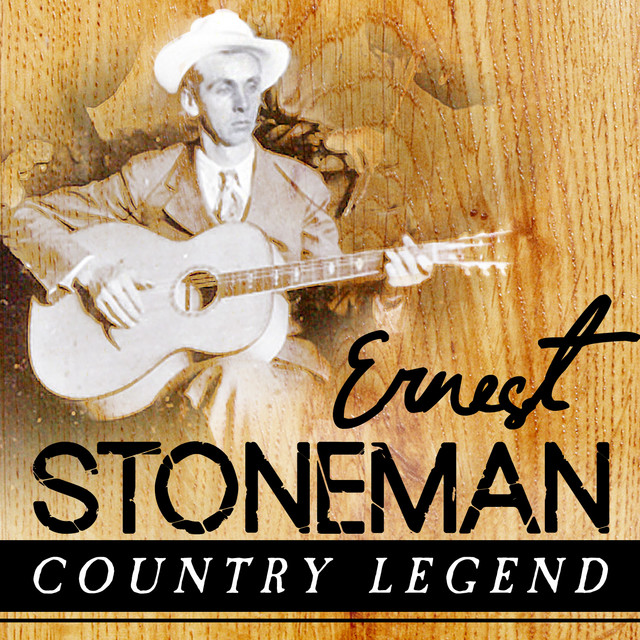

Uncle Eck Dunford
Carolina Ramblers
Gid Tanner & Riley Puckett
Roy Shaffer
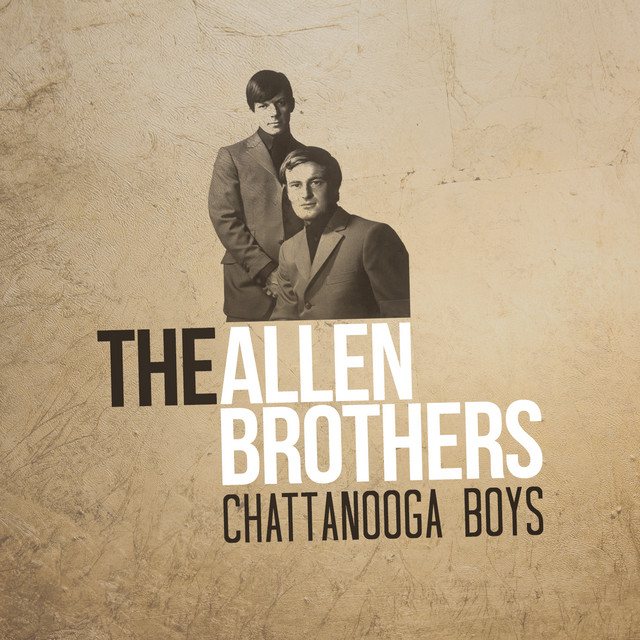
The Allen Brothers
John Hannah

Herschel Brown

Sam Langhorn

