Genre
vintage old-time
Top Vintage old-time Artists
Showing 25 of 26 artists


About Vintage old-time
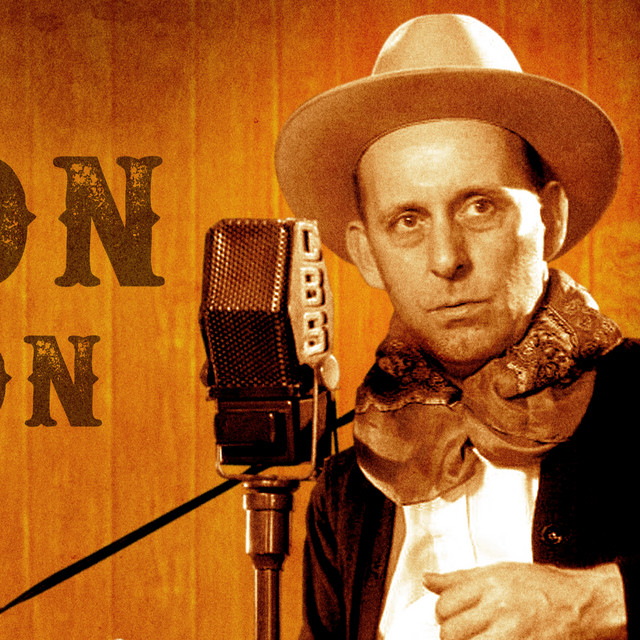
Vintage old-time is a living archive of North American roots, a string-driven tapestry born in the rural hills and valleys of the American Southeast and Appalachia. It grew from a fusion of Scots-Irish fiddling, African American banjo rhythms, ballads, and gospel—soundtracks of work, dance, and community. The core sound is raised by fiddles and banjos, often joined by guitar, mandolin, and upright bass, with a percussionless immediacy that invites storytelling and foot-stomping dance. Clawhammer banjo, a percussive, thumb-driven style, is a hallmark, but old-time embraces a wide palette of tuneful breakdowns, hornpipes, waltzes, and two-steps. The effect is vintage yet vividly alive: intimate, modal tunes ride a rhythmic pulse that can swing from grave to exuberant in a single chorus.
Historically, old-time emerged in the 19th century through a complex exchange of immigrant tunes and local innovations. Appalachian households and traveling fiddlers carried windings of Old World reels and hornpipes, while African American communities contributed rhythmic improvisation and call-and-response textures that flavored the music with a visceral propulsion. By the early 20th century, the repertoire had coalesced into a widely practiced festival and social-music form, rooted in square dances, flatfoot dancing, and community gatherings. The first commercial glimmers appeared in the 1920s, with department-store radio broadcasts and pivotal records such as Fiddlin’ John Carson’s early hillbilly releases and Eck Robertson’s fiddling records, which began to bring rural Appalachian sound to a national audience. These records helped seed a new American radio and recording tradition around “old-time” and what later became known as country music.
Ambassadors and touchstones of vintage old-time include the earliest recording stars who documented the genre's sound for posterity: Fiddlin’ John Carson, Eck Robertson, the Carter Family, and Jimmie Rodgers provided some of the most influential early material. In the mid-20th century, the folk revival refracted old-time through a new lens: Mike Seeger and John Cohen with The New Lost City Ramblers (and like-minded players such as Tom Paley) elevated traditional tunes to a revivalist cachet, teaching and recording with a scholar-musician ethic. Contemporary custodians—Bruce Molsky, Riley Baugus, and modern ensembles like the Foghorn String Band or the Chloe Davis-led circles—keep the repertoire vibrant, expanding it with cross-genre collaborations while preserving the characteristic groove, nuance, and sense of place.
Geographically, vintage old-time is most strongly associated with the United States—especially the Appalachian states of Kentucky, Tennessee, North and South Carolina, Virginia, and West Virginia—yet its pull is international. It enjoys strong communities in Canada and has meaningful followings in the United Kingdom, Ireland, the Netherlands, Germany, and Japan, where festivals, workshops, and transatlantic tours keep the sound in lively circulation. In today’s scene, “vintage old-time” appeals to enthusiasts who savor authenticity, intricate fiddle and banjo dialogue, and the storytelling impulse that makes this music feel like a doorway into a long-vanished yet continually revived American past.
Historically, old-time emerged in the 19th century through a complex exchange of immigrant tunes and local innovations. Appalachian households and traveling fiddlers carried windings of Old World reels and hornpipes, while African American communities contributed rhythmic improvisation and call-and-response textures that flavored the music with a visceral propulsion. By the early 20th century, the repertoire had coalesced into a widely practiced festival and social-music form, rooted in square dances, flatfoot dancing, and community gatherings. The first commercial glimmers appeared in the 1920s, with department-store radio broadcasts and pivotal records such as Fiddlin’ John Carson’s early hillbilly releases and Eck Robertson’s fiddling records, which began to bring rural Appalachian sound to a national audience. These records helped seed a new American radio and recording tradition around “old-time” and what later became known as country music.
Ambassadors and touchstones of vintage old-time include the earliest recording stars who documented the genre's sound for posterity: Fiddlin’ John Carson, Eck Robertson, the Carter Family, and Jimmie Rodgers provided some of the most influential early material. In the mid-20th century, the folk revival refracted old-time through a new lens: Mike Seeger and John Cohen with The New Lost City Ramblers (and like-minded players such as Tom Paley) elevated traditional tunes to a revivalist cachet, teaching and recording with a scholar-musician ethic. Contemporary custodians—Bruce Molsky, Riley Baugus, and modern ensembles like the Foghorn String Band or the Chloe Davis-led circles—keep the repertoire vibrant, expanding it with cross-genre collaborations while preserving the characteristic groove, nuance, and sense of place.
Geographically, vintage old-time is most strongly associated with the United States—especially the Appalachian states of Kentucky, Tennessee, North and South Carolina, Virginia, and West Virginia—yet its pull is international. It enjoys strong communities in Canada and has meaningful followings in the United Kingdom, Ireland, the Netherlands, Germany, and Japan, where festivals, workshops, and transatlantic tours keep the sound in lively circulation. In today’s scene, “vintage old-time” appeals to enthusiasts who savor authenticity, intricate fiddle and banjo dialogue, and the storytelling impulse that makes this music feel like a doorway into a long-vanished yet continually revived American past.