
Country
Ghana
Top Artists from Ghana
Showing 25 of 133 artists
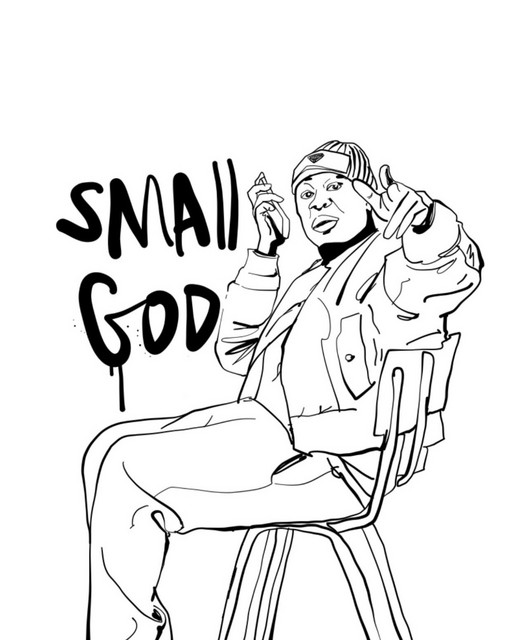
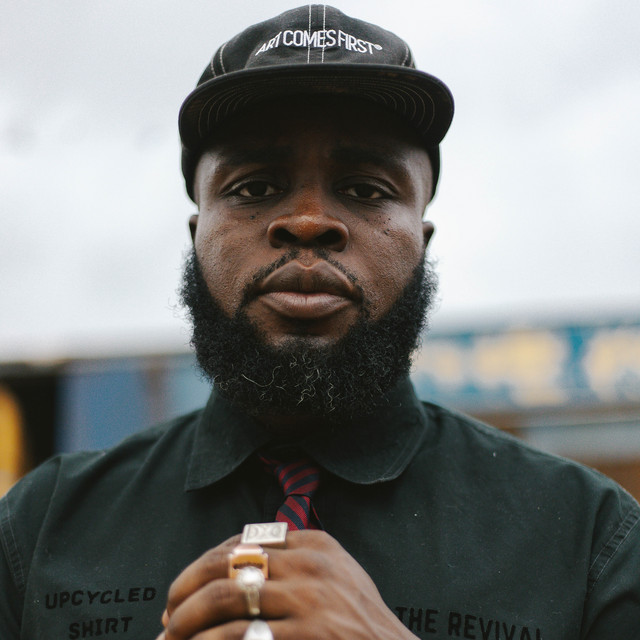
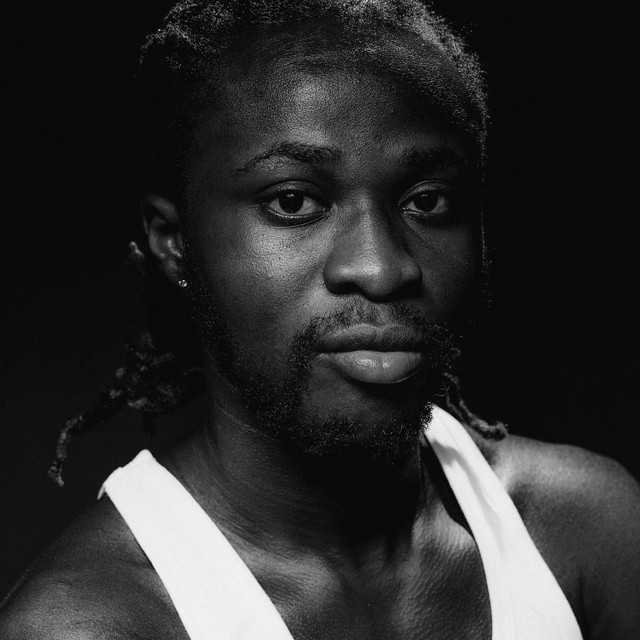
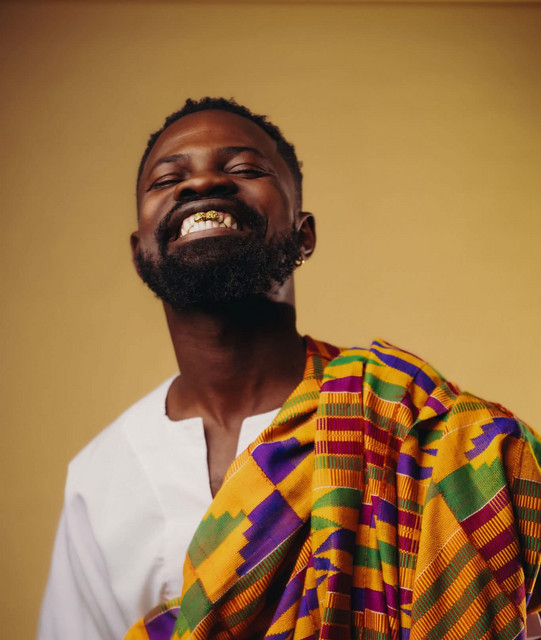


About Ghana
Ghana sits along the Gulf of Guinea in West Africa, a country whose heartbeat is loudest in its music. For music enthusiasts, Ghana offers a living archive of sound: highlife’s bright horns and breezy guitars, the street-smart punch of hiplife, the electric pulse of afrobeats, and intimate gospel harmonies that fill every corner of the nation. With a population of about 32 million people, Ghana is a dense tapestry of languages, rhythms, and stories, and its music reflects that diversity—from bustling Accra studios to fishing villages on the coast.
The arc of Ghanaian music runs from early highlife, which blended Western instruments with traditional palm-wine and swing rhythms, to the birth of hiplife in the 1990s, a fusion of highlife with hip-hop and rap that gave voice to urban youth. Reggie Rockstone is widely celebrated as a pioneer of hiplife, turning Accra’s clubs and street corners into incubators of a distinctly Ghanaian pop sensibility. In the 2000s and 2010s, the country refined that sound, adding danceable grooves and witty lyrics that traveled well beyond borders. The Azonto craze of the early 2010s—an infectious dance and accompanying moves—put Ghanaian creativity on the global map, showing how music, dance, and social media could drive a cultural moment.
Today, Ghana remains a hub of vibrant artists who push in multiple directions at once. Pop-leaning stars like Sarkodie—one of Africa’s most influential rappers—combine rapid-fire verses with social commentary. Dancehall icons Shatta Wale and Stonebwoy bring heavyweight live energy, rivalries, and massive concert crowds. In the pockets between rap and Afrobeats, artists such as E.L, M.anifest, and Kwesi Arthur weave clever lyricism with melodic hooks. The scene also thrives in pop and R&B-inflected forms, with acts like MzVee, Becca, and Gyakie expanding Ghana’s reach. Gospel voices remain powerful too; Diana Hamilton and other gospel artists carry the tradition of vocal exuberance into contemporary stages and broadcasts. Ghanaian musicians continually cross into neighboring markets and the global stage, enriching the wider African soundscape with distinct accents of rhythm, language, and tempo.
For dedicated listeners, Ghana offers a map of crucial venues and events. The Vodafone Ghana Music Awards (VGMA) stands as the country’s premier annual celebration, spotlighting emerging talents and established stars across genres. Live music thrives in places such as the +233 Jazz Bar & Grill in Osu, Accra, a dedicated hub for intimate performances; the Accra International Conference Centre hosts international acts and major concerts; and the National Theatre remains a cultural beacon for theatrical and musical performances. The Chale Wote Street Art Festival in James Town blends performance, street theater, and live music in an immersive, outdoor setting that invites discovery of new artists and sounds.
Ghana’s influence on music is transferable, infectious, and enduring. Its rhythms and production sensibilities have shaped contemporary African pop, while its diaspora communities keep the conversation alive worldwide. For any music enthusiast, Ghana offers a living curriculum in genre fusion, high-energy performances, and a culture that treats music as everyday celebration.
The arc of Ghanaian music runs from early highlife, which blended Western instruments with traditional palm-wine and swing rhythms, to the birth of hiplife in the 1990s, a fusion of highlife with hip-hop and rap that gave voice to urban youth. Reggie Rockstone is widely celebrated as a pioneer of hiplife, turning Accra’s clubs and street corners into incubators of a distinctly Ghanaian pop sensibility. In the 2000s and 2010s, the country refined that sound, adding danceable grooves and witty lyrics that traveled well beyond borders. The Azonto craze of the early 2010s—an infectious dance and accompanying moves—put Ghanaian creativity on the global map, showing how music, dance, and social media could drive a cultural moment.
Today, Ghana remains a hub of vibrant artists who push in multiple directions at once. Pop-leaning stars like Sarkodie—one of Africa’s most influential rappers—combine rapid-fire verses with social commentary. Dancehall icons Shatta Wale and Stonebwoy bring heavyweight live energy, rivalries, and massive concert crowds. In the pockets between rap and Afrobeats, artists such as E.L, M.anifest, and Kwesi Arthur weave clever lyricism with melodic hooks. The scene also thrives in pop and R&B-inflected forms, with acts like MzVee, Becca, and Gyakie expanding Ghana’s reach. Gospel voices remain powerful too; Diana Hamilton and other gospel artists carry the tradition of vocal exuberance into contemporary stages and broadcasts. Ghanaian musicians continually cross into neighboring markets and the global stage, enriching the wider African soundscape with distinct accents of rhythm, language, and tempo.
For dedicated listeners, Ghana offers a map of crucial venues and events. The Vodafone Ghana Music Awards (VGMA) stands as the country’s premier annual celebration, spotlighting emerging talents and established stars across genres. Live music thrives in places such as the +233 Jazz Bar & Grill in Osu, Accra, a dedicated hub for intimate performances; the Accra International Conference Centre hosts international acts and major concerts; and the National Theatre remains a cultural beacon for theatrical and musical performances. The Chale Wote Street Art Festival in James Town blends performance, street theater, and live music in an immersive, outdoor setting that invites discovery of new artists and sounds.
Ghana’s influence on music is transferable, infectious, and enduring. Its rhythms and production sensibilities have shaped contemporary African pop, while its diaspora communities keep the conversation alive worldwide. For any music enthusiast, Ghana offers a living curriculum in genre fusion, high-energy performances, and a culture that treats music as everyday celebration.