
Country
Guinea
Top Artists from Guinea
Showing 9 of 9 artists



About Guinea
Guinea, officially the Republic of Guinea, sits on the Atlantic coast of West Africa and is a country where music breathes in every street, square, and market. For music enthusiasts, Guinea offers a vivid panorama of traditions and contemporary sounds, rooted in a griot heritage and enriched by urban club culture that crosses borders. French is the official language, but Susu, Malinke, Fula, Kissi, and many other tongues carry the rhythms and stories of villages that keep the musical imagination alive. With a population of roughly 13.5 million people, Guinea is a energetic mosaic of communities, each contributing its own color to the national soundscape.
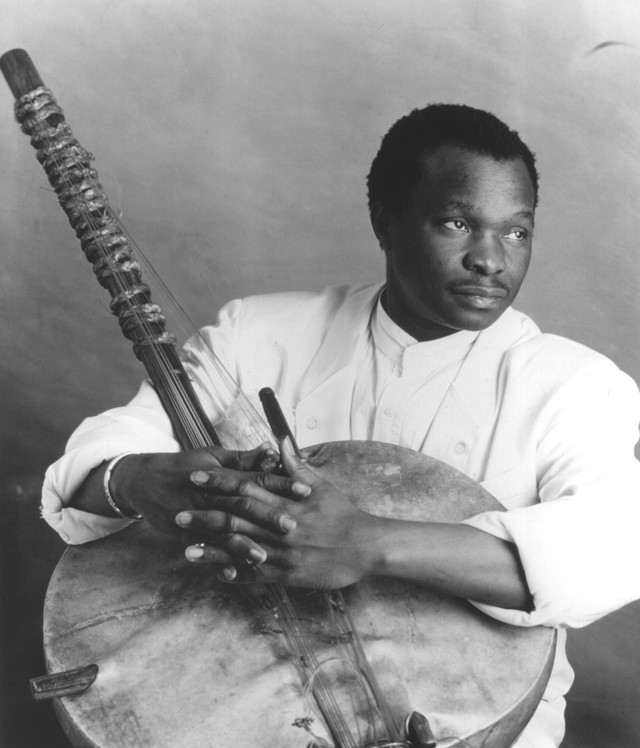
Guinea’s musical identity is deeply tied to its traditional roots. The country has long celebrated the power of storytelling through song, where the griot (jongleur) acts as historian, praise-singer, and social commentator. Drums are the pulse of the dance floor, with the djembe and doumba drums often joining together with the balafon, ngoni, and kora to form intricate, hypnotic textures. This melodic and rhythmic backbone informs not only ceremonies and rites but everyday gatherings in towns and villages. The public space—open-air concerts, street performances, and neighborhood celebrations—remains a dynamic proving ground where youthful experimentation sits beside ancestral forms.
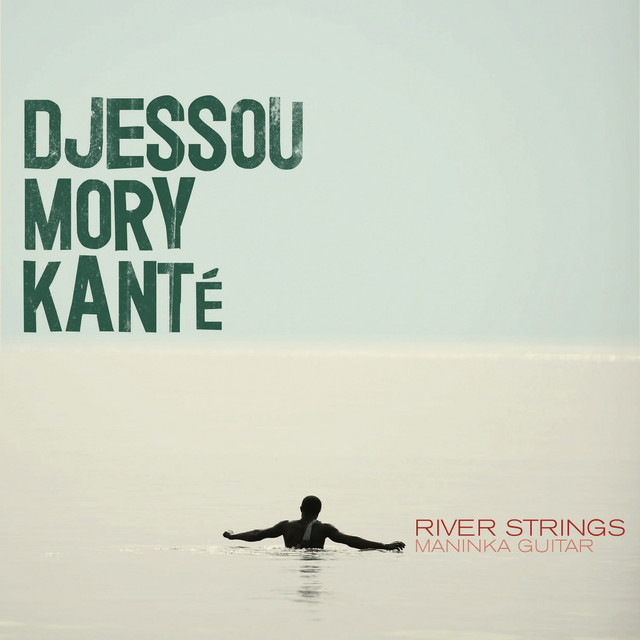
Among Guinea’s most influential figures on the world stage is Mory Kanté, a name that still resonates with listeners across continents. His 1987 hit Yéké Yé brought a Guinean-rooted sound into international clubs and radio, fusing traditional vocal lines and percussion with contemporary electronic and funk textures. Kanté’s music opened doors for a broader wave of West African pop and helped plant the idea that African rhythms could travel far beyond their borders. In Guinea today, artists and ensembles continue to reinterpret the griot tradition, blending kora, balafon, and djembe with hip-hop, reggae, and electronic music, ensuring that the country remains a vibrant incubator of global grooves.
Key venues and moments keep the scene accessible and alive. In Conakry, the capital, formal stages such as the Théâtre National de Guinée and the Palais du Peuple host official concerts, premieres, and cultural showcases, while informal clubs and open-air venues light up after dusk with spontaneous performances. Festivals—both locally organized celebrations and cross-border African music gatherings—offer platforms for established acts and rising talents to connect with audiences from Guinean communities and international travelers alike. On a national level, music is celebrated around community events, religious ceremonies, and national holidays, where bands and singers bring the country’s sounds to public squares with a contagious sense of pride.
For a music lover, Guinea offers a journey through time and taste: from the ceremonial drum circles that carry memory and identity, to the bold, modern fusions that push boundaries in clubs and studios. It’s a country where the roots run deep, and the tempo never quite stops.
Guinea’s musical identity is deeply tied to its traditional roots. The country has long celebrated the power of storytelling through song, where the griot (jongleur) acts as historian, praise-singer, and social commentator. Drums are the pulse of the dance floor, with the djembe and doumba drums often joining together with the balafon, ngoni, and kora to form intricate, hypnotic textures. This melodic and rhythmic backbone informs not only ceremonies and rites but everyday gatherings in towns and villages. The public space—open-air concerts, street performances, and neighborhood celebrations—remains a dynamic proving ground where youthful experimentation sits beside ancestral forms.
Among Guinea’s most influential figures on the world stage is Mory Kanté, a name that still resonates with listeners across continents. His 1987 hit Yéké Yé brought a Guinean-rooted sound into international clubs and radio, fusing traditional vocal lines and percussion with contemporary electronic and funk textures. Kanté’s music opened doors for a broader wave of West African pop and helped plant the idea that African rhythms could travel far beyond their borders. In Guinea today, artists and ensembles continue to reinterpret the griot tradition, blending kora, balafon, and djembe with hip-hop, reggae, and electronic music, ensuring that the country remains a vibrant incubator of global grooves.
Key venues and moments keep the scene accessible and alive. In Conakry, the capital, formal stages such as the Théâtre National de Guinée and the Palais du Peuple host official concerts, premieres, and cultural showcases, while informal clubs and open-air venues light up after dusk with spontaneous performances. Festivals—both locally organized celebrations and cross-border African music gatherings—offer platforms for established acts and rising talents to connect with audiences from Guinean communities and international travelers alike. On a national level, music is celebrated around community events, religious ceremonies, and national holidays, where bands and singers bring the country’s sounds to public squares with a contagious sense of pride.
For a music lover, Guinea offers a journey through time and taste: from the ceremonial drum circles that carry memory and identity, to the bold, modern fusions that push boundaries in clubs and studios. It’s a country where the roots run deep, and the tempo never quite stops.