
Country
Korea
Top Artists from Korea
Showing 25 of 1,993 artists



About Korea
Korea, usually read as South Korea in today’s global conversation, sits at the southern tip of the Korean Peninsula and hosts a population of about 51 million people. The country is a living fusion of millennia of tradition and razor-sharp modernity, where ancient shamanic rhythms share the stage with neon-lit concert halls. For music enthusiasts, Korea is not a single genre but a dynamic ecosystem in which pop, hip-hop, indie rock, electronic, and classical traditions cross-pollinate. The sound is often polished, meticulously produced, and designed for both intimate listening and stadium-scale spectacle.
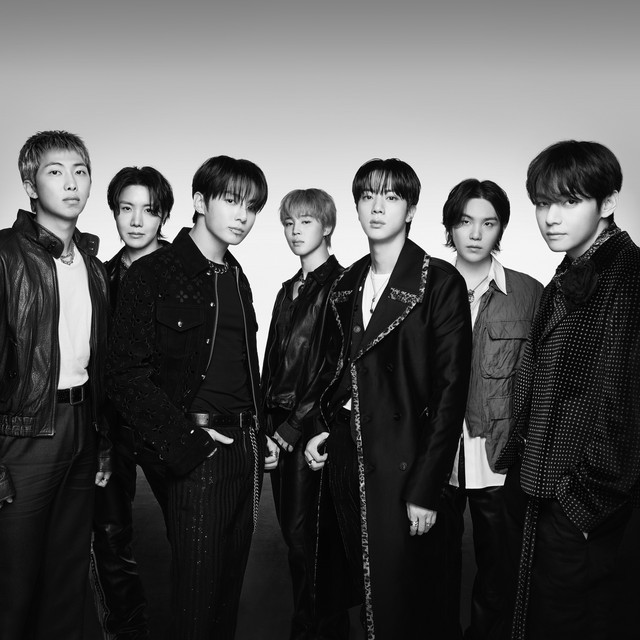
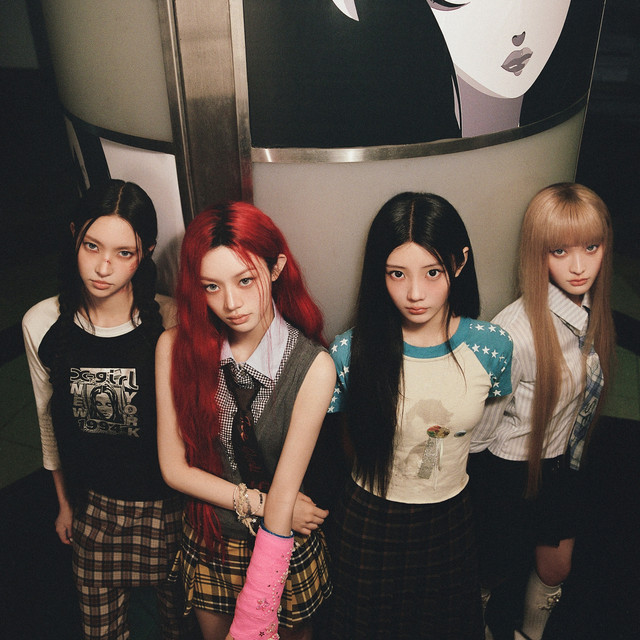
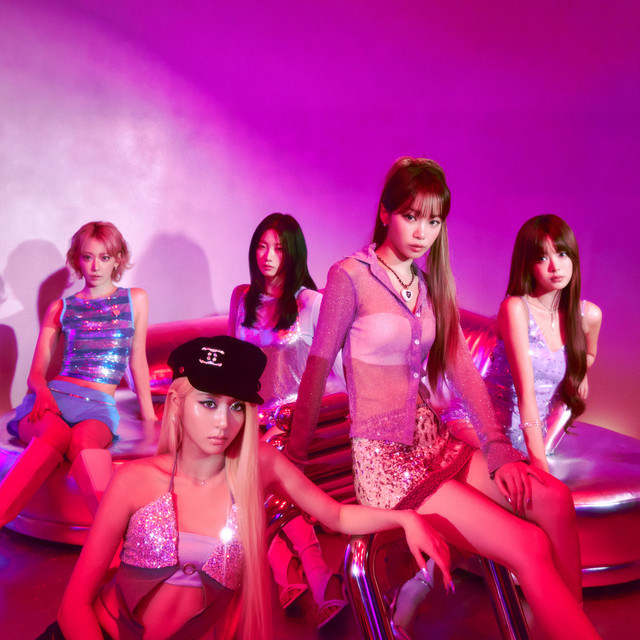
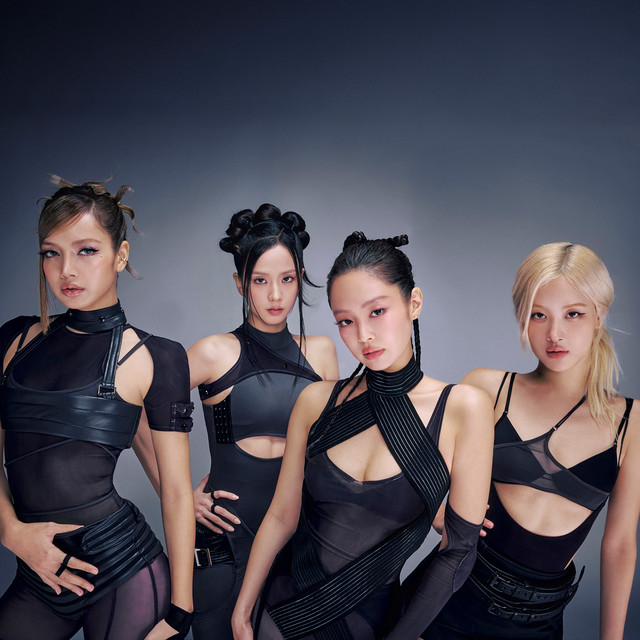
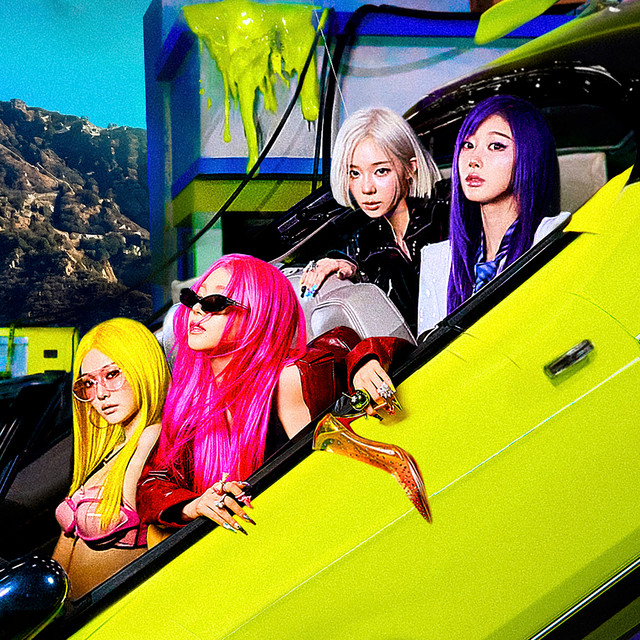
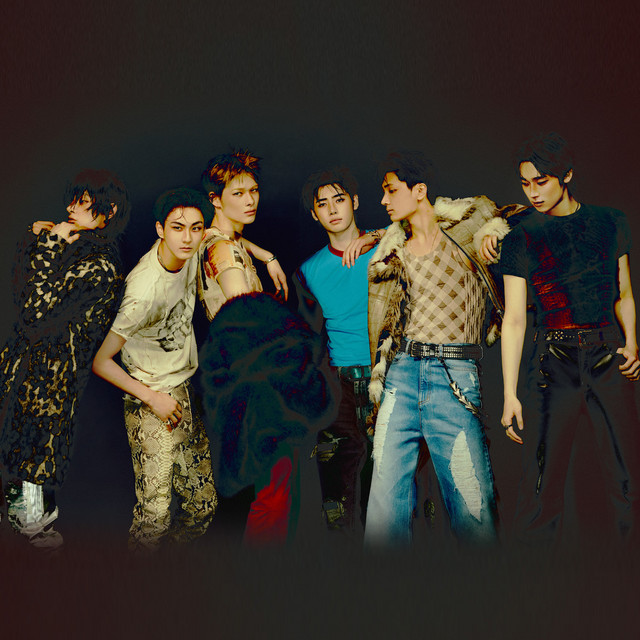
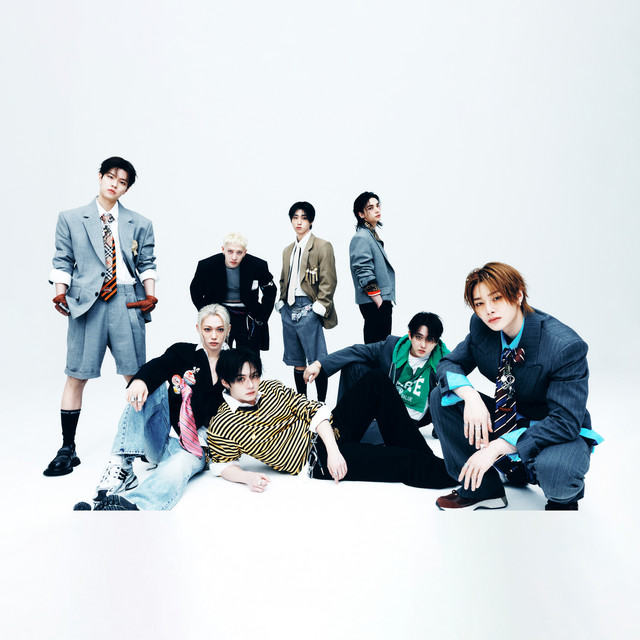
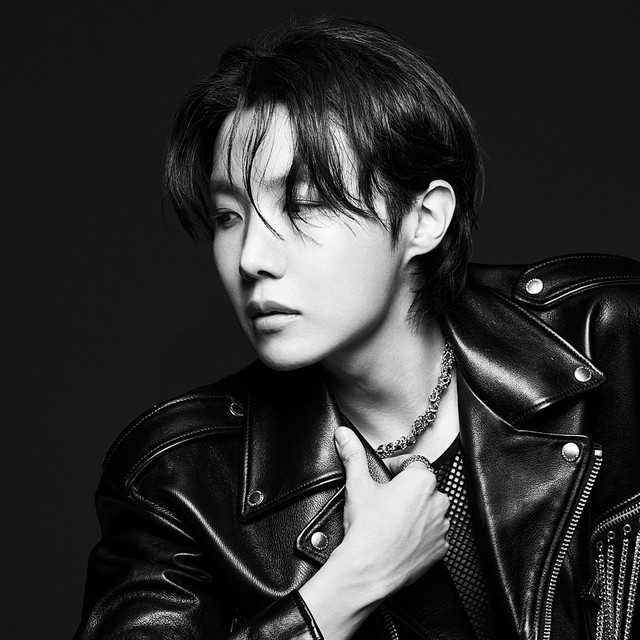
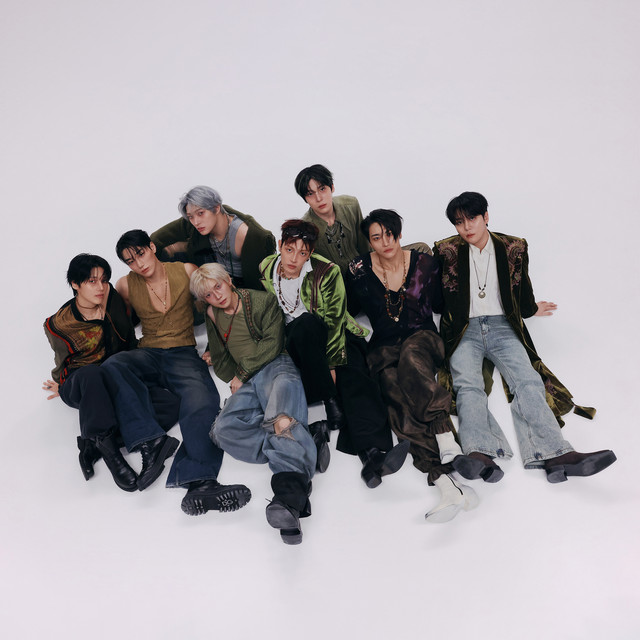
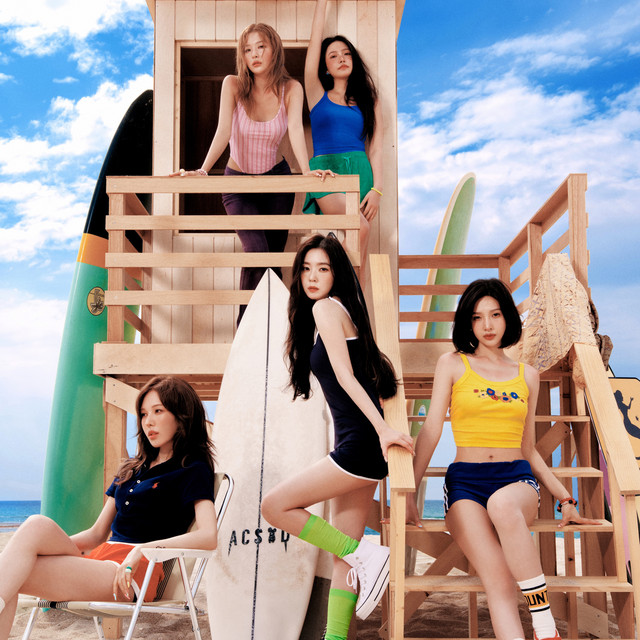
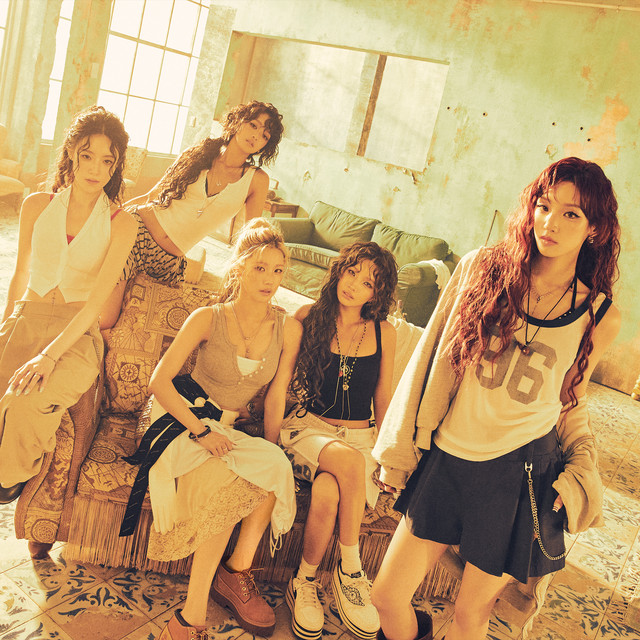
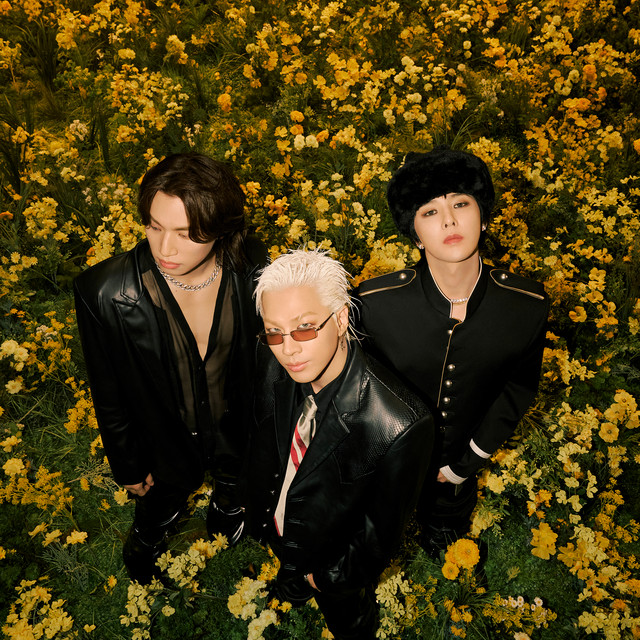
At the heart of the contemporary scene is K-pop, a global cultural engine. Acts like BTS, Blackpink, EXO, Twice, Stray Kids, NCT 127, and Ateez have built worldwide followings through infectious hooks, intricate choreographies, and multimedia storytelling. Solo stars such as IU, Taeyeon, Sunmi, and G-Dragon have sustained international appeal with genre-hopping versatility and vocal virtuosity. But Korea’s music is not only about glossy pop: it’s a thriving indie and underground culture that thrives in coffee houses and clubs in neighborhoods like Hongdae, where Hyukoh, Jadu, and other bands push alternative sounds beyond the mainstream.
Across genres, Korea’s musicians also draw from a deep reservoir of traditional influences. P’ansori-inspired vocal timbres, melodic lines from court music, and contemporary folk textures appear in crossover works by composers and performers who bridge East and West. The film and television industries have amplified a broader audience for Korean music, prompting collaborations with international producers and symphonic orchestras. Electronic and hip-hop scenes have grown with global reach, blending Western club sensibilities with Korean basslines and rhythms that emphasize groove, cadence, and a sense of play.
Live music venues and festivals anchor the experience. Seoul’s Gocheok Sky Dome and KSPO Dome host blockbuster tours and opening acts, while the Olympic Park and the Seoul Arts Center host concerts across genres. For older and newer audiences alike, the intimate rooms of Yes24 Live Hall, Club FF, and MUV Hall in Itaewon and Hongdae offer up-close encounters with rising artists. Iconic events include Pentaport Rock Festival in Incheon, a summer magnet for rock and electronic acts; the Seoul Jazz Festival, which brings international jazz stars to major city stages; and Ultra Korea, the region’s premier electronic-music festival. These events illustrate Korea’s capacity to blend spectacle with musical craft and invite audiences into immersive experiences.
Beyond entertainment, Korea has influenced the global music industry through its innovative production pipelines, streaming-first release strategies, and a performer-training ecosystem that creates high-quality, adaptable artists. The Hallyu wave—Korean popular culture—has made K-pop a model of global collaboration, language-inclusive artistry, and cross-media storytelling. For music lovers, Korea offers a living map of how tradition, technology, and global markets converge to produce sounds that travel far beyond the peninsula and return with new ideas and energy.
At the heart of the contemporary scene is K-pop, a global cultural engine. Acts like BTS, Blackpink, EXO, Twice, Stray Kids, NCT 127, and Ateez have built worldwide followings through infectious hooks, intricate choreographies, and multimedia storytelling. Solo stars such as IU, Taeyeon, Sunmi, and G-Dragon have sustained international appeal with genre-hopping versatility and vocal virtuosity. But Korea’s music is not only about glossy pop: it’s a thriving indie and underground culture that thrives in coffee houses and clubs in neighborhoods like Hongdae, where Hyukoh, Jadu, and other bands push alternative sounds beyond the mainstream.
Across genres, Korea’s musicians also draw from a deep reservoir of traditional influences. P’ansori-inspired vocal timbres, melodic lines from court music, and contemporary folk textures appear in crossover works by composers and performers who bridge East and West. The film and television industries have amplified a broader audience for Korean music, prompting collaborations with international producers and symphonic orchestras. Electronic and hip-hop scenes have grown with global reach, blending Western club sensibilities with Korean basslines and rhythms that emphasize groove, cadence, and a sense of play.
Live music venues and festivals anchor the experience. Seoul’s Gocheok Sky Dome and KSPO Dome host blockbuster tours and opening acts, while the Olympic Park and the Seoul Arts Center host concerts across genres. For older and newer audiences alike, the intimate rooms of Yes24 Live Hall, Club FF, and MUV Hall in Itaewon and Hongdae offer up-close encounters with rising artists. Iconic events include Pentaport Rock Festival in Incheon, a summer magnet for rock and electronic acts; the Seoul Jazz Festival, which brings international jazz stars to major city stages; and Ultra Korea, the region’s premier electronic-music festival. These events illustrate Korea’s capacity to blend spectacle with musical craft and invite audiences into immersive experiences.
Beyond entertainment, Korea has influenced the global music industry through its innovative production pipelines, streaming-first release strategies, and a performer-training ecosystem that creates high-quality, adaptable artists. The Hallyu wave—Korean popular culture—has made K-pop a model of global collaboration, language-inclusive artistry, and cross-media storytelling. For music lovers, Korea offers a living map of how tradition, technology, and global markets converge to produce sounds that travel far beyond the peninsula and return with new ideas and energy.