Country
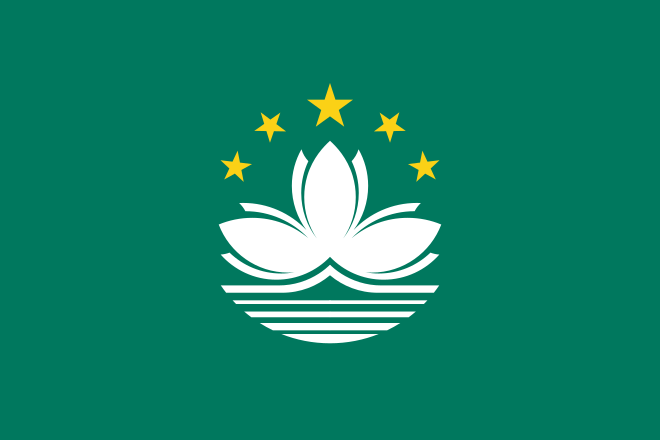
Macao
Top Artists from Macao
Showing 6 of 6 artists

2
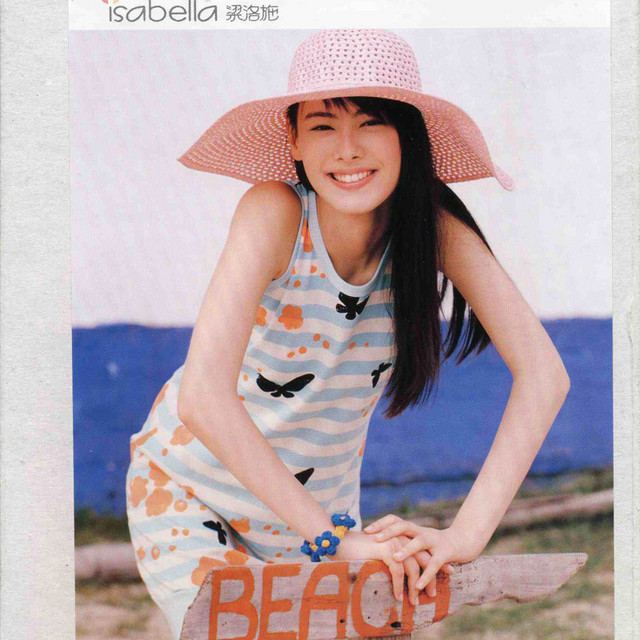
梁洛施
3,037
10,303 listeners


About Macao
Macao, often spelled Macau, is a Special Administrative Region of China perched on the southern coast at the mouth of the Pearl River Delta. Its compact footprint masks a rich cosmopolitan soundscape, forged by centuries of Portuguese and Chinese exchange, migration, and the energy of its tourism sector. The city’s population is about 680,000 residents, a dense, multilingual base that keeps live music vibrant year round.
For music enthusiasts, Macao serves as a living crossroad where East meets West. You can hear cantopop, mandopop, and Western pop echo in busy streets and intimate clubs, while traditional Chinese instrumental music, fado-inspired songs, and contemporary electronic and experimental work push woven genres into surprising directions. The Lusophone legacy lingers not only in language but in melodic phrasing and repertoire choices that still appear on local stages.
Two long-standing pillars anchor Macao’s professional sound: the Macao Orchestra and the Macau Chinese Orchestra. These resident ensembles, along with visiting international orchestras and chamber groups, perform at venues that anchor the city’s cultural life. The Macao Cultural Centre, with its Grand Auditorium and Concert Hall, hosts major symphonic concerts, choruses, and festivals and is a hub for cross-cultural collaboration. The historic Dom Pedro V Theatre, a 19th-century stone-and-wood venue in the heart of the city, continues to present operatic, lyrical, and contemporary programs in an intimate setting.
The city’s yearly calendar includes the Macau International Music Festival, a flagship event that typically showcases world-class soloists, orchestras, and ensembles. Festivals such as this one bring a steady stream of culturally diverse programs to Macau’s stages, inviting locals and visitors to hear Western classical masterpieces alongside Chinese, Portuguese, and world-music commissions. In addition to large-scale festivals, Macao hosts chamber concerts, city-center performances, and student showcases that reveal a thriving ecosystem of composers, performers, and educators. The result is a distinctive flavor: a city where a pop singer might share a bill with a classical violinist, where a traditional Chinese melody can be reimagined with contemporary production, and where street performances become potential rehearsals for full-blown concerts.
For music lovers visiting Macao, the invitation is simple: seek out performances in the Macao Cultural Centre or Dom Pedro V Theatre, wander into a late-night club near Senado Square, and listen for the conversations between East and West that declare Macau’s musical identity. This is a city where history and nightlife fuse into a dynamic, living soundscape that rewards attentive ears and curious hearts.
Beyond the stage, Macau acts as a living laboratory for cross-cultural commissions and collaborative performances. Local universities and arts schools nurture composers and performers who experiment with blending traditional Cantonese opera melodies with contemporary jazz, electronic production, and multimedia forms. The bilingual, bi-cultural context frequently yields songs that weave Portuguese lyrics with Cantonese or Mandarin, creating a distinctly Macanese voice that resonates with audiences across Asia and beyond.
It’s a place where history, modernity, and sound converge into a continually evolving musical tapestry. Whether you seek orchestral grandeur, intimate voice, or street-level improvisation, Macau invites you to hear the past, present, and future of its music all in one place.
For music enthusiasts, Macao serves as a living crossroad where East meets West. You can hear cantopop, mandopop, and Western pop echo in busy streets and intimate clubs, while traditional Chinese instrumental music, fado-inspired songs, and contemporary electronic and experimental work push woven genres into surprising directions. The Lusophone legacy lingers not only in language but in melodic phrasing and repertoire choices that still appear on local stages.
Two long-standing pillars anchor Macao’s professional sound: the Macao Orchestra and the Macau Chinese Orchestra. These resident ensembles, along with visiting international orchestras and chamber groups, perform at venues that anchor the city’s cultural life. The Macao Cultural Centre, with its Grand Auditorium and Concert Hall, hosts major symphonic concerts, choruses, and festivals and is a hub for cross-cultural collaboration. The historic Dom Pedro V Theatre, a 19th-century stone-and-wood venue in the heart of the city, continues to present operatic, lyrical, and contemporary programs in an intimate setting.
The city’s yearly calendar includes the Macau International Music Festival, a flagship event that typically showcases world-class soloists, orchestras, and ensembles. Festivals such as this one bring a steady stream of culturally diverse programs to Macau’s stages, inviting locals and visitors to hear Western classical masterpieces alongside Chinese, Portuguese, and world-music commissions. In addition to large-scale festivals, Macao hosts chamber concerts, city-center performances, and student showcases that reveal a thriving ecosystem of composers, performers, and educators. The result is a distinctive flavor: a city where a pop singer might share a bill with a classical violinist, where a traditional Chinese melody can be reimagined with contemporary production, and where street performances become potential rehearsals for full-blown concerts.
For music lovers visiting Macao, the invitation is simple: seek out performances in the Macao Cultural Centre or Dom Pedro V Theatre, wander into a late-night club near Senado Square, and listen for the conversations between East and West that declare Macau’s musical identity. This is a city where history and nightlife fuse into a dynamic, living soundscape that rewards attentive ears and curious hearts.
Beyond the stage, Macau acts as a living laboratory for cross-cultural commissions and collaborative performances. Local universities and arts schools nurture composers and performers who experiment with blending traditional Cantonese opera melodies with contemporary jazz, electronic production, and multimedia forms. The bilingual, bi-cultural context frequently yields songs that weave Portuguese lyrics with Cantonese or Mandarin, creating a distinctly Macanese voice that resonates with audiences across Asia and beyond.
It’s a place where history, modernity, and sound converge into a continually evolving musical tapestry. Whether you seek orchestral grandeur, intimate voice, or street-level improvisation, Macau invites you to hear the past, present, and future of its music all in one place.