Country
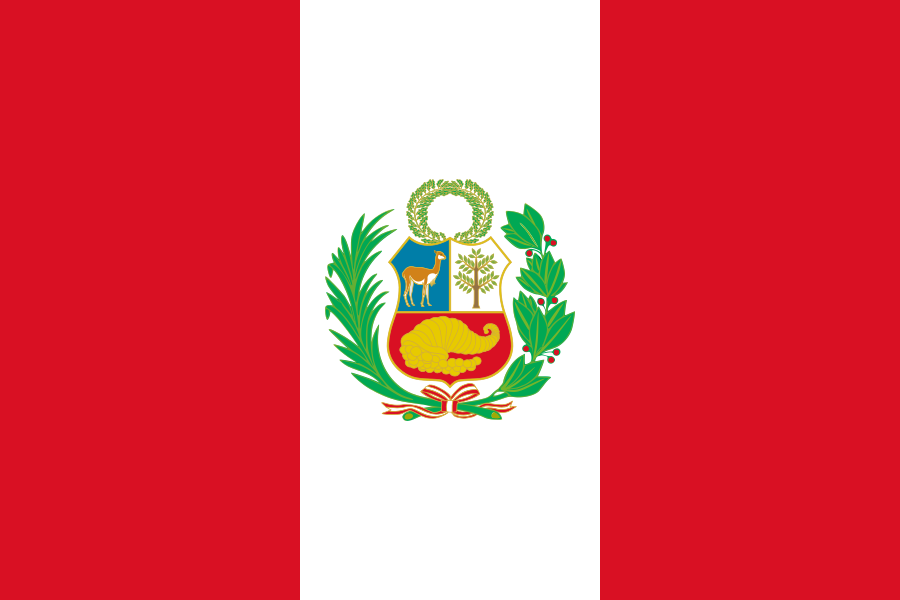
Peru
Top Artists from Peru
Showing 25 of 222 artists











About Peru
Peru is a country of dramatic landscapes and a living soundscape where Andean echoes meet Amazonian rhythms and coastal Creole grooves. From the cliffs of Lima to the high passes of the Andes and the humid rainforests of Iquitos, music is a thread you can hear in every city and village. Peruvian music is not a single genre but a continuum: Afro-Peruvian drums and zapateos, lyrical huayno melodies, criollo vals, chicha’s pulsating guitars, and the contemporary experiments of indie, electronic, and world music. The population is about 34 million people, a canvas for both tradition and innovation.
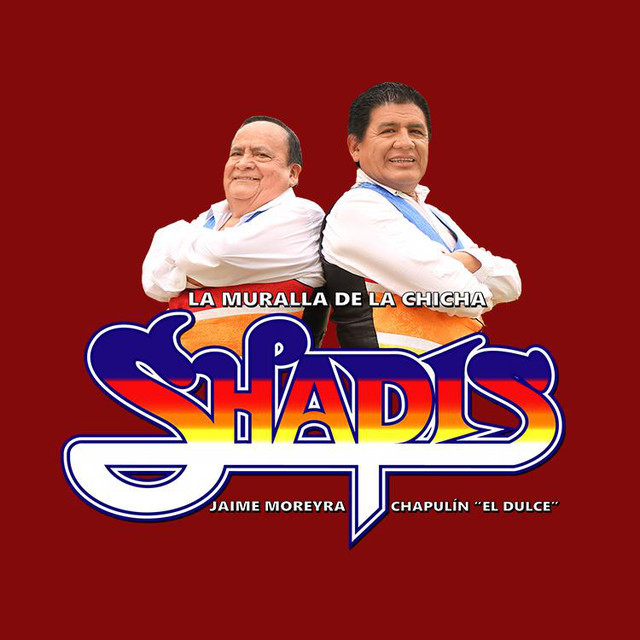
Peruvian artists have earned international recognition across styles. Susana Baca, a towering figure of Afro-Peruvian music, helped bring the rhythms of Lima’s coast to the world stage and later served as Peru’s Minister of Culture. Her albums weave ancestral drums with intimate storytelling and have earned Latin Grammys as well as UNESCO recognition. Gian Marco, a prolific singer-songwriter, has won Latin Grammys and built a body of songs that span pop, folk, and ballad. Eva Ayllón is celebrated for her powerful criollo and Afro-Peruvian performances, keeping the festejo and landó traditions vibrant on major stages. On the contemporary side, Novalima blends Afro-Peruvian percussion with electronic production to reach clubs and festivals worldwide, while Bareto fuses psychedelic cumbia and rock to energize concert halls across the Americas. The scene also includes indie acts like Kanaku y el Tigre, whose melodic folk-rock from Lima explores intimate storytelling with rustic charm, and the enduring appeal of Amazonian chicha icons such as Los Shapis and Los Mirlos, whose 1970s hits still reverberate in retro-tinged revivals today.
Across genres, Peru’s cultural roots are visible in venues and events that shape the local sound. In Lima, the Gran Teatro Nacional hosts symphony, opera, and curated world-music programs, symbolizing the country’s institutional support for both classical and contemporary performance. Historic spaces like the Teatro Municipal de Lima carry a legacy of operatic and theatrical music that continues to host new commissions and touring artists. Peru’s festival calendar reflects its musical breadth: Inti Raymi in Cusco celebrates the winter solstice with Andean choirs and traditional dance; the Festival Internacional de la Candelaria in Puno is a major gathering for huayno and saya, drawing ensembles from across the Andes; and Lima has hosted a thriving jazz scene with a dedicated Lima Jazz Festival that brings international and Peruvian players into clubs and theatres. The country’s bustling urban clubs, cultural centers, and regional fiestas keep a wide spectrum of styles in circulation year-round.
Peru’s influence on the music world runs through its deep fusion of indigenous, African, and criollo textures, which has inspired artists far beyond its borders. Afro-Peruvian rhythms, with their complex clapping patterns and call-and-response dynamics, have influenced Latin American world music and contemporary fusion projects. Andean melodies and instruments—quena, charango, panpipes—continue to travel through global folk and electronic scenes, while Peru’s urban crews push cumbia, rock, and electronic genres into new territories. For any music enthusiast, Peru offers a rich, welcoming invitation to hear how ancient rhythms can spark modern innovation, all framed by a country of vast geographic and cultural diversity.
Peruvian artists have earned international recognition across styles. Susana Baca, a towering figure of Afro-Peruvian music, helped bring the rhythms of Lima’s coast to the world stage and later served as Peru’s Minister of Culture. Her albums weave ancestral drums with intimate storytelling and have earned Latin Grammys as well as UNESCO recognition. Gian Marco, a prolific singer-songwriter, has won Latin Grammys and built a body of songs that span pop, folk, and ballad. Eva Ayllón is celebrated for her powerful criollo and Afro-Peruvian performances, keeping the festejo and landó traditions vibrant on major stages. On the contemporary side, Novalima blends Afro-Peruvian percussion with electronic production to reach clubs and festivals worldwide, while Bareto fuses psychedelic cumbia and rock to energize concert halls across the Americas. The scene also includes indie acts like Kanaku y el Tigre, whose melodic folk-rock from Lima explores intimate storytelling with rustic charm, and the enduring appeal of Amazonian chicha icons such as Los Shapis and Los Mirlos, whose 1970s hits still reverberate in retro-tinged revivals today.
Across genres, Peru’s cultural roots are visible in venues and events that shape the local sound. In Lima, the Gran Teatro Nacional hosts symphony, opera, and curated world-music programs, symbolizing the country’s institutional support for both classical and contemporary performance. Historic spaces like the Teatro Municipal de Lima carry a legacy of operatic and theatrical music that continues to host new commissions and touring artists. Peru’s festival calendar reflects its musical breadth: Inti Raymi in Cusco celebrates the winter solstice with Andean choirs and traditional dance; the Festival Internacional de la Candelaria in Puno is a major gathering for huayno and saya, drawing ensembles from across the Andes; and Lima has hosted a thriving jazz scene with a dedicated Lima Jazz Festival that brings international and Peruvian players into clubs and theatres. The country’s bustling urban clubs, cultural centers, and regional fiestas keep a wide spectrum of styles in circulation year-round.
Peru’s influence on the music world runs through its deep fusion of indigenous, African, and criollo textures, which has inspired artists far beyond its borders. Afro-Peruvian rhythms, with their complex clapping patterns and call-and-response dynamics, have influenced Latin American world music and contemporary fusion projects. Andean melodies and instruments—quena, charango, panpipes—continue to travel through global folk and electronic scenes, while Peru’s urban crews push cumbia, rock, and electronic genres into new territories. For any music enthusiast, Peru offers a rich, welcoming invitation to hear how ancient rhythms can spark modern innovation, all framed by a country of vast geographic and cultural diversity.