
Country
Philippines
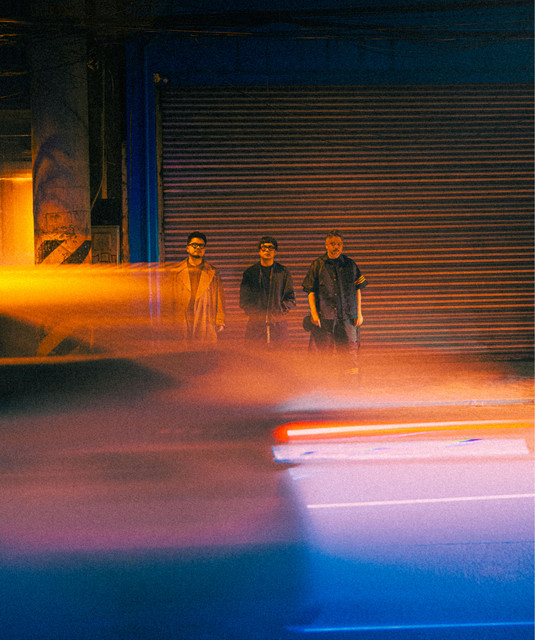
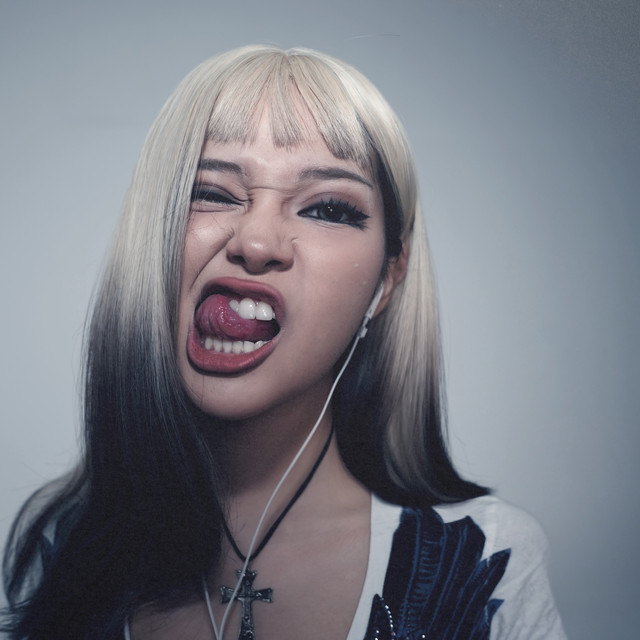
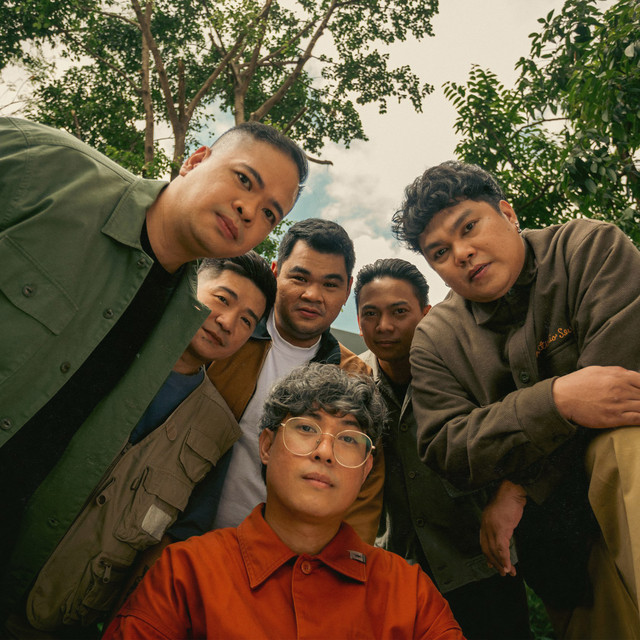
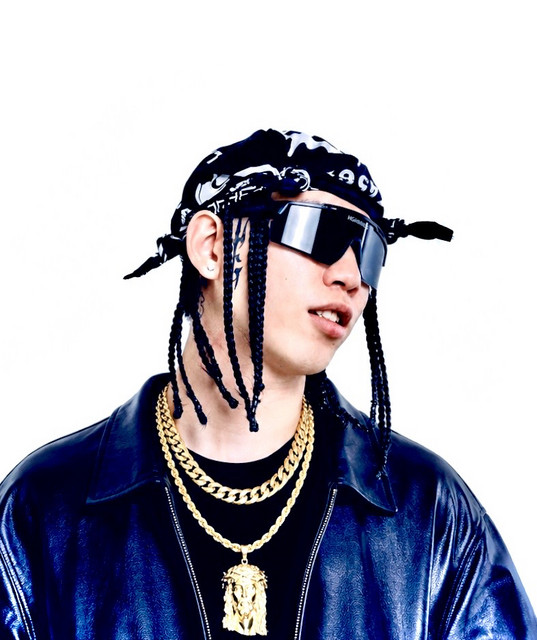
Top Artists from Philippines
Showing 25 of 973 artists







About Philippines
The Philippines is a Southeast Asian archipelago where more than 7,600 islands cradle a luminous musical life. With a population of about 113 million, the country pulses with voices that echo from urban stages to remote barangay plazas. Music here is not a hobby but a social thread: it accompanies fiestas, basketball games, karaoke nights, and long road trips between Luzon, Visayas, and Mindanao. For music enthusiasts, the Philippines offers a living history of sound—from traditional lullabies to radio-ready pop, from indie folk to globe-spanning rock acts.
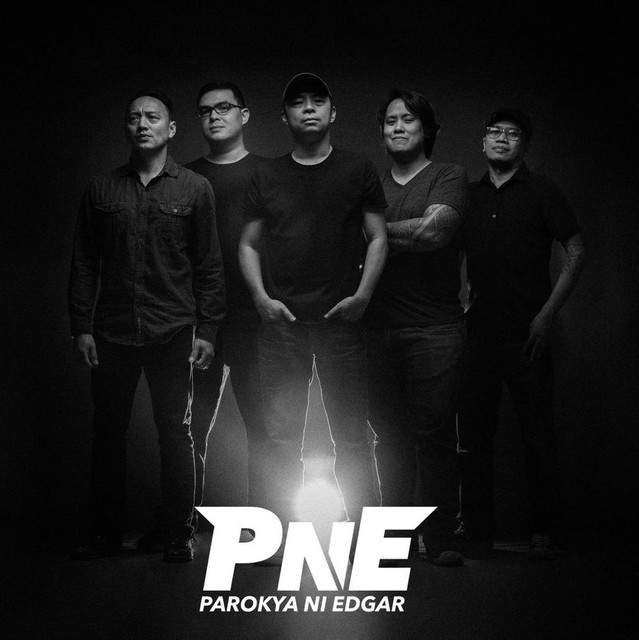
On the global map, Filipino voices have crossed borders through luminous icons such as Lea Salonga, whose Broadway-led performances and Disney singing set a standard for vocal polish; Arnel Pineda, who fronted Journey after being discovered online; and Charice, known worldwide as Jake Zyrus, whose ascent helped bring Filipino vocal bravura to arenas. Closer to home, bands like the Eraserheads and Parokya ni Edgar defined a golden era of Original Pilipino Music (OPM), pairing jangly guitar hooks with witty wordplay and social commentary. In more recent times, Ben&Ben’s warm, folk-inflected pop and Moira Dela Torre’s intimate ballads carry the torch of homegrown songwriting, while a thriving indie scene, hip‑hop pioneers such as Gloc-9, and alt acts broaden the palate.
Live music thrives wherever people gather. The Cultural Center of the Philippines (CCP) remains a primary platform for major productions, while the Smart Araneta Coliseum and Mall of Asia Arena regularly host international tours and national acts to thunderous crowds. The Aliw Theater and the Music Museum in Greenhills present more intimate experiences, and smaller clubs across Manila, Cebu, and Davao foster a vibrant, continually renewing indie scene. Even the karaoke culture—deeply woven into nightly life—produces audiences that reward live performance with energy and generosity, making every sing-along a communal event.
Festivals and events illuminate the calendar with color and rhythm. Fête de la Musique in Manila turns streets and rooftops into concert venues every June, inviting performers across genres to share performances outside traditional theaters. The Malasimbo Music and Arts Festival in Puerto Galera blends world music, indie, and electronic acts against a breathtaking sunset backdrop. La Union’s Surf & Music Festival draws surfers, vacationers, and musicians to a sun-soaked beach party atmosphere, while coastal towns routinely transform plazas into open-air concerts for fiestas and patron saint celebrations. International tours often pass through Manila, creating a steady pipeline for emerging artists and cross-cultural collaboration.
The Philippines remains one of Asia’s most dynamic laboratories for sound. Its music reflects a national openness—to Western pop and jazz, to Spanish and indigenous influences, to contemporary electronic productions. For a music enthusiast, the archipelago is a living, breathing concert hall: diverse, welcoming, and always ready to surprise with a new wave, a new groove, or a new voice that speaks in a language only music can translate.
On the global map, Filipino voices have crossed borders through luminous icons such as Lea Salonga, whose Broadway-led performances and Disney singing set a standard for vocal polish; Arnel Pineda, who fronted Journey after being discovered online; and Charice, known worldwide as Jake Zyrus, whose ascent helped bring Filipino vocal bravura to arenas. Closer to home, bands like the Eraserheads and Parokya ni Edgar defined a golden era of Original Pilipino Music (OPM), pairing jangly guitar hooks with witty wordplay and social commentary. In more recent times, Ben&Ben’s warm, folk-inflected pop and Moira Dela Torre’s intimate ballads carry the torch of homegrown songwriting, while a thriving indie scene, hip‑hop pioneers such as Gloc-9, and alt acts broaden the palate.
Live music thrives wherever people gather. The Cultural Center of the Philippines (CCP) remains a primary platform for major productions, while the Smart Araneta Coliseum and Mall of Asia Arena regularly host international tours and national acts to thunderous crowds. The Aliw Theater and the Music Museum in Greenhills present more intimate experiences, and smaller clubs across Manila, Cebu, and Davao foster a vibrant, continually renewing indie scene. Even the karaoke culture—deeply woven into nightly life—produces audiences that reward live performance with energy and generosity, making every sing-along a communal event.
Festivals and events illuminate the calendar with color and rhythm. Fête de la Musique in Manila turns streets and rooftops into concert venues every June, inviting performers across genres to share performances outside traditional theaters. The Malasimbo Music and Arts Festival in Puerto Galera blends world music, indie, and electronic acts against a breathtaking sunset backdrop. La Union’s Surf & Music Festival draws surfers, vacationers, and musicians to a sun-soaked beach party atmosphere, while coastal towns routinely transform plazas into open-air concerts for fiestas and patron saint celebrations. International tours often pass through Manila, creating a steady pipeline for emerging artists and cross-cultural collaboration.
The Philippines remains one of Asia’s most dynamic laboratories for sound. Its music reflects a national openness—to Western pop and jazz, to Spanish and indigenous influences, to contemporary electronic productions. For a music enthusiast, the archipelago is a living, breathing concert hall: diverse, welcoming, and always ready to surprise with a new wave, a new groove, or a new voice that speaks in a language only music can translate.