
Country
Swaziland
Top Artists from Swaziland
About Swaziland
Eswatini, formerly known as Swaziland, is a landlocked kingdom in Southern Africa where musical tradition and contemporary sound collide in vibrant ways. For music enthusiasts, the country offers a compact but rich sonic landscape, rooted in ancient drumming and choral song, and steadily branching into Afro-pop, folk, and world music that travels beyond its borders. The setting—a constellation of royal ceremonies, rural song circles, and buzzing towns—creates a living soundtrack that is as welcoming as it is diverse.
Eswatini’s population is about 1.2 million people. This relatively small population helps the country maintain intimate music scenes where venues, festivals, and radio stations can cultivate a strong sense of shared culture. The island of music within Eswatini is not only about performers; it’s about communities singing together, dancers moving in unison, and the drumbeat carrying through markets, schools, and gatherings. The country’s musical life thrives on collaboration among rural performers, urban bands, and visiting artists from neighboring states, creating a welcoming, cross-pertilizing environment for new sounds.
Traditional music sits at the core of Eswatini’s identity. Ingoma drum ensembles, with their interlocking rhythms and call-and-response vocals, form the heartbeat of many ceremonies and celebrations. The sound of voices rising in harmony, often accompanied by rattles and percussion, is a common feature at weddings, royal events, and cultural gatherings such as the Umhlanga Reed Dance. This festival, held annually, draws thousands of young women to perform traditional songs and dances, sending a powerful message about heritage and continuity. The reverence for communal singing and percussive textures informs contemporary artists who weave these elements into modern arrangements, creating a distinct Swazi flavor that resonates across Southern Africa.
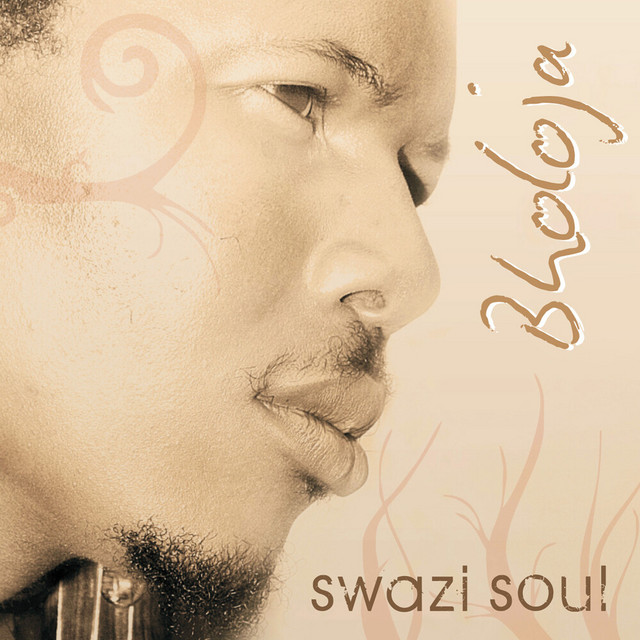
On the contemporary side, Eswatini has produced artists who have begun to reach regional audiences. One of the country’s standout musical figures is Bholoja, a respected Afro-fusion artist whose work blends traditional melodies with modern African pop and folk. His performances capture the mood of Eswatini’s musical crossroads—where old rhythms meet new production and storytelling. Beyond individual artists, a thriving live circuit exists, with festivals and venues that showcase emerging bands and solo acts, helping to nurture a next generation of Swazi musicians who can hold their own on larger stages.
A focal point for these scenes is MTN Bushfire, a four-day festival held each year near Malkerns, in the House on Fire venue area. This flagship event brings local acts together with international performers, creating a cross-cultural exchange that’s especially meaningful for music lovers who crave diverse, boundary-crossing sounds. The festival’s inclusive lineup spans Afro-pop, folk, world music, and beyond, illustrating how Eswatini sits at the intersection of tradition and experimentation. Other venues—such as community halls, schools, and the urban stages of Mbabane and Manzini—nurture a density of musical life, from intimate acoustic sets to full-band performances.
For music enthusiasts, Eswatini’s sound is a reminder that cultural preservation and innovation can flourish side by side. It’s a place where a drumbeat can travel from a royal ceremony to a late-night club, and where a festival playlist can feel like a journey through a living, evolving tradition.
Eswatini’s population is about 1.2 million people. This relatively small population helps the country maintain intimate music scenes where venues, festivals, and radio stations can cultivate a strong sense of shared culture. The island of music within Eswatini is not only about performers; it’s about communities singing together, dancers moving in unison, and the drumbeat carrying through markets, schools, and gatherings. The country’s musical life thrives on collaboration among rural performers, urban bands, and visiting artists from neighboring states, creating a welcoming, cross-pertilizing environment for new sounds.
Traditional music sits at the core of Eswatini’s identity. Ingoma drum ensembles, with their interlocking rhythms and call-and-response vocals, form the heartbeat of many ceremonies and celebrations. The sound of voices rising in harmony, often accompanied by rattles and percussion, is a common feature at weddings, royal events, and cultural gatherings such as the Umhlanga Reed Dance. This festival, held annually, draws thousands of young women to perform traditional songs and dances, sending a powerful message about heritage and continuity. The reverence for communal singing and percussive textures informs contemporary artists who weave these elements into modern arrangements, creating a distinct Swazi flavor that resonates across Southern Africa.
On the contemporary side, Eswatini has produced artists who have begun to reach regional audiences. One of the country’s standout musical figures is Bholoja, a respected Afro-fusion artist whose work blends traditional melodies with modern African pop and folk. His performances capture the mood of Eswatini’s musical crossroads—where old rhythms meet new production and storytelling. Beyond individual artists, a thriving live circuit exists, with festivals and venues that showcase emerging bands and solo acts, helping to nurture a next generation of Swazi musicians who can hold their own on larger stages.
A focal point for these scenes is MTN Bushfire, a four-day festival held each year near Malkerns, in the House on Fire venue area. This flagship event brings local acts together with international performers, creating a cross-cultural exchange that’s especially meaningful for music lovers who crave diverse, boundary-crossing sounds. The festival’s inclusive lineup spans Afro-pop, folk, world music, and beyond, illustrating how Eswatini sits at the intersection of tradition and experimentation. Other venues—such as community halls, schools, and the urban stages of Mbabane and Manzini—nurture a density of musical life, from intimate acoustic sets to full-band performances.
For music enthusiasts, Eswatini’s sound is a reminder that cultural preservation and innovation can flourish side by side. It’s a place where a drumbeat can travel from a royal ceremony to a late-night club, and where a festival playlist can feel like a journey through a living, evolving tradition.