Genre
afghan traditional
Top Afghan traditional Artists
Showing 25 of 29 artists




About Afghan traditional
Afghan traditional music is the living soundscape of Afghanistan’s diverse cultural landscape, built on centuries of Persianate, Central Asian, and folk influences. It is best known for its intimate, melodic vocal lines paired with resonant, drone-rich instruments, most famously the rubab. This genre thrives on storytelling—epic poems, love lyrics, heroic ballads, and devotional themes—often delivered in Dari or Pashto and shared across families, villages, and concert stages.
Birth and evolution
The roots of Afghan traditional music run deep, tracing to royal courts and rural ensembles that gathered to sing, improvise, and accompany poetry. Over time, regional styles developed in places like Kabul, Herat, Kandahar, and the northern towns, each adding its own flavor—more Persianate in Herat, more Hindustani-influenced in some urban centers, and more drone-driven in others. In the 20th century, as Afghanistan opened to radio, recording studios, and teaching institutions, these local traditions began to cohere into a more recognizable national idiom. The Afghan National Radio and, later, formal music schools helped preserve traditional repertoires even amid social change and conflict.
Instrumentation and sound
The rubab is the emblem of Afghan traditional music: a short-necked lute with a warm, intimate timbre that anchors many pieces. It is typically accompanied by dutar (a long-necked lute), tabla or zarb (drums), and harmonium or qanun-like keyboards, with vocal lines weaving above and around a steady drone. Phrasing is often microtonal and expressive, with rubab and voice trading motifs in a call-and-response style. Song forms frequently draw on poetry—ghazals and panjsheri ballads—where the singer interprets the text with subtle ornamentation, while instrumental solo passages showcase a player’s improvised depth within a traditional modal framework.
Historical and cultural context
Afghan traditional music has been a banner for cultural identity through periods of upheaval. It is closely tied to the country’s epic storytelling traditions, Sufi symbolism, and the long-standing courtly and folk practices that prized mastery of melody, rhythm, and language. The tradition persists in both elite concert settings and village gatherings, maintaining its social and ceremonial functions even as new audiences discover it on international stages.
Ambassadors and key figures
- Ustad Mohammad Omar is revered as a master of the rubab and a pillar of Afghan traditional repertoire, embodying the transmission of technique and style across generations.
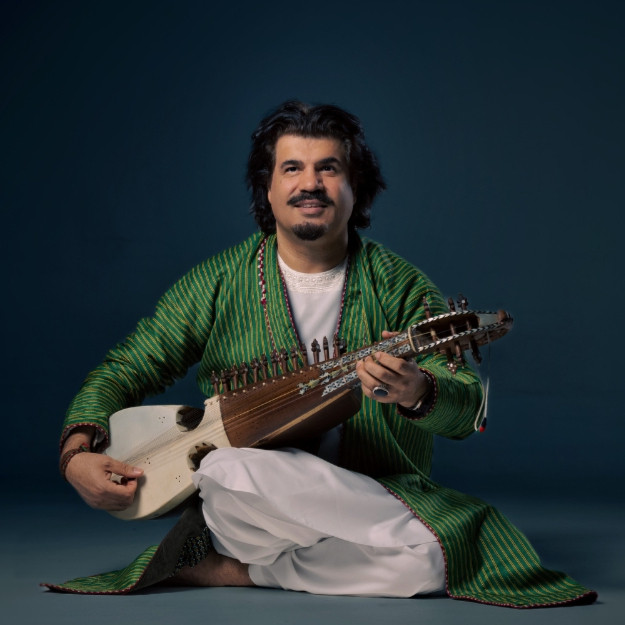
- Homayoun Sakhi is a contemporary rubab virtuoso who has helped bring Afghan traditional playing into global contexts, collaborating with artists from various genres while preserving core Afghan idioms.
- Zohra, the all-female Afghan orchestra formed with support from the Afghan National Institute of Music, has become a symbolic ambassador of Afghanistan’s traditional-rooted music on international stages, blending discipline, tradition, and musical curiosity.
- In the broader scene, renowned vocalists who draw from traditional forms—often bridging folk, ghazal, and more modern arrangements—have kept the music alive in radio, film, and concert circuits. Diaspora communities in Pakistan, Iran, Europe, and North America also carry Afghan traditional sounds to new audiences.
Where it thrives
The genre remains most strongly rooted in Afghanistan, especially in Kabul and Herat, with enduring popularity among Afghan communities in Pakistan, Iran, and the global diaspora. Festivals, concerts, and educational programs continue to nurture the tradition, ensuring that the rubab’s warm resonance and the voice’s intimate storytelling remain central to what it means to listen to Afghan traditional music.
For enthusiasts, Afghan traditional music offers a tactile link to history and emotion: a warm rubab, a patient drone, and a voice that breathes poetry into sound. It rewards attentive listening and invites discovery of its regional nuances and contemporary reinventions.
Birth and evolution
The roots of Afghan traditional music run deep, tracing to royal courts and rural ensembles that gathered to sing, improvise, and accompany poetry. Over time, regional styles developed in places like Kabul, Herat, Kandahar, and the northern towns, each adding its own flavor—more Persianate in Herat, more Hindustani-influenced in some urban centers, and more drone-driven in others. In the 20th century, as Afghanistan opened to radio, recording studios, and teaching institutions, these local traditions began to cohere into a more recognizable national idiom. The Afghan National Radio and, later, formal music schools helped preserve traditional repertoires even amid social change and conflict.
Instrumentation and sound
The rubab is the emblem of Afghan traditional music: a short-necked lute with a warm, intimate timbre that anchors many pieces. It is typically accompanied by dutar (a long-necked lute), tabla or zarb (drums), and harmonium or qanun-like keyboards, with vocal lines weaving above and around a steady drone. Phrasing is often microtonal and expressive, with rubab and voice trading motifs in a call-and-response style. Song forms frequently draw on poetry—ghazals and panjsheri ballads—where the singer interprets the text with subtle ornamentation, while instrumental solo passages showcase a player’s improvised depth within a traditional modal framework.
Historical and cultural context
Afghan traditional music has been a banner for cultural identity through periods of upheaval. It is closely tied to the country’s epic storytelling traditions, Sufi symbolism, and the long-standing courtly and folk practices that prized mastery of melody, rhythm, and language. The tradition persists in both elite concert settings and village gatherings, maintaining its social and ceremonial functions even as new audiences discover it on international stages.
Ambassadors and key figures
- Ustad Mohammad Omar is revered as a master of the rubab and a pillar of Afghan traditional repertoire, embodying the transmission of technique and style across generations.
- Homayoun Sakhi is a contemporary rubab virtuoso who has helped bring Afghan traditional playing into global contexts, collaborating with artists from various genres while preserving core Afghan idioms.
- Zohra, the all-female Afghan orchestra formed with support from the Afghan National Institute of Music, has become a symbolic ambassador of Afghanistan’s traditional-rooted music on international stages, blending discipline, tradition, and musical curiosity.
- In the broader scene, renowned vocalists who draw from traditional forms—often bridging folk, ghazal, and more modern arrangements—have kept the music alive in radio, film, and concert circuits. Diaspora communities in Pakistan, Iran, Europe, and North America also carry Afghan traditional sounds to new audiences.
Where it thrives
The genre remains most strongly rooted in Afghanistan, especially in Kabul and Herat, with enduring popularity among Afghan communities in Pakistan, Iran, and the global diaspora. Festivals, concerts, and educational programs continue to nurture the tradition, ensuring that the rubab’s warm resonance and the voice’s intimate storytelling remain central to what it means to listen to Afghan traditional music.
For enthusiasts, Afghan traditional music offers a tactile link to history and emotion: a warm rubab, a patient drone, and a voice that breathes poetry into sound. It rewards attentive listening and invites discovery of its regional nuances and contemporary reinventions.