Genre
afrobeat
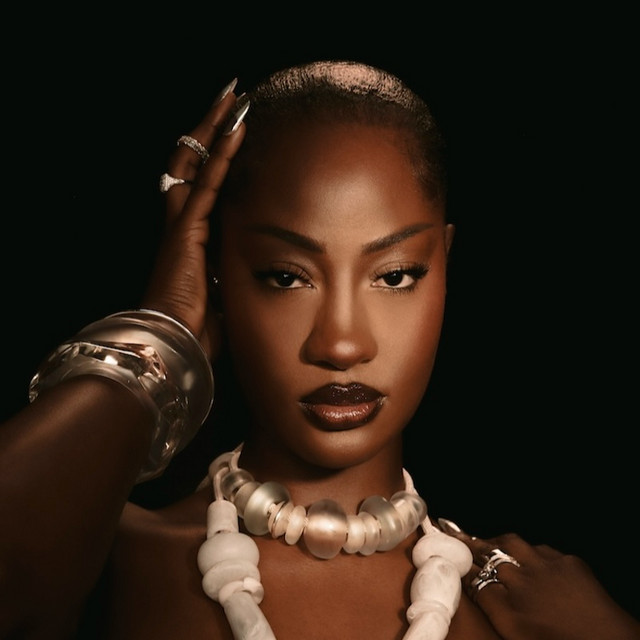
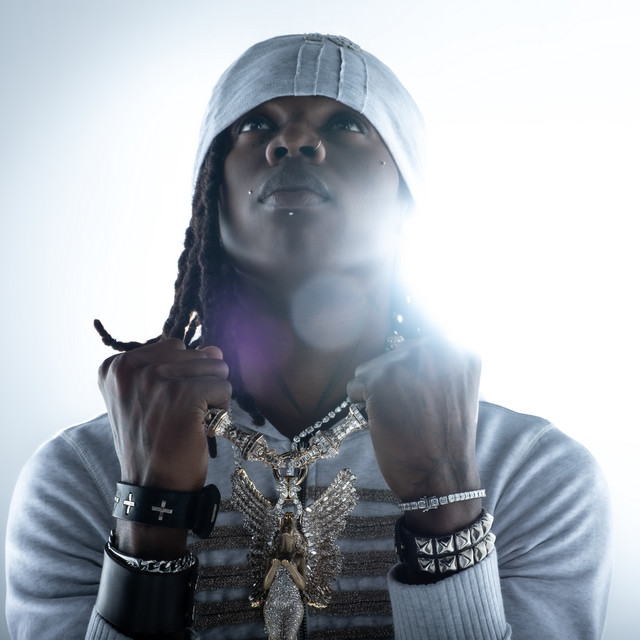
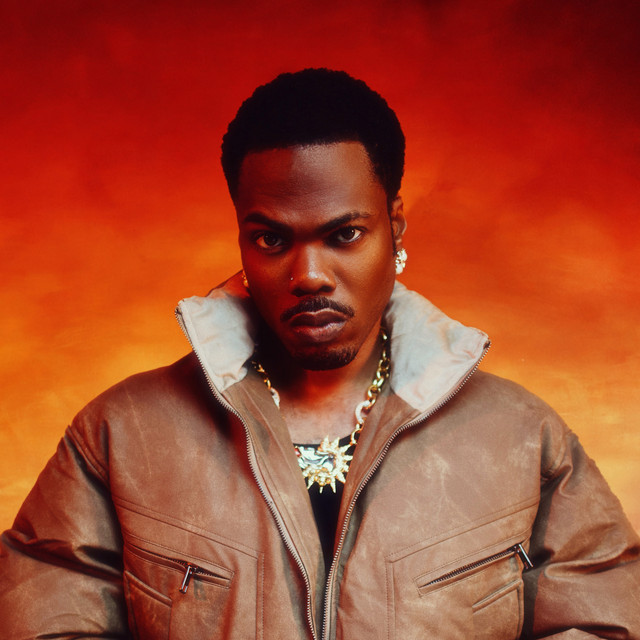
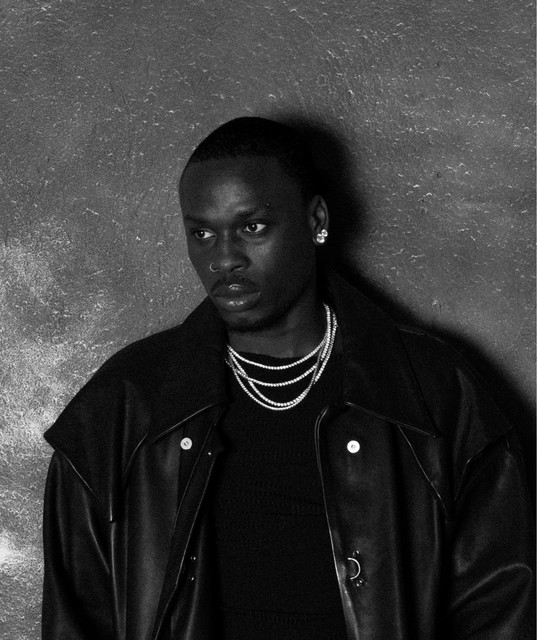
Top Afrobeat Artists
Showing 25 of 3,258 artists
















About Afrobeat
Afrobeat is a monumental, groove-forward music genre born in late 1960s Lagos, Nigeria. It fuses West African percussion traditions with funk, jazz, and highlife to create sprawling, danceable epics that double as social and political statements. Spearheaded by Fela Kuti and his large ensembles Africa ’70 (later Africa 80), Afrobeat matured into long-form, multi-part suites designed for both the dance floor and the stage as a platform for critique. It arrived as a deliberate revolution in sound, thick with rhythm, horn choirs, and patient, hypnotic development.
At its core, Afrobeat is built on a weapon-like rhythm section: drums, bass, and percussion lock into a deep, infectious pulse while a horn section—trumpets, trombones, and saxophones—moves in tight, improvisational lines. Guitars and keyboards weave sharp textures through the groove, and polyphonic call-and-response vocals carry verses, shouted refrains, and Yoruba invocations. Tracks routinely stretch into 10–20 minute epics, allowing soloists to orbit the central chant and then return, like a cyclic conversation. The lyrics typically address social justice, corruption, and resilience in the face of hardship, situating the music as both a dance-floor medicine and a political indictment. The percussive palette often includes congas, bata drums, shekere, and even the talking drum, all contributing to complex, interlocking rhythms that define Afrobeat’s heartbeat.
Fela Kuti is the undisputed architect and principal ambassador of Afrobeat. In the late 1960s and 1970s he forged a distinctly Nigerian sound that merged the energy of Lagos street music with the horn-laden bravura of jazz and the swing of funk. Landmark albums and performances—especially the expansive Africa ’70 era and the ideological punch of Zombie (1976)—made Afrobeat a rallying cry across Africa. Drummer Tony Allen, whose explosive, time-warped groove provided the engine of Afrobeat, is celebrated as a co-creator in spirit. In later decades, Fela’s heirs—Seun Kuti and Femi Kuti—carried the torch around the world, expanding the sonic palette while keeping the music’s conscience intact and the live show a persuasive beacon of political storytelling.
Geographically, Afrobeat began in Nigeria but soon resonated across West Africa and into the global diasporas hungry for rhythm-forward, message-driven music. Ghana and the broader West African scene became natural interlocutors, and in Europe and the Americas the music found devoted audiences within world-music circles, jazz communities, and adventurous club scenes that prize ambitious grooves. The lineage also informed contemporary cross-genre work, where artists blend Afrobeat’s rhythmic architecture with hip-hop, funk, and electronic production—though purists often distinguish the original, extended, ensemble-driven Afrobeat from the shorter, pop-oriented directions that emerged later.
Today, Afrobeat persists as both a historical beacon and a living practice: a soundtrack for celebration and protest, a rigorous study in rhythm and arrangement, and a platform for social commentary. Its influence spans festival stages in Lagos and Accra to international concerts, scholarly work, and stage productions like the Broadway show Fela! and other global tributes. For listeners and players, Afrobeat remains a kinetic invitation to dance, think, and feel history in motion, tracing a powerful lineage from the streets of Lagos to the world.
At its core, Afrobeat is built on a weapon-like rhythm section: drums, bass, and percussion lock into a deep, infectious pulse while a horn section—trumpets, trombones, and saxophones—moves in tight, improvisational lines. Guitars and keyboards weave sharp textures through the groove, and polyphonic call-and-response vocals carry verses, shouted refrains, and Yoruba invocations. Tracks routinely stretch into 10–20 minute epics, allowing soloists to orbit the central chant and then return, like a cyclic conversation. The lyrics typically address social justice, corruption, and resilience in the face of hardship, situating the music as both a dance-floor medicine and a political indictment. The percussive palette often includes congas, bata drums, shekere, and even the talking drum, all contributing to complex, interlocking rhythms that define Afrobeat’s heartbeat.
Fela Kuti is the undisputed architect and principal ambassador of Afrobeat. In the late 1960s and 1970s he forged a distinctly Nigerian sound that merged the energy of Lagos street music with the horn-laden bravura of jazz and the swing of funk. Landmark albums and performances—especially the expansive Africa ’70 era and the ideological punch of Zombie (1976)—made Afrobeat a rallying cry across Africa. Drummer Tony Allen, whose explosive, time-warped groove provided the engine of Afrobeat, is celebrated as a co-creator in spirit. In later decades, Fela’s heirs—Seun Kuti and Femi Kuti—carried the torch around the world, expanding the sonic palette while keeping the music’s conscience intact and the live show a persuasive beacon of political storytelling.
Geographically, Afrobeat began in Nigeria but soon resonated across West Africa and into the global diasporas hungry for rhythm-forward, message-driven music. Ghana and the broader West African scene became natural interlocutors, and in Europe and the Americas the music found devoted audiences within world-music circles, jazz communities, and adventurous club scenes that prize ambitious grooves. The lineage also informed contemporary cross-genre work, where artists blend Afrobeat’s rhythmic architecture with hip-hop, funk, and electronic production—though purists often distinguish the original, extended, ensemble-driven Afrobeat from the shorter, pop-oriented directions that emerged later.
Today, Afrobeat persists as both a historical beacon and a living practice: a soundtrack for celebration and protest, a rigorous study in rhythm and arrangement, and a platform for social commentary. Its influence spans festival stages in Lagos and Accra to international concerts, scholarly work, and stage productions like the Broadway show Fela! and other global tributes. For listeners and players, Afrobeat remains a kinetic invitation to dance, think, and feel history in motion, tracing a powerful lineage from the streets of Lagos to the world.