Genre
afrobeats
Top Afrobeats Artists
Showing 25 of 2,644 artists


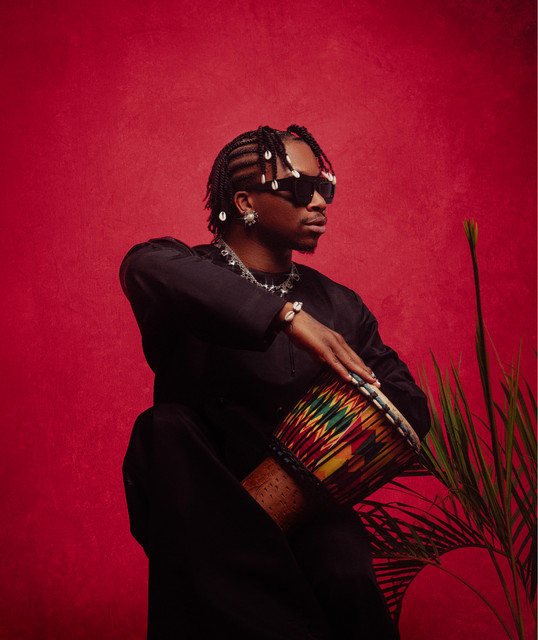
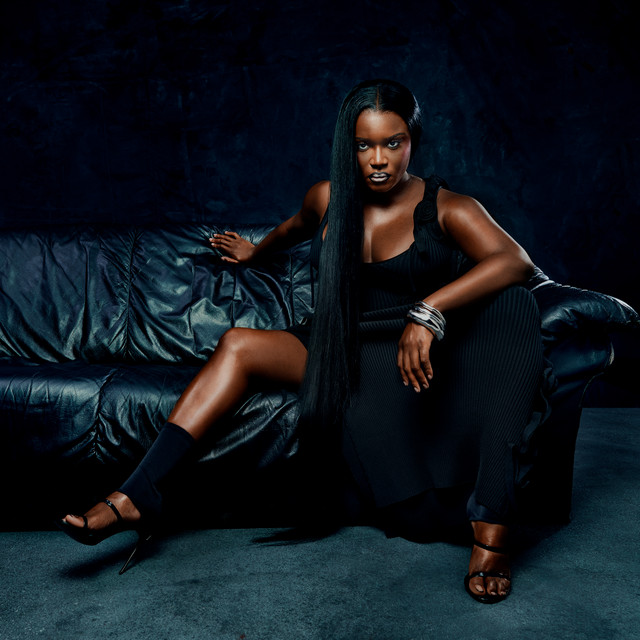
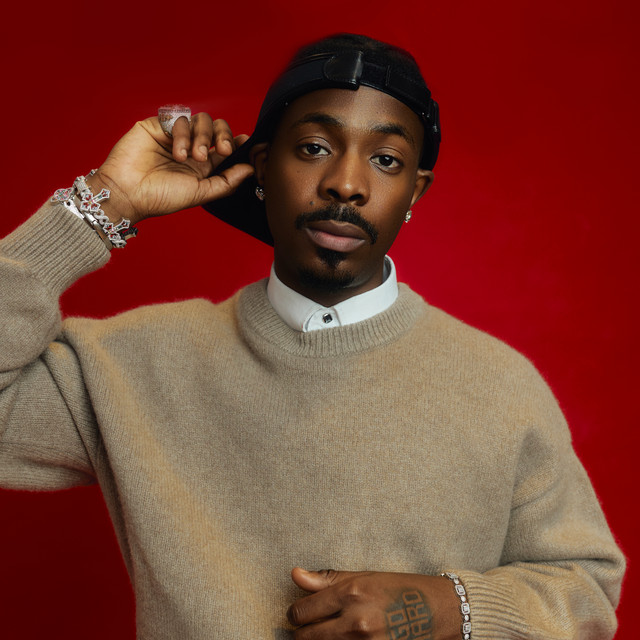
About Afrobeats
Afrobeats is a contemporary West African popular music movement that grew from Nigeria’s vibrant club culture and its global diaspora. It is not the older Afrobeat pioneered by Fela Kuti; Afrobeats denotes a family of pop songs that fuse Yoruba and English lyrics with hip‑hop, dancehall, highlife, and electronic textures. The result is rhythmically buoyant, melodically catchy, and built for both the dance floor and the streaming age.
Origins trace to the early 2000s in Lagos, where producers began blending traditional rhythmic sensibilities with global pop textures. By the 2010s, a generation of artists—D’banj, Don Jazzy, Wizkid, Davido, and Iyanya among them—began turning club‑friendly grooves into international hits. The label Afrobeats grew as an umbrella that helps describe a spectrum of sounds rather than a single recipe, allowing room for pop hooks, Afro‑centric percussion, and electronic shimmer.
The global breakthrough came through cross‑continental collaborations and the rise of streaming platforms. Wizkid’s national breakout with songs like Ojuelegba, and Drake’s 2016 hit One Dance—built on a contagious Afrobeats cadence—pushed the sound into North American radios and European clubs. Davido’s expansive international tours and Burna Boy’s ascent—culminating in the Grammy win for Best Global Music Album in 2021—cemented Afrobeats as a major global language. The scene keeps evolving, absorbing dancehall bounce, Afrohouse, trap, and playful remix culture without losing its danceable core.
Ambassadors of the genre today include Wizkid, Davido, Burna Boy, Tiwa Savage, Mr Eazi, and Yemi Alade. They push Afrobeats into new markets while staying rooted in storytelling that reflects West African life. Behind the scenes, producers such as Sarz, Shizzi, and the new generation of beatmakers have shaped the groove’s signature pulse and texture. The sound is as much about mood as it is about hooks: you hear it in nightclubs, on radio, in festival stages, and across streaming playlists.
Geographically, Lagos remains the heartbeat, but Afrobeats enjoys robust scenes across Ghana, the United Kingdom, the United States, and Canada. Diaspora communities in Europe and the Caribbean have cultivated a thriving festival and radio ecosystem, while collaborations with artists from Jamaica to South Africa have helped the sound travel far beyond its West African origins. In recent years, the genre’s global footprint has grown with fashion, film, and sport aligning with its infectious energy, making Afrobeats not only a sound but a cultural current.
Origins trace to the early 2000s in Lagos, where producers began blending traditional rhythmic sensibilities with global pop textures. By the 2010s, a generation of artists—D’banj, Don Jazzy, Wizkid, Davido, and Iyanya among them—began turning club‑friendly grooves into international hits. The label Afrobeats grew as an umbrella that helps describe a spectrum of sounds rather than a single recipe, allowing room for pop hooks, Afro‑centric percussion, and electronic shimmer.
The global breakthrough came through cross‑continental collaborations and the rise of streaming platforms. Wizkid’s national breakout with songs like Ojuelegba, and Drake’s 2016 hit One Dance—built on a contagious Afrobeats cadence—pushed the sound into North American radios and European clubs. Davido’s expansive international tours and Burna Boy’s ascent—culminating in the Grammy win for Best Global Music Album in 2021—cemented Afrobeats as a major global language. The scene keeps evolving, absorbing dancehall bounce, Afrohouse, trap, and playful remix culture without losing its danceable core.
Ambassadors of the genre today include Wizkid, Davido, Burna Boy, Tiwa Savage, Mr Eazi, and Yemi Alade. They push Afrobeats into new markets while staying rooted in storytelling that reflects West African life. Behind the scenes, producers such as Sarz, Shizzi, and the new generation of beatmakers have shaped the groove’s signature pulse and texture. The sound is as much about mood as it is about hooks: you hear it in nightclubs, on radio, in festival stages, and across streaming playlists.
Geographically, Lagos remains the heartbeat, but Afrobeats enjoys robust scenes across Ghana, the United Kingdom, the United States, and Canada. Diaspora communities in Europe and the Caribbean have cultivated a thriving festival and radio ecosystem, while collaborations with artists from Jamaica to South Africa have helped the sound travel far beyond its West African origins. In recent years, the genre’s global footprint has grown with fashion, film, and sport aligning with its infectious energy, making Afrobeats not only a sound but a cultural current.