Genre
albanian pop
Top Albanian pop Artists
Showing 25 of 141 artists



About Albanian pop
Albanian pop is a dynamic, border-dless strand of contemporary pop music sung in the Albanian language, rooted in the Balkans but thriving on global stages. It blends melodic storytelling with club-ready rhythms, marrying traditional sensibilities with urban and electronic production. The result is a sound that can feel intimate and nostalgic one moment, then buoyant and radio-ready the next. In recent years, Albanian pop has become a bridge between the old and the new, between Tirana’s studios, Pristina’s stages, and diaspora communities across Europe and beyond.
The genre’s birth and development sit in a longer arc of Albanian popular music. In the communist era, pop was filtered through state channels as “muzikë e lehtë,” with limited Western influence. After political liberalization in the 1990s, Albanian pop absorbed a flood of international styles—dance-pop, hip-hop, R&B, and later reggaeton—while keeping Albanian language, melodic contours, and lyric storytelling at its core. The result was a fusion that could carry both intimate ballads and up-tempo dance anthems, often reflecting themes of love, migration, and the diasporic experience.
Today’s Albanian pop is characterized by a strong sense of identity and a knack for cross-border collaboration. Producers and artists frequently blend electronic textures with traditional melodic hooks, creating songs that work on streaming playlists as well as in lively clubs. It’s common to hear glossy synth lines, punchy percussion, and catchy refrains that invite sing-alongs in Albanian and, increasingly, in English. The genre also embraces urban hybrids—pop-rap, dancehall-tinged verses, and tropical-inspired grooves—keeping the sound fresh for younger audiences while preserving its emotional core.
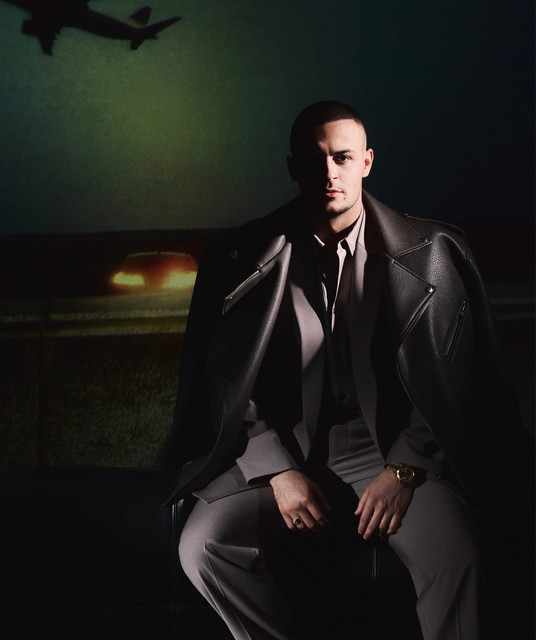
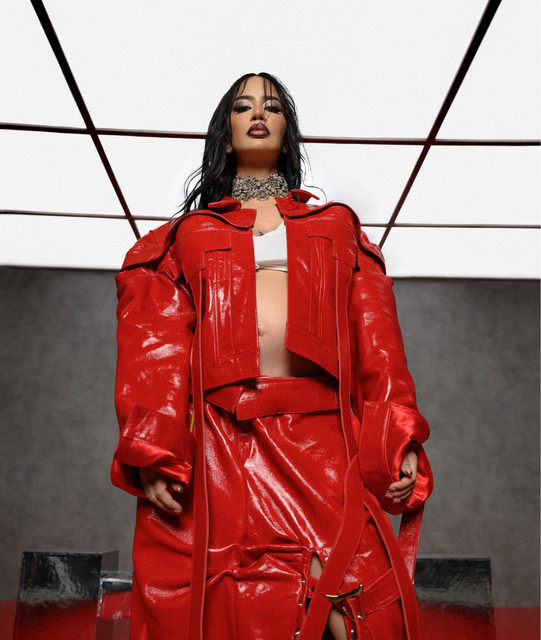
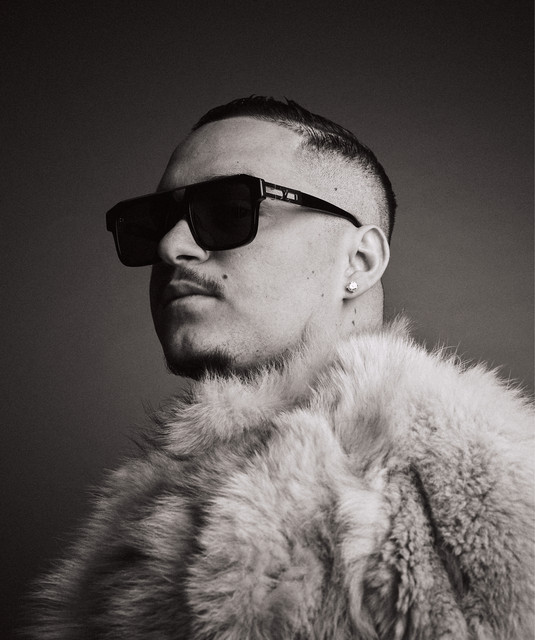
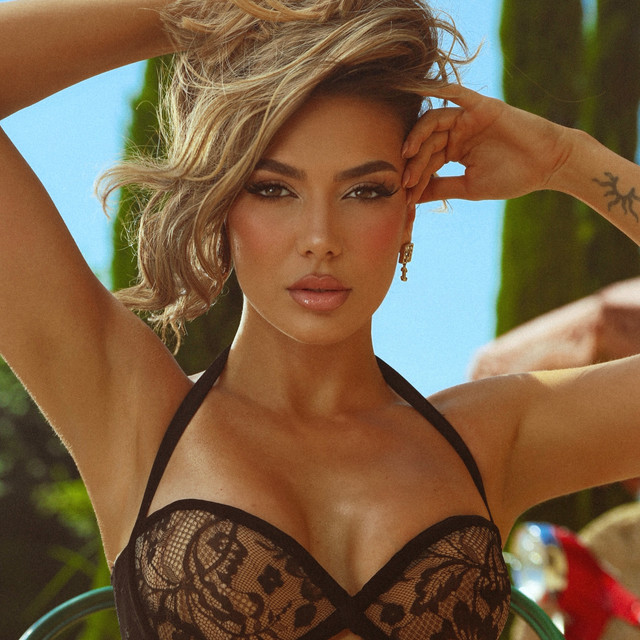
Key artists and ambassadors have helped propel Albanian pop onto the international stage. Era Istrefi, with BonBon and subsequent releases, demonstrated how Albanian-pop sensibilities can translate to global virality. Dua Lipa, though often recording in English, remains a symbolic ambassador for Albanian pop due to her Kosovo-Albanian roots and frequent references to her heritage; she has helped draw attention to the broader scene. Rita Ora, another Kosovo Albanian star, has long served as a cross-genre, cross-border ambassador. Bebe Rexha, born in Brooklyn to Albanian parents, has brought Albanian heritage into mainstream pop and R&B. Within the Albanian-speaking world, names like Elvana Gjata, Era Istrefi, Ledri Vula, Dhurata Dora, Flori Mumajesi, and Ronela Hajati are essential figures who shape the contemporary sound and stage presence of the genre.
Albanian pop is most popular in Albania and Kosovo, where it commands the largest audiences, but its reach extends to neighboring North Macedonia, Montenegro, and the broader Albanian diaspora in Switzerland, Germany, Italy, the United Kingdom, and the United States. Eurovision participation and national selections have also amplified visibility, underscoring the genre’s blend of catchy, polished production and culturally resonant language.
For music enthusiasts, Albanian pop offers a compelling mix of warmth and energy: pristine vocal hooks, cinematic arrangements, and the sense that a modern sound can still feel profoundly rooted in language and place. It’s a living, evolving scene—one that continues to spin new stories into the world’s pop landscape.
The genre’s birth and development sit in a longer arc of Albanian popular music. In the communist era, pop was filtered through state channels as “muzikë e lehtë,” with limited Western influence. After political liberalization in the 1990s, Albanian pop absorbed a flood of international styles—dance-pop, hip-hop, R&B, and later reggaeton—while keeping Albanian language, melodic contours, and lyric storytelling at its core. The result was a fusion that could carry both intimate ballads and up-tempo dance anthems, often reflecting themes of love, migration, and the diasporic experience.
Today’s Albanian pop is characterized by a strong sense of identity and a knack for cross-border collaboration. Producers and artists frequently blend electronic textures with traditional melodic hooks, creating songs that work on streaming playlists as well as in lively clubs. It’s common to hear glossy synth lines, punchy percussion, and catchy refrains that invite sing-alongs in Albanian and, increasingly, in English. The genre also embraces urban hybrids—pop-rap, dancehall-tinged verses, and tropical-inspired grooves—keeping the sound fresh for younger audiences while preserving its emotional core.
Key artists and ambassadors have helped propel Albanian pop onto the international stage. Era Istrefi, with BonBon and subsequent releases, demonstrated how Albanian-pop sensibilities can translate to global virality. Dua Lipa, though often recording in English, remains a symbolic ambassador for Albanian pop due to her Kosovo-Albanian roots and frequent references to her heritage; she has helped draw attention to the broader scene. Rita Ora, another Kosovo Albanian star, has long served as a cross-genre, cross-border ambassador. Bebe Rexha, born in Brooklyn to Albanian parents, has brought Albanian heritage into mainstream pop and R&B. Within the Albanian-speaking world, names like Elvana Gjata, Era Istrefi, Ledri Vula, Dhurata Dora, Flori Mumajesi, and Ronela Hajati are essential figures who shape the contemporary sound and stage presence of the genre.
Albanian pop is most popular in Albania and Kosovo, where it commands the largest audiences, but its reach extends to neighboring North Macedonia, Montenegro, and the broader Albanian diaspora in Switzerland, Germany, Italy, the United Kingdom, and the United States. Eurovision participation and national selections have also amplified visibility, underscoring the genre’s blend of catchy, polished production and culturally resonant language.
For music enthusiasts, Albanian pop offers a compelling mix of warmth and energy: pristine vocal hooks, cinematic arrangements, and the sense that a modern sound can still feel profoundly rooted in language and place. It’s a living, evolving scene—one that continues to spin new stories into the world’s pop landscape.