Genre
american primitive
Top American primitive Artists
Showing 18 of 18 artists




About American primitive
American Primitive is a distinctly American approach to the acoustic guitar that sits at the crossroads of folk, blues, and early avant-garde experiment. It favors spare, meditative textures, open or altered tunings, and a sense of improvisational air—the idea that a single guitar, in patient hands, can conjure landscapes, memory, and myth without leaning on virtuosic showmanship. The sound is often intimate and rough-edged, with percussive right-hand work and drones that breathe between melodies. It’s not about flashy technique; it’s about mood, memory, and a conversation with American roots as if the guitar were a diary entry rather than a concert hall display.
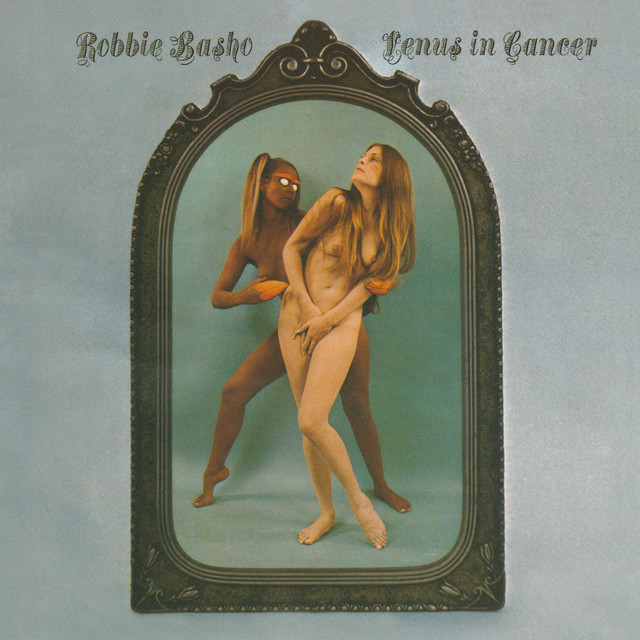
Origin and birth: American Primitive crystallized in the late 1950s and early 1960s around Takoma Records in Takoma Park, Maryland. John Fahey, the figure most closely associated with the movement, fused old-time tunes, country blues, and folk roots with an experimental edge—unusual tunings, flat-picked drive, and moments of stark minimalism. This approach earned the label the nickname “the Takoma School.” Alongside Fahey, Robbie Basho expanded the palette with modal, almost mystic pieces that evoked distant landscapes, while Leo Kottke brought virtuosic 6- and 12-string interplay into a broader audience. Other contributors—Peter Lang, Glenn Jones, Henry Kaiser—helped broaden the idiom, each adding their own texture, from driving melodic lines to drone-heavy experiments. Collectively, they established the American Primitive as a defined current: not a single style, but a shared impulse toward honesty, eco-friendly timbres, and a low-fi grandeur that feels both ancient and newly imagined.
Key artists and ambassadors:
- John Fahey — founder and central voice, the lodestar of the movement.
- Robbie Basho — modal, image-rich pieces that mingle mysticism with folk lineage.
- Leo Kottke — technical brilliance and an accessible, exuberant tone.
- Peter Lang — melodic drive and rhythmic intensity.
- Glenn Jones — textural, exploratory guitar work that deepened the sonic palette.
- Henry Kaiser — electric and acoustic experiments that pushed the vocabulary outward.
Country reach and contemporary life: Originally a U.S.-centered phenomenon, the American Primitive found receptive audiences across Europe (notably the United Kingdom, France, and Germany) and has drawn listeners in Canada, Japan, and parts of Scandinavia. It remains a niche but enduring subculture within guitar communities, valued by players and listeners who prize subtlety, mood, and a lineage that treats the guitar as a vehicle for storytelling and atmosphere rather than sheer virtuosity. After a period of dormancy, the scene experienced a revival in the 1990s and 2000s, with new generations of players absorbing Fahey’s legacy and reinterpreting it for modern ears. Contemporary practitioners—whether explicitly aligned with the old Primitives or simply inspired by its spirit—continue to mine the same territory: the space between notes, the warmth and grit of acoustic tone, and the idea that a seemingly simple tune can unfold into a world of sound.
If you’re exploring the genre, start with Fahey’s early Takoma recordings for the spark, then branch to Basho and Kottke for broader textures. Add Lang, Jones, and Kaiser to hear the range within the current—yet always American—primitive impulse.
Origin and birth: American Primitive crystallized in the late 1950s and early 1960s around Takoma Records in Takoma Park, Maryland. John Fahey, the figure most closely associated with the movement, fused old-time tunes, country blues, and folk roots with an experimental edge—unusual tunings, flat-picked drive, and moments of stark minimalism. This approach earned the label the nickname “the Takoma School.” Alongside Fahey, Robbie Basho expanded the palette with modal, almost mystic pieces that evoked distant landscapes, while Leo Kottke brought virtuosic 6- and 12-string interplay into a broader audience. Other contributors—Peter Lang, Glenn Jones, Henry Kaiser—helped broaden the idiom, each adding their own texture, from driving melodic lines to drone-heavy experiments. Collectively, they established the American Primitive as a defined current: not a single style, but a shared impulse toward honesty, eco-friendly timbres, and a low-fi grandeur that feels both ancient and newly imagined.
Key artists and ambassadors:
- John Fahey — founder and central voice, the lodestar of the movement.
- Robbie Basho — modal, image-rich pieces that mingle mysticism with folk lineage.
- Leo Kottke — technical brilliance and an accessible, exuberant tone.
- Peter Lang — melodic drive and rhythmic intensity.
- Glenn Jones — textural, exploratory guitar work that deepened the sonic palette.
- Henry Kaiser — electric and acoustic experiments that pushed the vocabulary outward.
Country reach and contemporary life: Originally a U.S.-centered phenomenon, the American Primitive found receptive audiences across Europe (notably the United Kingdom, France, and Germany) and has drawn listeners in Canada, Japan, and parts of Scandinavia. It remains a niche but enduring subculture within guitar communities, valued by players and listeners who prize subtlety, mood, and a lineage that treats the guitar as a vehicle for storytelling and atmosphere rather than sheer virtuosity. After a period of dormancy, the scene experienced a revival in the 1990s and 2000s, with new generations of players absorbing Fahey’s legacy and reinterpreting it for modern ears. Contemporary practitioners—whether explicitly aligned with the old Primitives or simply inspired by its spirit—continue to mine the same territory: the space between notes, the warmth and grit of acoustic tone, and the idea that a seemingly simple tune can unfold into a world of sound.
If you’re exploring the genre, start with Fahey’s early Takoma recordings for the spark, then branch to Basho and Kottke for broader textures. Add Lang, Jones, and Kaiser to hear the range within the current—yet always American—primitive impulse.