Genre
aor
Top Aor Artists
Showing 25 of 1,619 artists






About Aor
AOR, or Album-Oriented Rock, is the polished, radio-friendly strand of rock that defined a distinct sensibility from the late 1960s onward. It grew out of U.S. radio culture, where programmers shifted attention from singles to the broader textures of albums. In practice, AOR emphasized carefully crafted songs that could sustain longer, more developed arrangements—often with memorable melodies, lush production, and strong vocal harmonies—while still delivering the energy and guitar-driven drive fans expected from rock. It was as much a listening philosophy as a sound: a preference for album tracks over one-off hits, with an eye toward the cohesiveness and emotional arc of a whole record.
Sonically, AOR sits at the crossroads of hard rock, pop, and stadium-rock grandeur. You hear clean, powerful guitar work, soaring choruses, and keyboard textures that add polish and atmosphere. The production tends toward clarity and sheen, designed to translate well on FM radio and, later, on MTV. Hooks are king, but they sit inside well-constructed songscapes rather than quick, disposable singles. The result is a warmth and melody that can feel epic in scope while remaining accessible on a first listen.
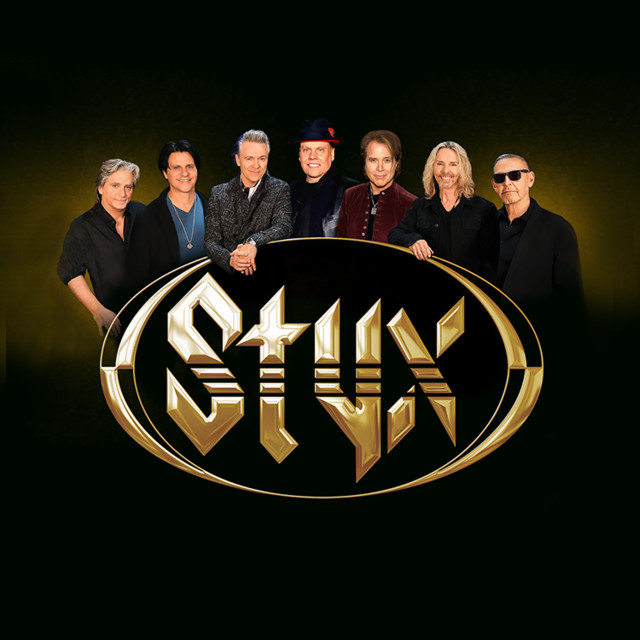
AOR’s classic era stretches from the early 1970s through the mid-1980s, a period in which the format helped propel a wave of now-iconic bands into international prominence. Its ambassadors include Boston, Foreigner, Journey, Styx, and REO Speedwagon, whose hits paired big choruses with radio-ready production. Toto’s musicianship—sophisticated arrangements and deft ensemble playing—became a benchmark for melodic rock sophistication. Survivor, Asia, and Europe added a harder edge or a distinct European sheen to the same template, expanding the palette with songs like Eye of the Tiger, Hold the Line, and The Final Countdown. These acts demonstrated how AOR could blend technical prowess with anthemic songwriting, appealing to loyal fans and casual radio listeners alike.
Geographically, AOR found its strongest footholds in the United States and Canada, where FM radio and the era’s music press cultivated a dedicated audience for melodic rock. Across the Atlantic, the format enjoyed significant traction in the United Kingdom, Germany, the Nordic countries, and other parts of Europe, where arena-sized rock songs translated well to large venues and televised performances. Japan also embraced many AOR acts, contributing to a global ecosystem of fans who valued precision in recording andperformances that could fill stadiums.
Today, AOR remains a touchstone for fans of melodic rock and “soft-to-hard” crossover rock. Its legacy is visible in contemporary melodic rock, modern arena rock, and the enduring appeal of bands that could fuse technical skill with big, singable choruses. For enthusiasts, the genre offers a catalog of quintessential experiences—the long-form album as a journey, the chorus that sticks, and the glossy but sincere craft that defined an era of Rock’s grand, anthemic voice.
Sonically, AOR sits at the crossroads of hard rock, pop, and stadium-rock grandeur. You hear clean, powerful guitar work, soaring choruses, and keyboard textures that add polish and atmosphere. The production tends toward clarity and sheen, designed to translate well on FM radio and, later, on MTV. Hooks are king, but they sit inside well-constructed songscapes rather than quick, disposable singles. The result is a warmth and melody that can feel epic in scope while remaining accessible on a first listen.
AOR’s classic era stretches from the early 1970s through the mid-1980s, a period in which the format helped propel a wave of now-iconic bands into international prominence. Its ambassadors include Boston, Foreigner, Journey, Styx, and REO Speedwagon, whose hits paired big choruses with radio-ready production. Toto’s musicianship—sophisticated arrangements and deft ensemble playing—became a benchmark for melodic rock sophistication. Survivor, Asia, and Europe added a harder edge or a distinct European sheen to the same template, expanding the palette with songs like Eye of the Tiger, Hold the Line, and The Final Countdown. These acts demonstrated how AOR could blend technical prowess with anthemic songwriting, appealing to loyal fans and casual radio listeners alike.
Geographically, AOR found its strongest footholds in the United States and Canada, where FM radio and the era’s music press cultivated a dedicated audience for melodic rock. Across the Atlantic, the format enjoyed significant traction in the United Kingdom, Germany, the Nordic countries, and other parts of Europe, where arena-sized rock songs translated well to large venues and televised performances. Japan also embraced many AOR acts, contributing to a global ecosystem of fans who valued precision in recording andperformances that could fill stadiums.
Today, AOR remains a touchstone for fans of melodic rock and “soft-to-hard” crossover rock. Its legacy is visible in contemporary melodic rock, modern arena rock, and the enduring appeal of bands that could fuse technical skill with big, singable choruses. For enthusiasts, the genre offers a catalog of quintessential experiences—the long-form album as a journey, the chorus that sticks, and the glossy but sincere craft that defined an era of Rock’s grand, anthemic voice.